
The Kermode bear, also known as the Spirit bear, is a rare subspecies of the American black bear found exclusively in British Columbia. With its striking white fur, this bear holds ecological and cultural significance that captivates both locals and visitors alike.
Understanding the Kermode Bear: An Overview
The Kermode bear, often called the Spirit bear, is a fascinating subspecies of the American black bear. Its unique white fur and cultural significance make it a standout in British Columbia’s wildlife.
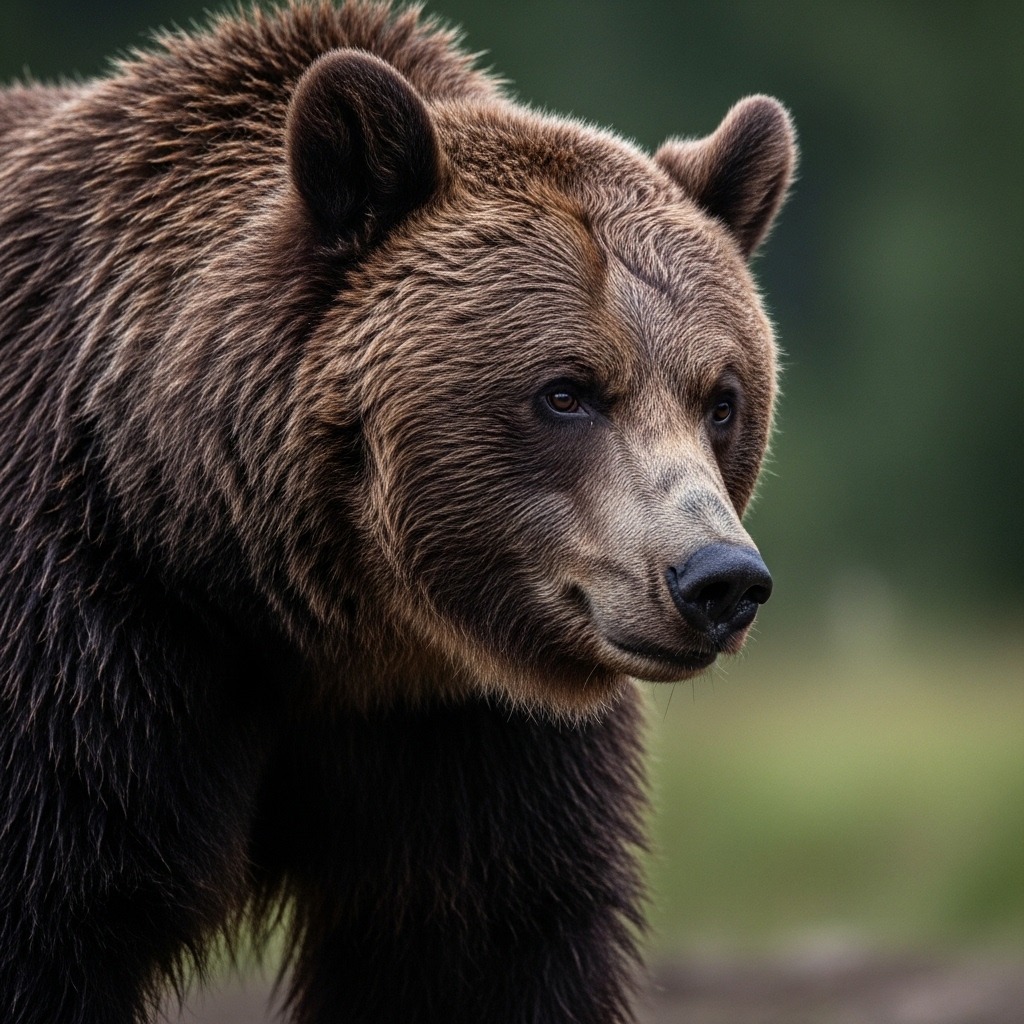
Scientific Classification of the Kermode Bear
The Kermode bear is scientifically known as Ursus americanus kermodei. This classification places it within the broader family of bears, known as Ursidae. Here’s a quick breakdown:
- Family: Ursidae
- Genus: Ursus
- Species: American black bear (Ursus americanus)
- Subspecies: Kermode bear (Ursus americanus kermodei)
This genetic classification highlights its close ties to the more common black bear, but with a unique twist.
Unique Characteristics of Kermode Bears
What makes Kermode bears so special? Their striking white or cream-colored fur is due to a recessive gene. Only about 1 in 10 black bears carry this gene, making the Kermode bear a rare gem in the wild. Here are some key features:
- Fur Color: White or pale-blond, not albino.
- Genetic Makeup: Carries pigmentation, unlike true albinos.
- Size: Similar to black bears, typically weighing between 130 to 400 pounds.
These bears don’t just look different; they play a crucial role in their ecosystem. Their unique coloring has led to a rich cultural significance among Indigenous peoples, who regard them as symbols of purity and conservation.
The genetic factors behind their coloration not only make them visually distinct but also contribute to ongoing discussions about wildlife conservation and biodiversity. Understanding these traits helps us appreciate the Kermode bear’s place in nature and why protecting them is essential.
Table of Contents
Habitat and Distribution of the Kermode Bear
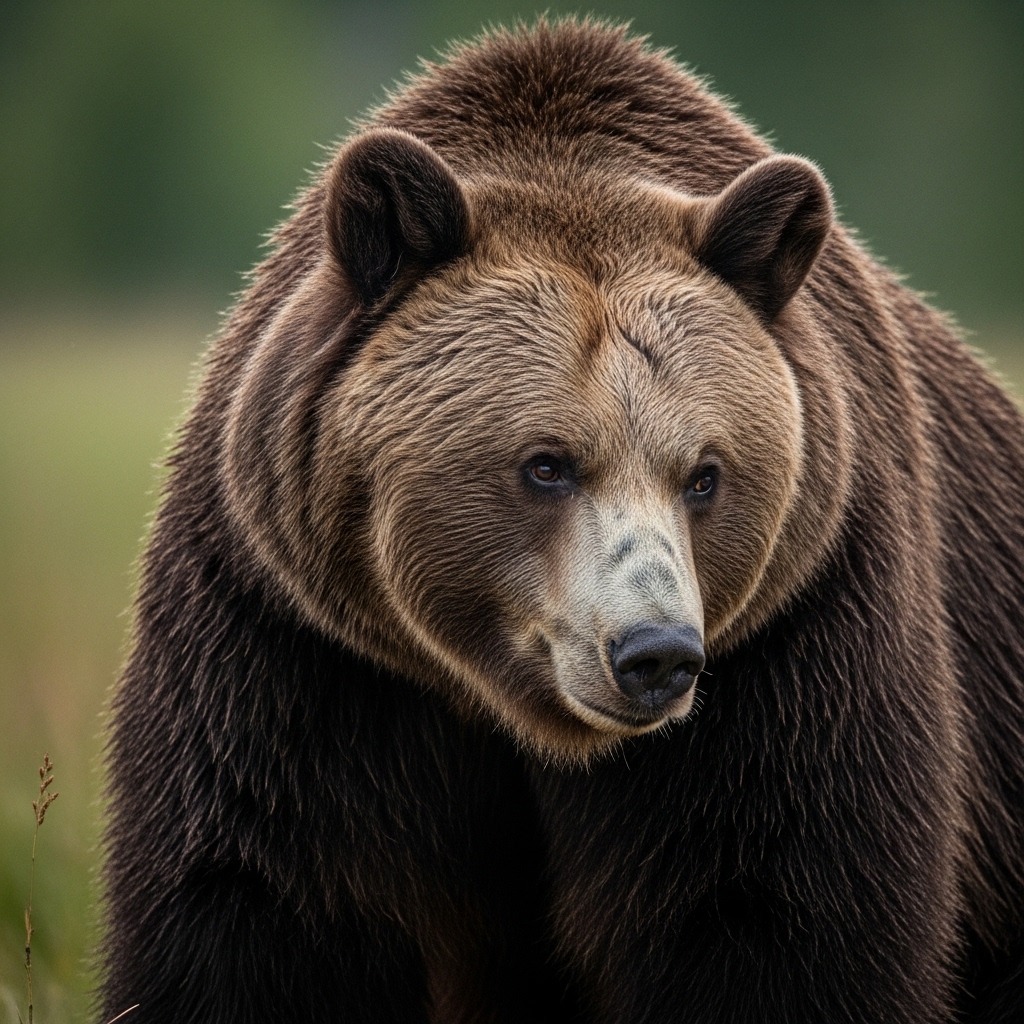
The Kermode bear, often referred to as the spirit bear, thrives in the lush landscapes of British Columbia. This rare bear prefers the dense coastal rainforests, where it finds ample food and shelter.
Coastal Rainforest Ecosystem
The Kermode bear’s habitat is primarily located in the Great Bear Rainforest. This area is a vibrant ecosystem filled with towering trees, rivers, and diverse wildlife. Here are some key features of this coastal rainforest:
- Climate: Mild and rainy, perfect for the rich vegetation.
- Flora: Home to ancient cedar, spruce, and hemlock trees.
- Fauna: Supports a variety of species, including salmon, which is a crucial part of the Kermode bear’s diet.
These rainforests create an ideal environment for Kermode bears to flourish. They rely on this ecosystem not just for food but also for safe denning sites.
Key Locations for Kermode Bear Sightings
If you’re hoping to catch a glimpse of these magnificent creatures, focus on these prime locations:
- Great Bear Rainforest: The largest coastal rainforest in North America, where many spirit bears roam.
- Gribbell Island: Known to host a significant portion of the Kermode population, about 30-50% of these bears can be seen here.
- Koeye River: A popular spot for wildlife viewing, especially during salmon runs.
When visiting these areas, be respectful of their habitat. Stay on marked trails and maintain a safe distance to ensure a positive experience for both you and the bears.
To better understand Kermode bear habitats, visual maps can help highlight these vital regions and their ecological significance.
Diet and Feeding Habits of Kermode Bears
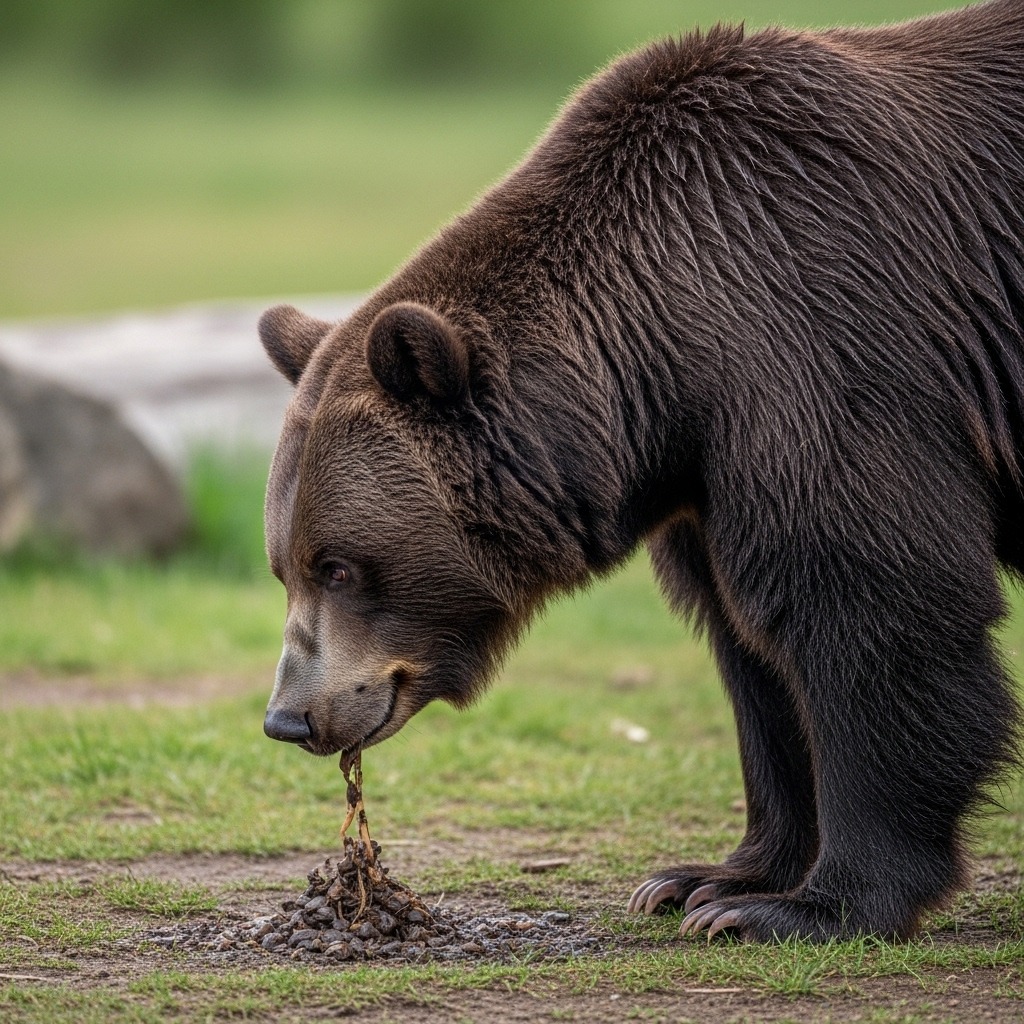
Kermode bears, or spirit bears, have a varied and fascinating diet. Their eating habits change with the seasons and are vital for their survival in British Columbia’s lush environment.
Seasonal Diet Changes
Kermode bears are omnivores. This means they munch on both plants and animals throughout the year. Their diet adjusts based on what’s available in each season.
- Spring: They feast on roots, berries, and fresh vegetation. This is a time of renewal, and the bears take advantage of the new growth.
- Summer: Insects and small mammals become more prominent in their diet. They also continue to eat berries, which are abundant during this time.
- Autumn: Salmon becomes a primary food source as they prepare for hibernation. The bears are known to catch salmon efficiently, especially the white Kermode bears, thanks to their pale fur which makes them less detectable underwater.
This seasonal shift in diet is crucial for Kermode bears. It helps them build up the fat reserves they need for winter hibernation.
Nutritional Role in the Ecosystem
Kermode bears play an essential role in their ecosystem. By consuming salmon and other prey, they help cycle nutrients back into the environment. When they leave behind fish remains, these decomposing materials enrich the soil and support plant growth.
Additionally, their foraging activities help disperse seeds. As they eat fruits and berries, they spread seeds through their droppings, aiding forest regeneration. This interaction highlights the Kermode bear’s place in the food web and its contribution to a balanced ecosystem.
In summary, the Kermode bear’s diet is more than just a personal preference; it’s a key element in the health of the Great Bear Rainforest. Their feeding habits not only sustain them but also benefit the broader environment.
Cultural Significance of the Kermode Bear
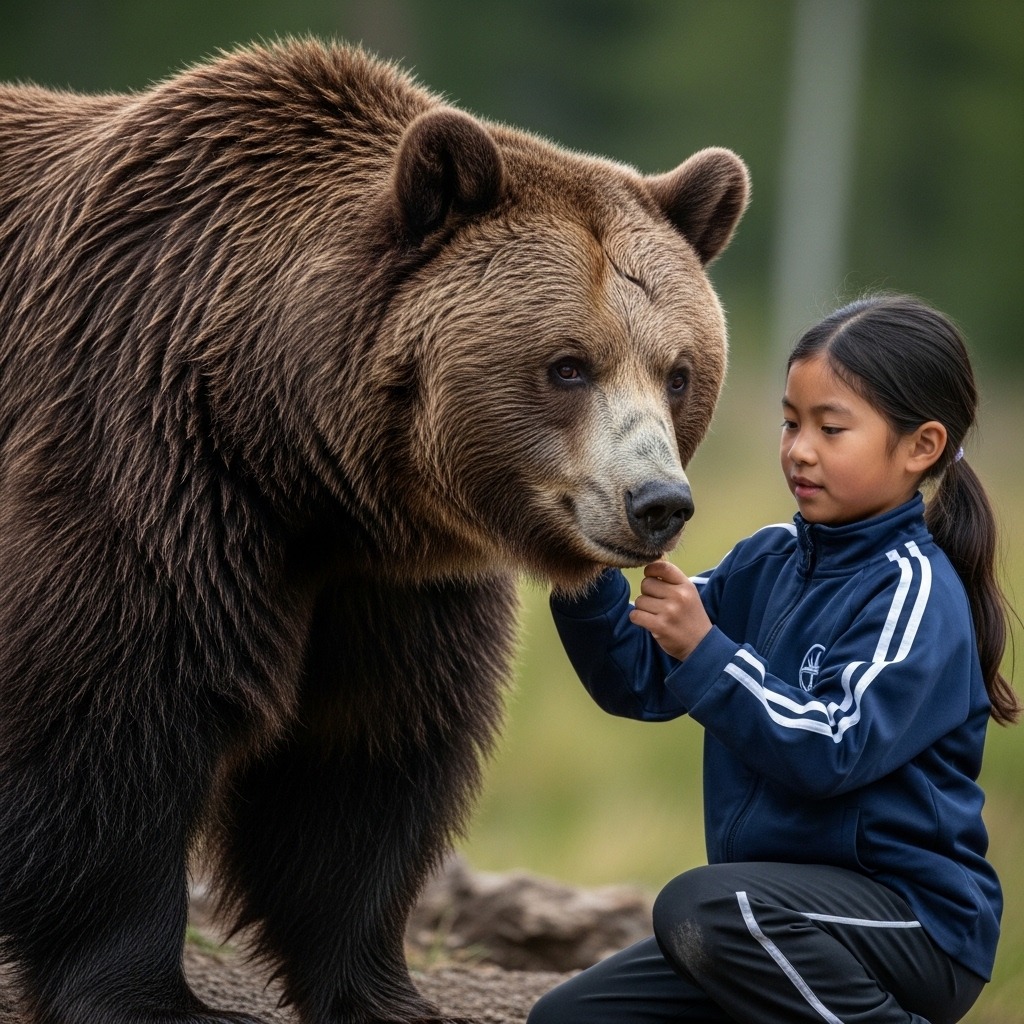
The Kermode bear, or Spirit Bear, holds a special place in the hearts and stories of Indigenous peoples in British Columbia. Its unique appearance and rarity make it a powerful symbol in their cultures.
Symbolism in Indigenous Lore
For many Indigenous communities, the Kermode bear represents more than just a rare animal. It embodies spirituality and nature’s balance.
- Cultural Stories: The Gitga’at and Kitasoo tribes view it as a messenger from the Great Spirit. They believe it was created to remind people of the importance of peace and respect for nature.
- Folklore: Stories of the Spirit Bear are woven into their traditions, highlighting its role in teaching values and fostering connections to the land.
These narratives emphasize the bear’s significance as a protector of the environment. Elders often share tales that describe encounters with the Spirit Bear, reinforcing its mystical nature.
Contemporary Cultural Perspectives
Today, the Kermode bear remains vital not just in folklore but in the fight for conservation.
- Conservation Efforts: Indigenous groups advocate for the protection of the Spirit Bear’s habitat. They engage in initiatives to preserve the Great Bear Rainforest, showcasing their commitment to environmental stewardship.
- Ecotourism: The Spirit Bear Lodge symbolizes a modern intersection of culture and conservation. Visitors can learn about Kermode bears and the Indigenous cultures that cherish them. This fosters appreciation and understanding of their cultural significance.
Personal stories from Indigenous peoples reveal deep emotional connections to the Kermode bear. For instance, many share how their ancestors respected the Spirit Bear, often believing that seeing one brings good fortune. This connection fosters a sense of responsibility to protect these magnificent creatures for future generations.
Conservation Status and Threats to Kermode Bears
Kermode bears, or spirit bears, are not just beautiful; they’re also rare. Their population is at a critical juncture, facing significant challenges that could threaten their existence.
Current Population Estimates
The estimates for the Kermode bear population vary widely. Current numbers range from about 400 to potentially 1,200 individuals. However, many experts believe the real number might be closer to 250. This is concerning, as interbreeding with other black bear subspecies poses a risk to the Kermode’s genetic integrity.
Key Threats and Conservation Efforts
Kermode bears face several threats:
- Habitat Loss: Deforestation and development in British Columbia are shrinking their home.
- Climate Change: Altered ecosystems affect food sources and breeding patterns.
- Interbreeding: As Kermode bears mate with other black bear types, their unique traits may disappear.
Despite these challenges, conservation efforts are underway:
- Protected Areas: Some habitats are designated for conservation, helping shield bears from development.
- Community Involvement: Local Indigenous groups are vital to conservation strategies. They promote eco-friendly practices and educate others about the bears’ significance.
- Research Initiatives: Ongoing studies aim to better understand Kermode bear behavior and ecology. This research informs effective conservation tactics.
One successful initiative is the Spirit Bear Lodge program, which fosters ecotourism. Visitors learn about Kermode bears while supporting local conservation efforts. This model shows how combining cultural respect with environmental action can lead to positive outcomes for these rare bears.
How to Observe Kermode Bears in the Wild
Watching Kermode bears in their natural habitat is a thrilling experience. These rare spirit bears are a sight to behold. Here’s how you can increase your chances of seeing them while being respectful to their environment.
Best Times for Sightings
Timing is everything when it comes to spotting Kermode bears. Here are the best times to plan your trip:
- Late Spring to Early Summer: This is when bears emerge from hibernation. They are hungry and active, making it easier to spot them.
- Late Summer to Early Fall: Bears are foraging for berries and preparing for winter. They are often seen near rivers and berry patches.
Responsible Wildlife Viewing Practices
When observing Kermode bears, it’s crucial to follow these guidelines to ensure their safety and yours:
- Keep Your Distance: Always maintain a safe distance of at least 100 yards. This minimizes stress for the bears and keeps you safe.
- Be Quiet: Loud noises can scare bears away or provoke them. Keep chatter to a minimum.
- Use Binoculars: Bring binoculars or a zoom lens to observe bears without getting too close.
- Follow Local Guidelines: Adhere to any local regulations regarding wildlife viewing. These rules are in place to protect both you and the bears.
- Leave No Trace: Ensure that your visit leaves no impact on the environment. Stay on marked trails and pack out what you bring in.
Responsible Viewing Checklist
Here’s a quick checklist to ensure you’re being a responsible wildlife observer:
- [ ] Research the best viewing locations.
- [ ] Plan your trip during peak viewing times.
- [ ] Bring binoculars or a camera with a zoom lens.
- [ ] Respect wildlife regulations and guidelines.
- [ ] Maintain a safe distance from bears.
- [ ] Keep noise levels low.
- [ ] Always practice Leave No Trace principles.
By following these tips, you can enjoy the majesty of Kermode bears while contributing to their conservation. Happy bear watching!
Comparing Kermode Bears to Other Bear Species
Kermode bears are fascinating creatures, but how do they stack up against other bear species? Let’s dive into the differences and similarities between Kermode bears, black bears, and polar bears.
Kermode Bear vs. Black Bear
Kermode bears are actually a subspecies of black bears. Here’s a quick comparison:
| Feature | Kermode Bear | Black Bear |
|---|---|---|
| Fur Color | White or cream (10% of population) | Typically black, but can be brown, cinnamon, or blond |
| Size | Males: 440-507 lbs; Females: 242-397 lbs | Males: 130-660 lbs; Females: 90-300 lbs |
| Habitat | Coastal British Columbia | Forests across North America |
| Genetic Mutation | White fur due to a recessive gene | No specific gene for color variation |
| Cultural Significance | High among Indigenous peoples | Varied significance based on region |
Kermode bears are unique due to their striking fur color. While most black bears are, well, black, Kermodes have that special twist thanks to genetics.
Kermode Bear vs. Polar Bear
Polar bears are quite different from Kermodes, but let’s see how they compare:
| Feature | Kermode Bear | Polar Bear |
|---|---|---|
| Fur Color | White or cream | White |
| Size | Males: 440-507 lbs; Females: 242-397 lbs | Males: 900-1,600 lbs; Females: 330-650 lbs |
| Habitat | Coastal British Columbia | Arctic regions |
| Diet | Omnivorous (berries, fish) | Carnivorous (mainly seals) |
| Adaptations | Adapted for forest life | Adapted for icy environments |
While Kermode bears can be creamy white, they primarily live in forests and eat a varied diet. In contrast, polar bears are massive and thrive in freezing climates, mostly hunting seals.
Key Takeaways
- Kermode bears are a rare beauty among black bears, showcasing a unique white fur that sets them apart.
- Black bears are more common and have a variety of colors, but Kermodes are special due to their genetic mutation.
- Polar bears, while also white, are a completely different species with a focus on a carnivorous diet and polar habitats.
These comparisons highlight the diversity within the bear family and underscore the Kermode bear’s unique charm!
Frequently Asked Questions
These quick answers cover the most common questions about this topic, including key details, practical tips, and common concerns.
How many Kermode bears are left?
Estimates suggest there are around 250 to 1,200 Kermode bears remaining in the wild. The population is considered vulnerable due to habitat loss and genetic interbreeding with other black bears. Conservation efforts aim to protect their numbers and genetic integrity.
What smell do bears hate?
Bears generally dislike strong, pungent smells such as ammonia, vinegar, or human scent. Using these scents can help deter bears if you encounter them in the wild. However, it’s best to avoid attracting bears altogether by properly storing food and disposing of waste.
What does it mean to see a Kermode bear?
Seeing a Kermode bear is often considered a special, almost spiritual experience. Indigenous cultures see it as a symbol of purity and protection. For many wildlife enthusiasts, spotting a spirit bear signifies a rare connection with nature and conservation success.
What makes a Kermode bear special?
Kermode bears are unique because of their rare white or cream-colored fur, caused by a recessive gene. They are also culturally significant to Indigenous peoples and play a vital role in the ecosystem of the Great Bear Rainforest. Their rarity makes them a symbol of conservation.
What threats do Kermode bears face?
Major threats include habitat destruction from logging and development, climate change affecting food sources, and genetic dilution from interbreeding with other black bears. These factors threaten their population and genetic uniqueness.
How can I see a Kermode bear in the wild?
The best time to see a Kermode bear is from late spring to early fall, especially during salmon runs. Visit protected areas like the Great Bear Rainforest or Gribbell Island, and always follow responsible wildlife viewing practices to ensure both your safety and theirs.
What conservation efforts are in place for Kermode bears?
Conservation initiatives include protecting their habitat through reserves, involving Indigenous communities in stewardship, and promoting eco-tourism. Programs like Spirit Bear Lodge support local conservation and educate visitors about their importance.
What do Kermode bears eat?
Their diet varies seasonally. They eat berries, roots, insects, and small mammals in spring and summer. During salmon runs in autumn, they rely heavily on catching salmon to build fat reserves for winter hibernation.
Why are Kermode bears considered sacred?
Many Indigenous cultures see the Kermode bear as a sacred messenger or spirit animal. They believe the bear embodies purity, balance, and a spiritual connection to nature, making it a revered symbol in their traditions and stories.
What is the significance of the Kermode bear in Indigenous culture?
The bear is a cultural icon representing respect, protection, and spiritual guidance. Indigenous stories often depict the Spirit Bear as a guardian and a reminder to live in harmony with nature, emphasizing its sacred status and cultural importance.