
The Rubber Boa (Charina bottae) is a non-venomous snake known for its docile temperament and secretive behavior. Found primarily in North America, this unique snake captivates enthusiasts with its rubber-like skin and calm nature, making it a fascinating subject for both wildlife observers and pet owners.
Understanding the Rubber Boa’s Unique Physical Characteristics
The Rubber Boa is a remarkable snake with distinct physical traits. Its unique features help it thrive in various environments across North America.
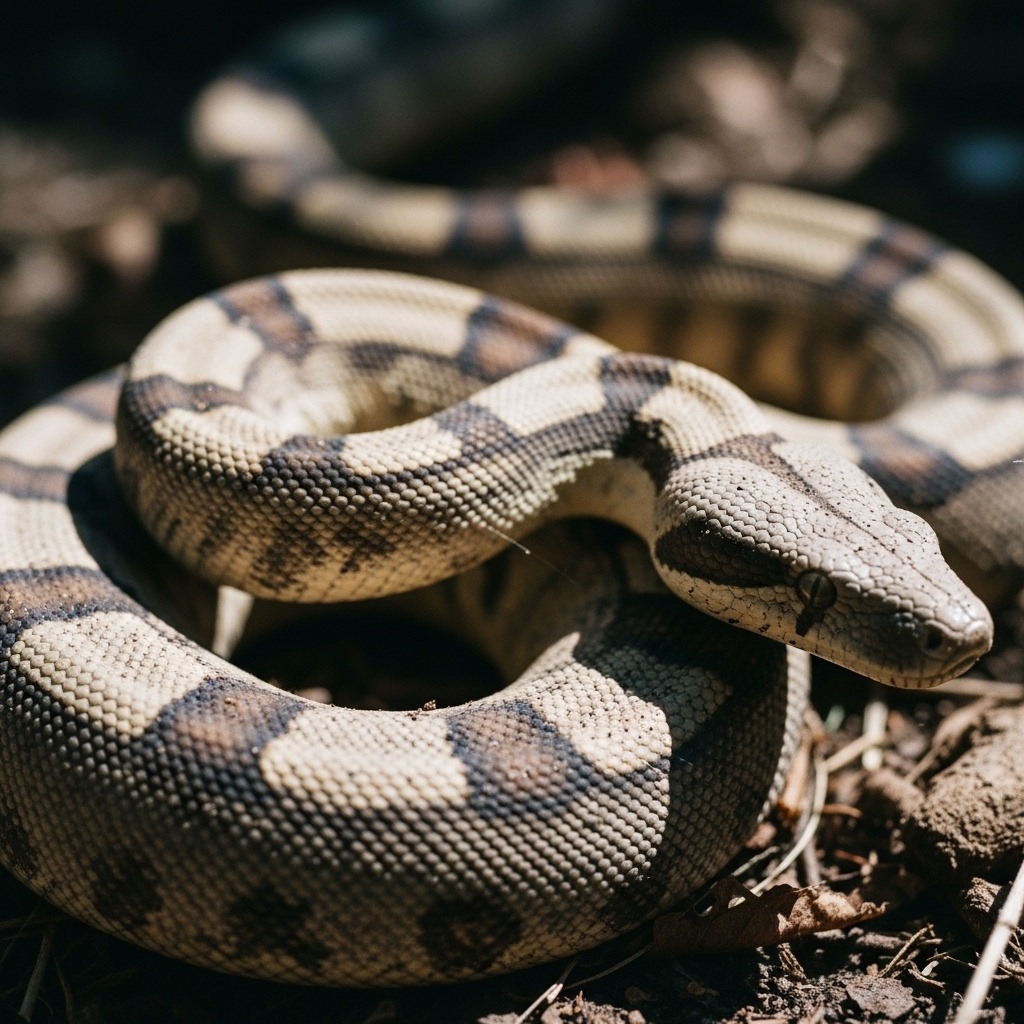
Physical Appearance and Size
Rubber Boas are on the smaller side, typically measuring between 18 and 24 inches long. However, some can grow up to 33 inches. This compact size makes them adept at navigating through their habitats.
Key Size Facts:
- Length: Usually 18-24 inches; max up to 33 inches.
- Weight: Generally lightweight, aiding in their stealthy movements.
Skin Texture and Coloration
One of the most striking features of the Rubber Boa is its smooth, shiny skin. It feels soft and rubbery, giving the snake its name. The coloration can vary, typically ranging from tan to dark brown, often with a lighter belly. Some may even flaunt shades of olive-green, yellow, or orange.
Color Variations:
- Common Colors: Tan, dark brown
- Less Common: Olive-green, yellow, orange
- Newborns: Pink and slightly transparent, darkening as they age
Unique Features for Identification
Rubber Boas have a few standout characteristics that make them easy to identify. Their small, oval-shaped heads are not wider than their bodies, and they possess short, blunt tails that resemble their heads. This body shape helps them blend into their surroundings, enhancing their secretive behavior.
Table of Contents
Identification Tips:
- Body Shape: Small head, no wider than the body
- Tail Shape: Short and blunt, resembling the head
- Pupil Shape: Vertically elliptical, giving them a unique look
These distinctive physical traits not only define the Rubber Boa but also play a crucial role in its survival. Their rubbery skin aids in camouflage, while their size and shape allow them to hide effectively from predators.
Natural Habitat and Distribution of the Rubber Boa
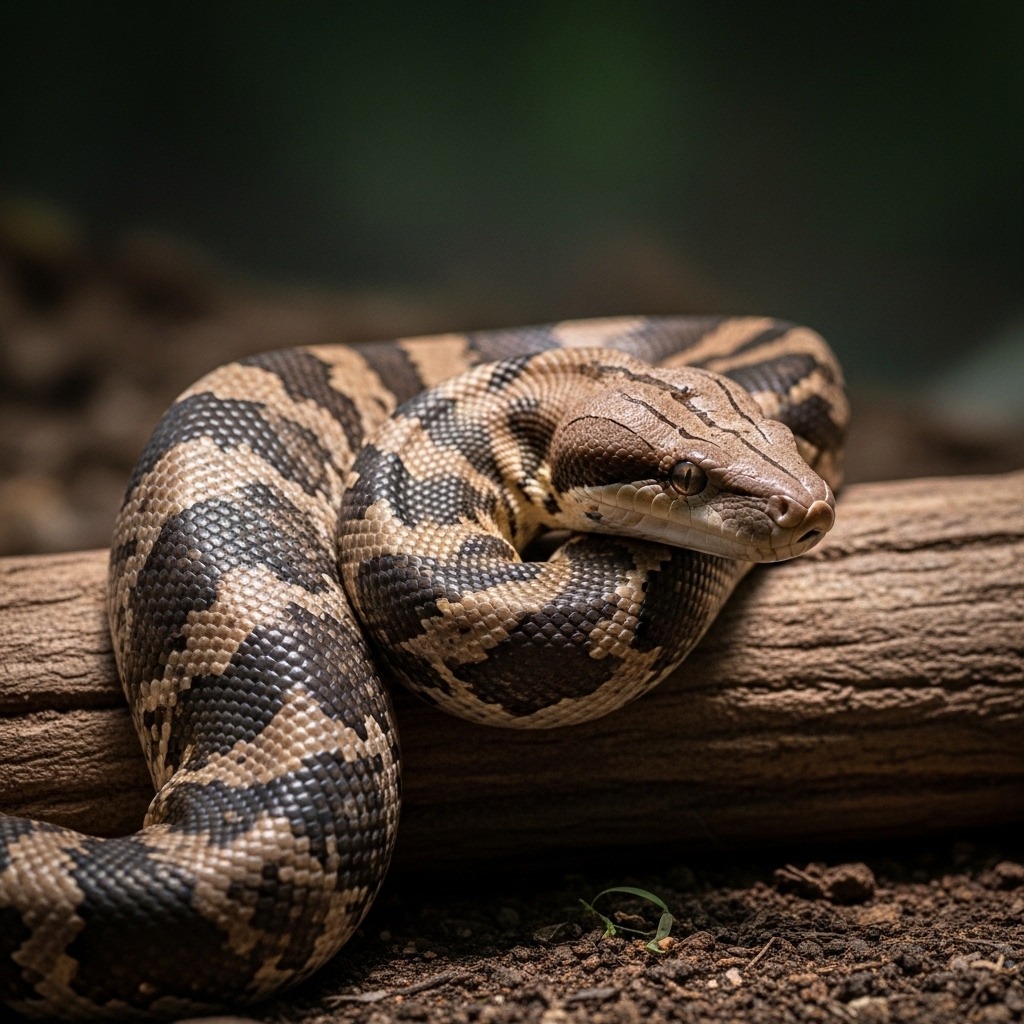
Rubber Boas are fascinating creatures, and their habitats play a big role in their secretive behavior. They thrive in various environments across North America, which influences their daily lives and interactions.
Geographic Range
Rubber Boas are primarily found in western North America. Their range stretches from southern British Columbia down to California and eastward into Idaho and Nevada. This broad distribution allows them to adapt to different climates.
- Regions: Western U.S. and Canada
- Altitude: They can live at elevations from sea level up to 10,000 feet.
Preferred Habitats
These snakes are most commonly found in environments that offer plenty of cover. They prefer:
- Forests: Both deciduous and coniferous forests are ideal.
- Grasslands: They can also be spotted in open meadows.
- Chaparral: This dense vegetation provides them shelter.
- Alpine Areas: Surprisingly, Rubber Boas can thrive in high, cooler elevations.
They often seek refuge under rocks, logs, and leaf litter. This not only keeps them hidden but also helps maintain their body temperature and moisture levels.
Environmental Adaptations
Rubber Boas have adapted well to their habitats. They are not as tolerant of heat as some other snakes. Instead, they prefer cooler, damp environments. Here’s how they manage:
- Secretive Behavior: They are primarily nocturnal and crepuscular, being active during the cooler hours of dawn and dusk. This behavior helps them avoid predators and extreme temperatures.
- Hibernation: In colder climates, Rubber Boas hibernate during winter months. They find underground dens to stay warm and safe.
- Home Range: Many Rubber Boas maintain a small home range. Herpetologists have noted that individuals are often found in the same area year after year, showing their strong attachment to specific habitats.
Understanding where Rubber Boas live and how they adapt can help us appreciate their unique lifestyle. Their secretive nature is not just a defense mechanism; it’s a key part of their survival strategy in diverse environments.
Behavior and Temperament: The Secretive Nature of Rubber Boas
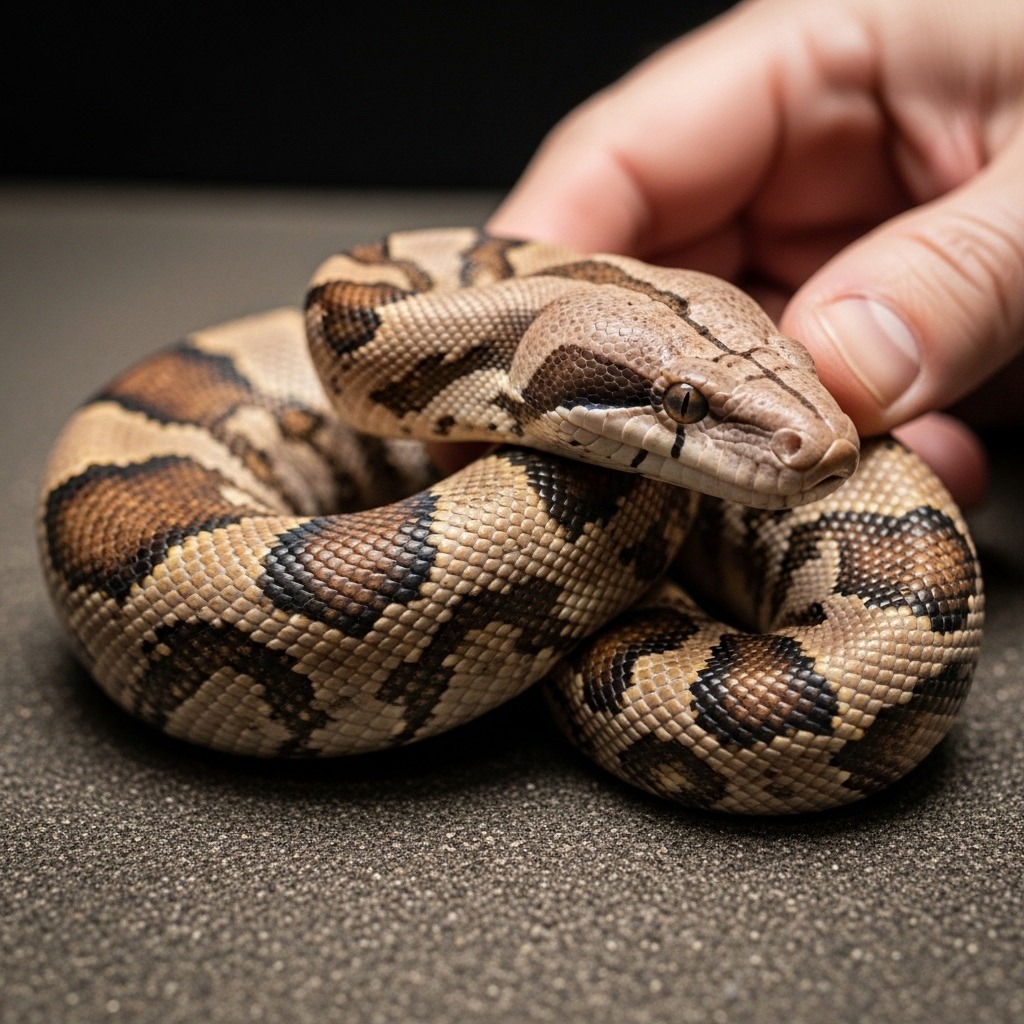
Rubber Boas are known for their calm demeanor and shy habits. Their docility makes them a favorite among snake enthusiasts and a great choice for first-time keepers.
Docility and Non-Aggression
Rubber Boas are one of the most gentle snake species. They rarely bite and prefer to retreat when threatened. Instead of aggression, they might release a musky odor to deter predators. This non-threatening behavior makes them safe companions for kids and pets alike.
Some herpetologists share anecdotes about how Rubber Boas respond to human interaction. For instance, they often remain still when approached, allowing curious observers to take a closer look without fear.
Nocturnal and Crepuscular Behavior
These snakes are primarily nocturnal, meaning they’re most active at night. They may also be crepuscular, coming alive during dawn and dusk. This behavior helps them avoid daytime predators and extreme temperatures.
Rubber Boas often hide under rocks, logs, or leaf litter, making them hard to spot. This secretive lifestyle contributes to their low visibility in the wild.
Defensive Mechanisms
When faced with danger, Rubber Boas employ interesting defensive strategies. They often curl into a ball, hiding their head under their body. This mimicry can confuse predators, as their tail resembles their head.
Their ability to remain hidden is their best defense. Instead of fleeing, they rely on their camouflage and stillness to avoid detection.
In summary, Rubber Boas are gentle creatures with unique behaviors that help them survive in their environments. Their secretive nature and docile personality make them fascinating to observe, both in the wild and in captivity.
Diet and Feeding Habits of the Rubber Boa
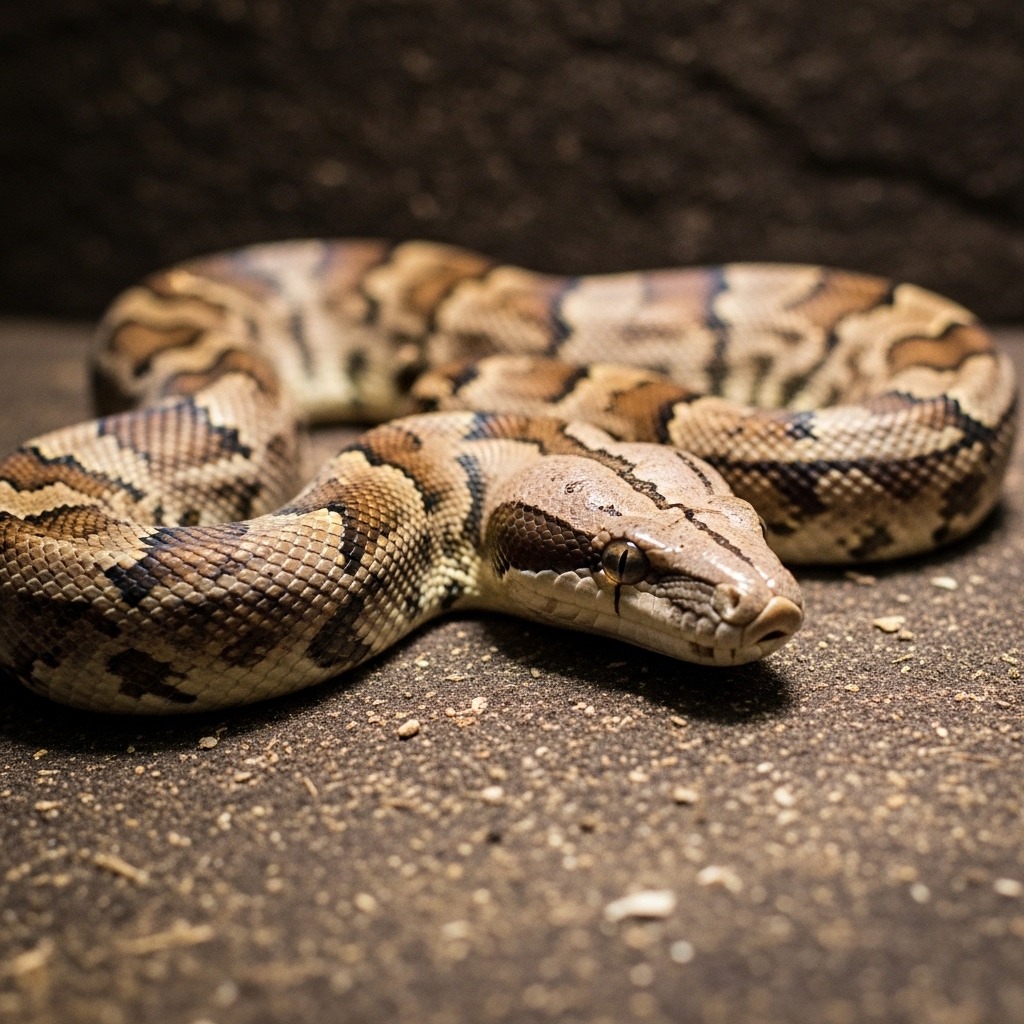
Rubber Boas have a unique diet that reflects their docile nature and secretive behavior. These snakes primarily feast on small mammals, lizards, and even the occasional bird egg. Their eating habits are closely tied to their environment and the availability of prey.
Primary Diet
Rubber Boas are carnivorous. Here’s what they typically eat:
- Small mammals (like mice and voles)
- Lizards
- Amphibians
- Occasionally, bird eggs
This varied diet allows them to adapt to different habitats. Depending on their location, they might focus more on one type of prey over another.
Hunting Techniques
These snakes are ambush predators. They often lie in wait, blending into their surroundings, which is crucial for their hunting success. Here’s a scenario to illustrate:
Imagine a Rubber Boa nestled under a pile of leaves. It senses movement nearby—perhaps a young mouse scurrying through the underbrush. With patience, the Rubber Boa remains still, using its secretive nature to stay hidden. When the mouse comes close enough, the boa strikes quickly, wrapping its strong body around the prey to constrict it. This stealthy technique allows the Rubber Boa to hunt effectively without drawing attention.
Impact of Diet on Behavior
The Rubber Boa’s diet influences its behavior in several ways:
- Feeding Frequency: They eat less frequently than other snakes due to a slower metabolism. This means they can go days, or even weeks, between meals.
- Behavioral Adaptations: Their secretive nature helps them avoid competition for food. By staying hidden and not being overly active, they increase their chances of encountering prey.
Rubber Boas thrive in diverse habitats, from forests to grasslands, which affects the types of prey available to them. This adaptability in diet plays a significant role in their overall survival and behavior in the wild.
Reproductive Behavior and Lifecycle of Rubber Boas
Rubber Boas have a fascinating way of reproducing that sets them apart from many other snakes. Their unique lifecycle showcases the challenges their young face and how the parents contribute to their survival.
Breeding and Gestation Period
Rubber Boas are ovoviviparous, which means they give birth to live young instead of laying eggs. Mating typically occurs in the spring after their winter hibernation. After mating, females carry the embryos for about four to five months. During this time, the mother provides a stable environment for the developing babies within her body.
Birth and Growth of Offspring
When the time comes to give birth, a female Rubber Boa can have anywhere from 2 to 14 babies. Newborns usually measure between 7.5 to 9.1 inches long. They emerge fully formed and ready to fend for themselves. However, survival is not guaranteed.
Young Rubber Boas face numerous challenges, including predation from birds, mammals, and even larger snakes. Their secretive nature helps them evade these threats. It’s vital for them to find cover quickly, as their small size makes them vulnerable.
Parental Roles and Care
Interestingly, Rubber Boa mothers play a crucial role in their offspring’s early survival. While they don’t provide direct care after birth, they do offer protection by choosing safe birthing locations. This instinct is essential as it helps shield the young from predators immediately after they are born.
- Key Points about Parental Care:
- Mothers select sheltered environments for birthing.
- No direct feeding or care post-birth, but the initial safety is critical.
- Young must learn to navigate their environment quickly to survive.
This combination of unique reproductive practices and the need for stealthy behavior makes Rubber Boas particularly intriguing. Their ability to thrive in a variety of habitats enhances their chances of survival, ensuring that the next generation can continue this fascinating lifecycle.
Conservation Status and Threats to Rubber Boas
Rubber Boas are currently listed as “Least Concern” by the IUCN, meaning their populations are stable. However, they face several threats that could impact their long-term survival.
Current Conservation Status
Rubber Boas are not considered endangered. Their populations remain healthy across various regions. However, localized pockets may experience challenges. Conservation efforts aim to monitor these populations and protect their habitats.
Major Threats
The biggest threats to Rubber Boas include:
- Habitat Destruction: Urban development and agriculture are clearing their natural habitats.
- Climate Change: Altered weather patterns can affect their ecosystems and food sources.
- Illegal Collection: Some individuals may be taken from the wild for the pet trade, impacting local populations.
Conservation Efforts
Several organizations are working to protect Rubber Boas. Their strategies include:
- Habitat Preservation: Efforts to maintain and restore natural habitats are critical. This includes protecting forested areas and grasslands.
- Public Awareness Campaigns: Educating the public about Rubber Boas helps reduce illegal collection and promotes their conservation.
- Research Initiatives: Ongoing research helps track their populations and understand their ecological roles.
For anyone interested in observing Rubber Boas in the wild, knowing where to look can enhance the experience. They thrive in diverse environments, so consider exploring forests or mountainous areas during their active times, usually at dawn or dusk. This way, you can appreciate their secretive behavior firsthand!
Common Misconceptions about Rubber Boas
Rubber Boas are often misunderstood. Many people worry about their temperament and care needs. Let’s clear up some of these myths!
Misconceptions About Aggression
One of the biggest myths is that Rubber Boas are aggressive. In reality, they are among the most docile snakes out there. They rarely bite, and if they feel threatened, they prefer to hide or escape instead of striking. It’s their secretive nature that makes them so unique!
Care Requirements for Pet Owners
Thinking about getting a Rubber Boa as a pet? Here’s a quick checklist to ensure you’re ready:
- Habitat Needs: Provide a secure, warm environment with plenty of hiding spots.
- Diet: Feed them small mammals, lizards, and amphibians. They have specific dietary needs.
- Handling: Handle them gently and sparingly. They’re not as easy to tame as some other snakes.
- Veterinary Care: Regular check-ups help keep them healthy.
Facts vs. Myths
Here are some common myths about Rubber Boas, along with the facts:
| Myth | Fact |
|---|---|
| Rubber Boas are dangerous to kids. | They are non-venomous and gentle, making them safe. |
| They bite often when handled. | They rarely bite and prefer to avoid confrontation. |
| Rubber Boas require complicated care. | With the right setup, they can be low-maintenance. |
When considering a Rubber Boa, remember their temperament and specific care needs. They can be great pets for experienced owners who understand them.
Frequently Asked Questions
These quick answers cover the most common questions about this topic, including key details, practical tips, and common concerns.
What is the friendliest snake ever?
The Rubber Boa is often considered one of the friendliest and most docile snakes. Its calm temperament and non-aggressive behavior make it ideal for beginners and those seeking a gentle pet snake.
Are Rubber Boas aggressive?
No, Rubber Boas are known for their non-aggressive nature. They rarely bite and tend to retreat or hide when threatened. Their secretive behavior helps them avoid conflict, making them very gentle in both wild and captive settings.
What is the most docile boa?
The Rubber Boa is widely regarded as the most docile boa species. Its calm demeanor and tendency to avoid confrontation set it apart from more defensive or aggressive boas.
What is the behavior of a Rubber Boa?
Rubber Boas are primarily nocturnal and secretive. They spend much of their time hiding under rocks, logs, or leaf litter. When threatened, they curl into a ball with their tail resembling their head, using camouflage and stillness as their main defense.
How do Rubber Boas protect themselves from predators?
They rely on their secretive, burrowing behavior and excellent camouflage. When threatened, they curl into a ball, hiding their head and using their tail, which looks like their head, to confuse predators.
What do Rubber Boas eat in the wild?
In the wild, Rubber Boas mainly feed on small mammals like mice and voles, lizards, amphibians, and occasionally bird eggs. They hunt using ambush tactics, remaining hidden until prey comes close.
Can Rubber Boas be kept as pets?
Yes, Rubber Boas are kept as pets, especially by experienced herpetologists. They require a secure, temperature-controlled habitat with hiding spots. Their calm nature makes them suitable for calm, low-maintenance care.
When is the best time to observe Rubber Boas in the wild?
The best time to observe Rubber Boas is during their active periods at dawn and dusk, especially in spring and fall. They are most visible in cooler, damp conditions and often emerge after rain or during cooler months when they come out of hibernation.