
Pinyon pine, scientifically known as Pinus edulis, is a drought-tolerant evergreen native to the southwestern United States. This guide covers its characteristics, ecological significance, and how to cultivate and utilize this remarkable tree.
Understanding Pinyon Pine: Characteristics and Habitat
Pinyon pine, or Pinus edulis, boasts unique features that make it stand out in the pine family. Its native habitats spread across the stunning landscapes of the southwestern U.S.
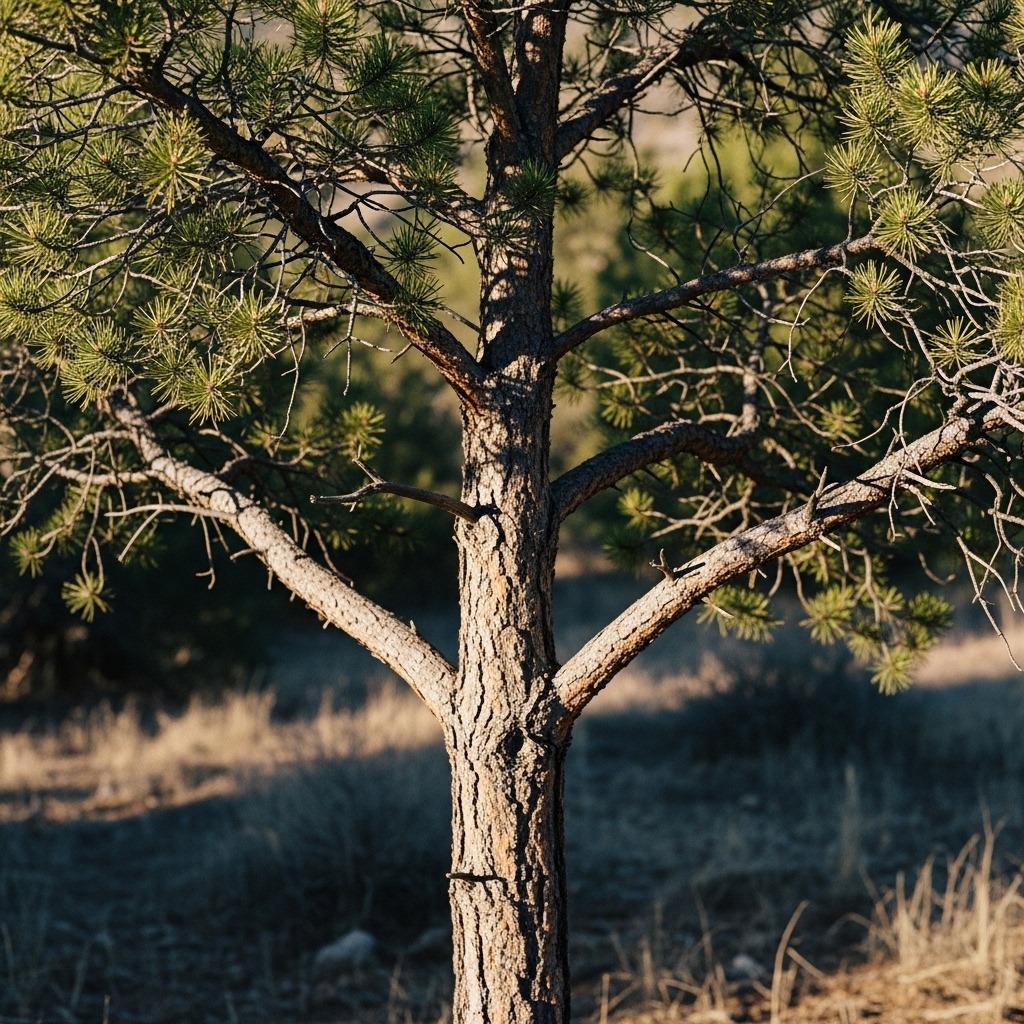
Physical Description of Pinyon Pine
Pinyon pines are generally small to medium-sized trees. Here’s what to look for:
- Height: Typically, they grow between 10 to 20 feet tall, although some can reach up to 30 feet in ideal conditions.
- Needles: The tree has needle-like leaves that occur in pairs. Each needle is about 1 to 2 inches long and remains on the tree for several years.
- Bark: Its bark is scaly and rough, with a reddish-brown color that gives it a distinctive appearance.
- Cones: Pinyon pine cones are small and egg-shaped, measuring around 1.5 to 2 inches. Inside, you’ll find the beloved pine nuts.
Native Habitat and Ecological Range
Pinyon pines thrive in specific conditions. They are primarily found in:
- Regions: The Rocky Mountain region, spanning Utah, Colorado, New Mexico, and Arizona. They often grow alongside Utah junipers.
- Elevation: These trees prefer elevations below 7,500 feet. They flourish in dry, rocky soils that drain well.
- Climate: Drought-tolerant, pinyon pines can survive on as little as 15 inches of rain per year.
Regional Growth Variations
Pinyon pines adapt to different regional climates. Here’s a quick look at variations:
- Northern Range: In Colorado, they may grow taller due to higher moisture levels.
- Southern Range: In New Mexico, they are often shorter and bushier due to harsher conditions.
These trees play a crucial role in their ecosystems, providing food and shelter for wildlife. Their seeds, known as pine nuts, are not just a tasty snack; they hold significant nutritional value and cultural importance.
Nutritional and Culinary Uses of Pinyon Nuts

Pinyon nuts, the edible seeds from the pinyon pine, are not just tasty; they’re also packed with nutrients. These little gems have been cherished for centuries, especially among Native American cultures. Let’s dive into their nutritional profile and culinary uses.
Table of Contents
Nutritional Profile of Pinyon Nuts
Pinyon nuts are nutrient-dense. Here’s a quick breakdown of what makes them special:
- Calories: Around 3000 calories per pound.
- Fats: High in healthy fats, primarily oleic acid.
- Vitamins: Rich in vitamin E.
- Minerals: Good source of calcium, zinc, iron, and magnesium.
These nutrients make pinyon nuts a great energy source, especially for those on the go!
Culinary Applications: Traditional and Modern
Pinyon nuts have a long history in cooking, especially in Southwestern cuisine. Here are some traditional and modern ways to use these delicious seeds:
- Traditional Uses:
- Used in Native American dishes.
- Often roasted and eaten as a snack.
- Incorporated into stews and breads.
- Modern Uses:
- Tossed in salads for a crunchy texture.
- Blended into pesto for a unique twist.
- Used in granola bars or energy bites for a nutritious snack.
Recipe Idea: Pinyon Nut Pesto
Here’s a simple recipe to get you started:
Ingredients:
- 1 cup fresh basil
- 1/2 cup pinyon nuts
- 1/2 cup olive oil
- 1/4 cup grated Parmesan cheese
- Salt and pepper to taste
Instructions:
1. In a food processor, combine basil and pinyon nuts.
2. Pulse until finely chopped.
3. Slowly add olive oil while blending.
4. Mix in Parmesan, salt, and pepper.
5. Enjoy it with pasta, on sandwiches, or as a dip!
Pinyon nuts not only add flavor but also boost the nutritional value of your meals. Whether you’re following traditional recipes or getting creative in the kitchen, these nuts are a fantastic choice!
Cultural Significance of Pinyon Pine in Native American Traditions
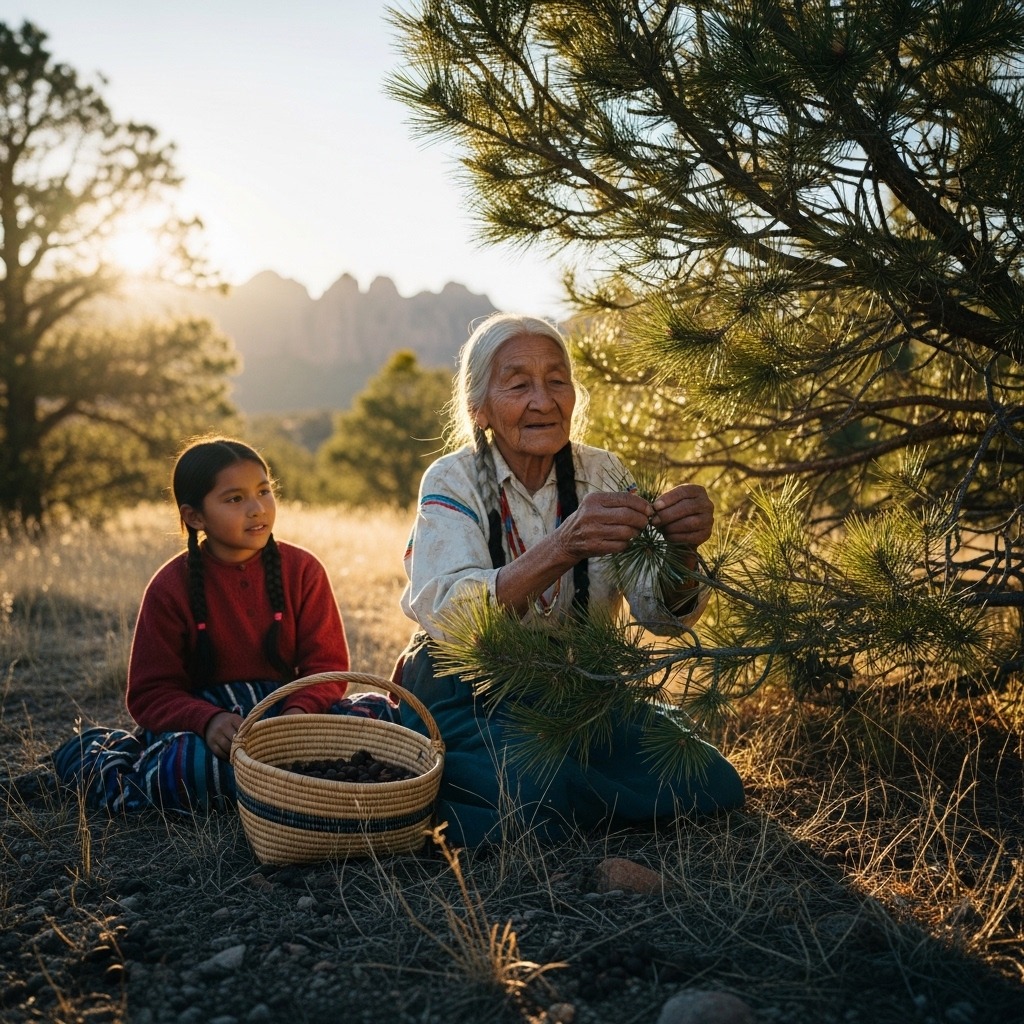
Pinyon pine holds a special place in Native American culture. Its seeds, known as pinyon nuts, have been a vital food source for centuries. Let’s explore how this tree has shaped traditions and diets.
Historical Harvesting Practices
Harvesting pinyon nuts is an art passed down through generations. Native Americans have used traditional methods to gather these tasty seeds. Here’s how it typically works:
- Timing: Harvesting usually occurs in late summer to early fall.
- Technique: Gatherers use long poles to knock cones from the trees.
- Preparation: The cones are often scorched lightly to help release the seeds.
This method not only showcases skill but also deep respect for the tree and its resources. Many tribes still honor these ancient techniques today.
Role in Native American Diets and Traditions
Pinyon nuts are more than just food; they are a cornerstone of many Native American diets. Here are some important aspects:
- Nutritional Value: Pinyon nuts are high in fat and protein, making them a great energy source.
- Culinary Uses: They can be roasted, ground into flour, or eaten raw. These nuts add flavor to various dishes.
- Cultural Stories: Many tribes share stories about the pinyon tree, linking it to survival and community.
For instance, some tribes believe that the pinyon tree is a symbol of life and nourishment. This belief reinforces the connection between the land and its people.
Pinyon pine trees not only provide sustenance but also serve as a reminder of cultural heritage. They connect generations through shared traditions and practices.
Care and Maintenance of Pinyon Pine Trees
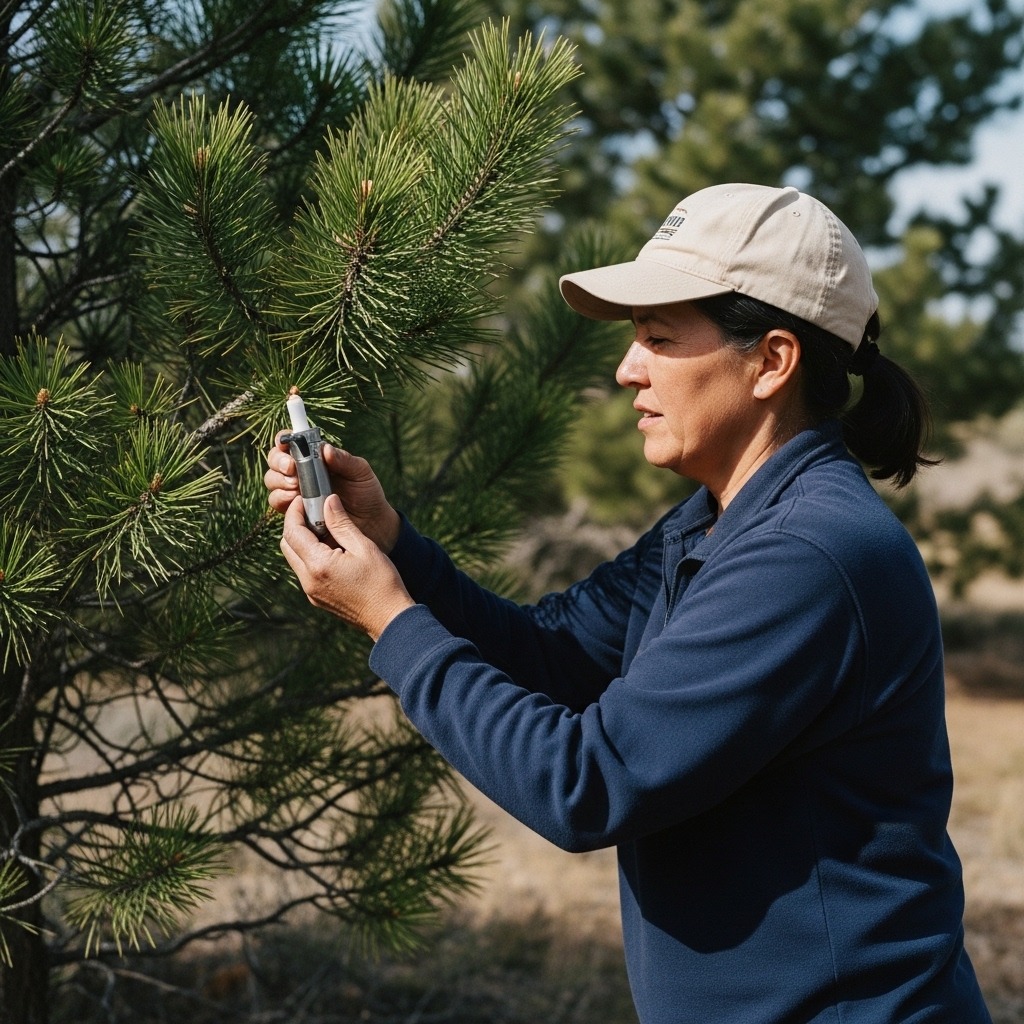
Growing pinyon pines can be a rewarding experience. With the right care, these trees thrive in dry conditions and provide beautiful greenery and delicious nuts. Let’s dive into how to keep your pinyon pine healthy and happy.
Optimal Growing Conditions
Pinyon pines are not picky but do best in certain conditions:
- Soil: Well-drained soil is essential. These trees prefer sandy or gravelly soils. Heavy clay can lead to root rot.
- Sunlight: Full sun is a must! Aim for at least 6 hours of direct sunlight each day.
- Elevation: They thrive best at elevations below 7,500 feet. If you’re planting at higher elevations, ensure proper care and monitoring.
- Watering: After establishing, pinyon pines are drought-tolerant. Water them twice a month in summer and once a month in cooler seasons. Be cautious not to overwater, as this can harm the tree.
Common Pests and How to Manage Them
Pinyon pines can face some pest challenges. Here’s a quick guide to keep them safe:
- Pinyon Ips Beetle: This beetle can cause stress to the tree, especially in drought conditions. Regularly check for signs of infestation, like boreholes or frass (sawdust-like material) at the base of the tree.
- Pinyon Needle Scale: These tiny insects attach to the needles. If you notice yellowing needles, it might be time to treat them with horticultural oil.
- Preventative Measures: Keep your pinyon pine healthy through regular watering and fertilizing. A healthy tree is less likely to fall victim to pests. Also, avoid planting them in waterlogged areas.
Pinyon Pine Care Checklist
Here’s a handy checklist to ensure your pinyon pine is thriving:
- [ ] Plant in well-drained soil
- [ ] Provide full sun (6+ hours daily)
- [ ] Water twice a month in summer; once a month in winter
- [ ] Monitor for pests like the pinyon ips beetle and needle scale
- [ ] Fertilize sparingly; they prefer low-nutrient conditions
- [ ] Avoid overwatering and planting in low, wet areas
By following these guidelines, you can help your pinyon pine flourish for many years to come!
Ecological Role and Wildlife Benefits of Pinyon Pine
Pinyon pine plays a crucial role in its ecosystem. Its presence supports various wildlife and contributes to overall ecological health.
Habitat for Wildlife Species
Pinyon pines are more than just trees; they are lifelines for many creatures. The dense branches provide shelter and nesting sites for birds, including the endangered Mexican spotted owl.
Various mammals, such as squirrels and deer, rely on pinyon pine for food. The tree produces nutrient-rich pine nuts that are a favorite snack for many species. In fact, the pinyon jay is known to depend heavily on these seeds, storing them for later use.
Contribution to Ecosystem Health
The ecological benefits of pinyon pine extend beyond individual species. These trees help stabilize soil and prevent erosion, especially in mountainous areas. Their roots penetrate deep into the ground, allowing for better water retention in dry climates.
Moreover, pinyon pines play a role in carbon sequestration. They absorb carbon dioxide from the atmosphere, helping to mitigate climate change. This is increasingly important as climate conditions shift and affect their habitats.
Quick Facts:
- Wildlife Interaction: Supports birds, mammals, and insects.
- Erosion Control: Stabilizes soil in rugged terrains.
- Carbon Sequestration: Helps reduce greenhouse gases.
In summary, pinyon pines are vital for both wildlife and the health of their ecosystems. They provide food, shelter, and environmental benefits that contribute to a balanced habitat.
Comparing Pinyon Pine to Other Pine Species
Pinyon pine stands out among its pine relatives. Let’s dive into how it compares with other common pine species in growth habits, uses, and ecological roles.
Key Differences Between Pinyon Pine and Other Pines
Pinyon pine is unique in several ways. Here’s a quick comparison of its characteristics with other popular pine species:
| Feature | Pinyon Pine | Eastern White Pine | Lodgepole Pine |
|---|---|---|---|
| Height | 10-20 feet | 50-80 feet | 40-100 feet |
| Needles | 2 per bundle, 1 inch | 5 per bundle, 3-5 inches | 2 per bundle, 2-3 inches |
| Growth Rate | Slow | Moderate to Fast | Fast |
| Seeds (Pine Nuts) | Highly nutritious | Edible but less common | Inedible |
| Drought Tolerance | High | Low | Moderate |
Pinyon pines grow slowly, often taking decades to reach maturity. In contrast, species like the Eastern White Pine can shoot up quickly. This slower growth can be a benefit in arid environments, where drought tolerance is crucial.
Ecological and Economic Comparisons
Pinyon pine plays a vital ecological role in its native habitat. Its seeds are not only edible but also a significant food source for wildlife, including birds and small mammals. Other pines, like the Eastern White Pine, provide timber and are often harvested for construction.
- Cultural Significance: Indigenous peoples have harvested pinyon nuts for centuries, incorporating them into their diets and traditions. This cultural connection is less pronounced with many other pine species.
- Economic Value: Pinyon nuts have gained popularity in culinary circles, praised for their rich flavor and nutritional content. In contrast, other pine species like the Lodgepole Pine are primarily valued for timber production.
Pinyon pine’s unique characteristics make it a standout in both ecological and economic contexts. It thrives where other pines might struggle, proving its worth in more than just looks.
Alternatives to Pinyon Pine for Landscaping
If you’re considering other tree options that thrive in similar conditions to the pinyon pine, you’re in luck! Several drought-tolerant trees can bring beauty and functionality to your landscape.
Drought-Tolerant Tree Options
Here are some excellent alternatives to pinyon pine that thrive in dry soils:
- Juniper (Juniperus spp.)
- Hardy and low-maintenance.
- Offers a similar evergreen look.
- Provides habitat for wildlife.
- Sagebrush (Artemisia tridentata)
- Very drought-resistant.
- Aromatic foliage adds unique character.
- Attracts pollinators and beneficial insects.
- Desert Willow (Chilopsis linearis)
- Produces beautiful trumpet-shaped flowers.
- Grows well in poor soil and requires little water.
- Attracts hummingbirds and butterflies.
- Mesquite (Prosopis spp.)
- Fast-growing and highly drought-tolerant.
- Provides shade and a unique aesthetic.
- Edible pods can be used in cooking.
Aesthetic and Functional Comparisons
When choosing between these trees, consider both their looks and their ecological benefits. Here’s a quick comparison:
| Tree Type | Height | Drought Tolerance | Wildlife Benefits | Aesthetic Appeal |
|---|---|---|---|---|
| Pinyon Pine | 10-20 ft | High | Pine nuts for birds | Dense, bushy crown |
| Juniper | 3-50 ft | Moderate to High | Cover for small birds | Varied foliage colors |
| Desert Willow | 15-30 ft | High | Attracts hummingbirds | Showy flowers |
| Mesquite | 15-30 ft | Very High | Shade and habitat | Interesting bark texture |
Keep in mind that while pinyon pine is unique for its edible seeds, other trees can offer their own set of benefits, from beauty to wildlife attraction. Choose what fits your landscape best!
Frequently Asked Questions
These quick answers cover the most common questions about this topic, including key details, practical tips, and common concerns.
Where do pinyon pine trees grow?
Pinyon pines, specifically Pinus edulis, are native to the southwestern United States. They thrive in regions like Utah, Colorado, New Mexico, and Arizona, typically at elevations below 7,500 feet. These trees prefer dry, rocky soils and are well-adapted to arid climates with limited rainfall.
Can you eat pinyon pine nuts?
Yes, pinyon pine nuts are edible and highly nutritious. They are rich in healthy fats, vitamins, and minerals. Native Americans have harvested and consumed pinyon nuts for centuries, using them in traditional dishes and snacks.
Why is piñon so expensive?
Pinyon nuts are costly because they are labor-intensive to harvest. Cones must be collected carefully, often by hand or with long poles, and the nuts require cracking and cleaning. Additionally, the limited growing regions and harvesting season contribute to their high price.
What does piñon pine smell like?
The scent of pinyon pine is warm, resinous, and woody. When burned or crushed, it releases a fragrant aroma reminiscent of pine resin and balsam, often used in incense or essential oils for its calming properties.
How long does a pinyon pine live?
Pinyon pines can live for 300 to 600 years under ideal conditions. Their longevity makes them important ecological and cultural symbols, especially in Native American traditions.
What wildlife benefits from pinyon pine?
Pinyon pines support a variety of wildlife. Birds like the pinyon jay and woodpeckers rely on the seeds for food. Mammals such as squirrels and deer also feed on the nuts and use the trees for shelter.
How to identify pinyon pine?
Identify pinyon pine by its small to medium size (10-20 feet), paired needle leaves about 1-2 inches long, and small, egg-shaped cones. Its reddish-brown, scaly bark and dense, bushy growth are also distinctive features.
What are the best growing conditions for pinyon pine?
Plant pinyon pines in well-drained, sandy or gravelly soils with full sun exposure. They prefer dry conditions and are drought-tolerant once established. Avoid low-lying areas with poor drainage to prevent root rot.
What should readers know about detailed pest management strategies?
Regularly inspect pinyon pines for signs of pests like the pinyon ips beetle or needle scale. Maintain tree health through proper watering and avoid overwatering. If pests appear, consider targeted treatments like horticultural oils or consulting an arborist for advanced strategies.
What should readers know about climate change effects on pinyon pine distribution and health?
Climate change threatens pinyon pines by increasing drought stress, leading to higher susceptibility to pests and disease. Rising temperatures and altered precipitation patterns can shift their natural range, potentially reducing their habitat and affecting seed production. Monitoring and conservation efforts are vital to preserve these trees.