
The tamarack (Larix laricina) is a unique deciduous conifer known for its striking autumn foliage and adaptability to wetland environments. This guide provides essential facts about its growth rates, lifespan, and more, including captivating pictures of this remarkable tree.
Overview of Tamarack (Larix laricina)
The tamarack, also known as Larix laricina, is a fascinating deciduous conifer. It stands out for its unique needle-shedding behavior and vibrant fall colors.
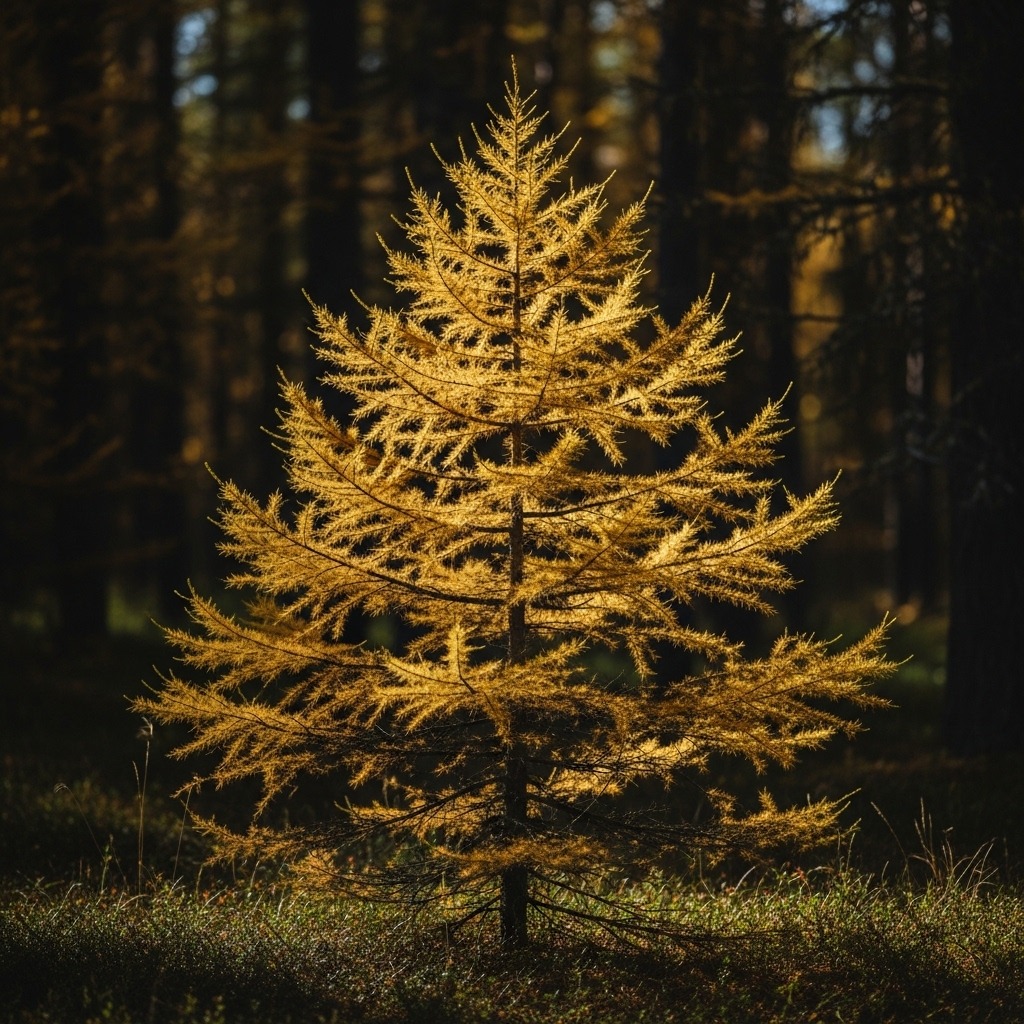
What is a Tamarack?
Tamarack is a native tree to North America, primarily found in wetland areas. It belongs to the family Pinaceae and is one of the few conifers that lose its needles in autumn. This tree can grow up to 80 feet tall and thrives in cool climates.
Key Characteristics
- Needle Shedding: Unlike most conifers, tamarack sheds its soft, needle-like leaves each fall. They turn a dazzling golden yellow before dropping, creating a stunning autumn display.
- Growth Rates: Tamaracks can grow rapidly under optimal conditions. In well-drained, sunny areas, they can reach heights of 1-2 feet per year.
- Lifespan: The average lifespan of a tamarack is around 100 to 200 years, depending on environmental factors and pest pressures.
- Soil Preferences: Tamaracks prefer wet, acidic soils. They thrive in bogs and swamps but can also adapt to drier sites if conditions are right.
- Ecological Role: Tamaracks play a crucial role in their ecosystem. They provide habitat for various wildlife, including snowshoe hares and moose, who rely on the tree for food and shelter.
Visual Identification Tips
- Needles: Look for soft, green needles that grow in clusters. They are typically 1-1.5 inches long.
- Bark: The bark is thin, scaly, and grayish-brown, often developing fissures as the tree matures.
- Cones: Tamarack cones are small, about 1 inch long, and produce seeds that are dispersed by wind.
This striking tree is a true gem of North America’s boreal forests, showcasing the beauty of nature through its seasonal transformations.
Growth Rates of Tamarack Trees
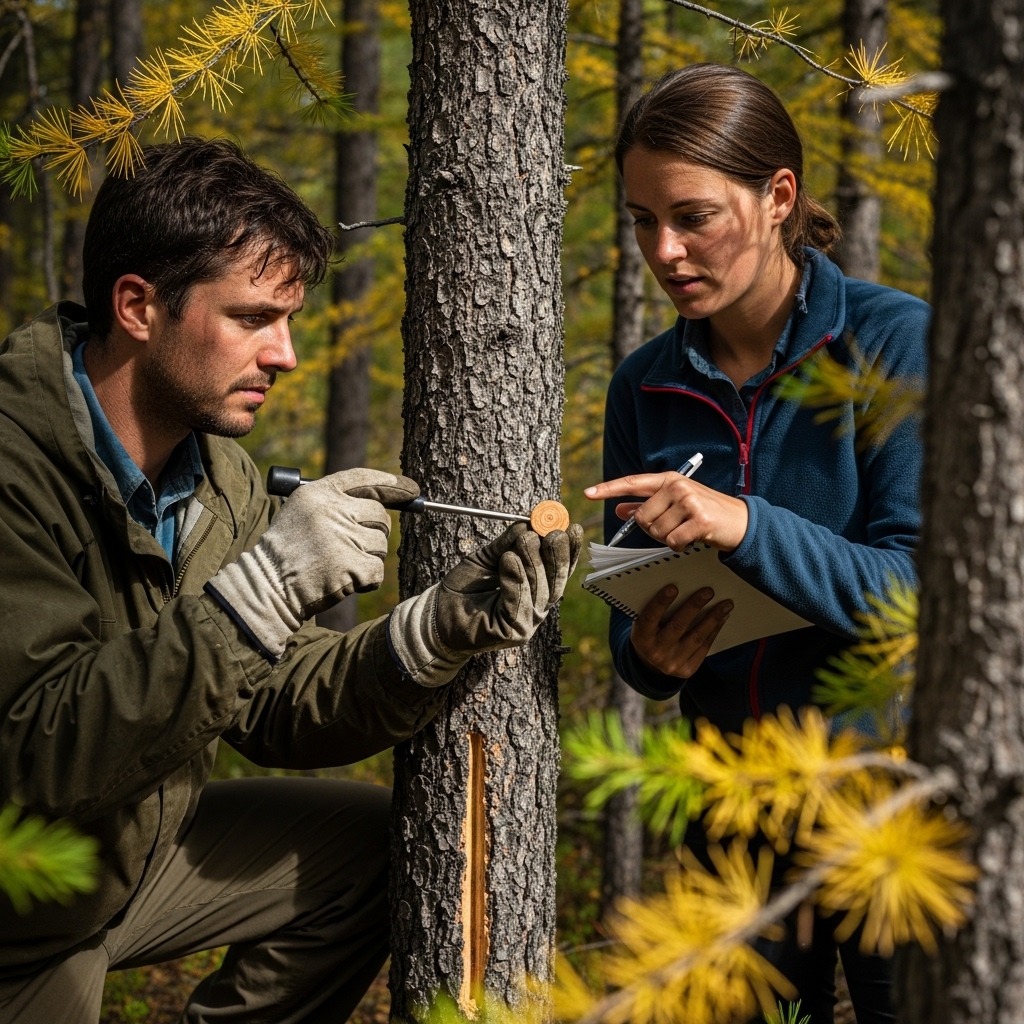
Tamarack trees are known for their impressive growth rates, especially in the right conditions. Understanding their growth can help you appreciate these beautiful conifers even more.
Average Growth Rates
Tamaracks can be some of the fastest-growing conifers. Here’s a quick look at their growth rates in different conditions:
| Environment | Average Annual Growth Rate |
|---|---|
| Well-drained soil | Up to 1.5 feet |
| Moist, saturated soil | 0.5 feet |
| Poor, acidic soil | Less than 0.5 feet |
In optimal conditions, tamaracks can grow between 50 to 75 feet tall at maturity, with some exceptional individuals reaching over 100 feet! They typically achieve heights of 15 to 23 meters (50 to 75 feet) and a diameter at breast height (DBH) of 14 to 20 inches. However, in less ideal conditions, like very wet or nutrient-poor soils, they may struggle to reach these heights.
Table of Contents
Factors Influencing Growth
Several key factors influence the growth rates of tamarack trees:
- Soil Moisture: Tamaracks thrive in wet, acidic soils. However, they grow best in well-drained environments.
- Sunlight: These trees love full sun. If they get too much shade, their growth can slow significantly.
- Temperature: Tamaracks are hardy and can withstand extremely cold temperatures, but consistent warmth during the growing season helps boost growth.
In comparison to other conifers, tamaracks often outpace their neighbors in similar environments, especially in bogs or wetlands. This makes them unique among trees that prefer drier conditions.
Visual Growth Comparison
- Tamarack vs. Spruce: Tamaracks generally grow faster than spruce trees in similar wet conditions.
- Tamarack vs. Pine: While pines may grow taller in drier soils, tamaracks dominate in waterlogged areas.
Understanding these growth rates and influencing factors can help you appreciate the ecological role of tamaracks in their native habitats.
Lifespan and Maturity Age of Tamarack

Tamarack trees, also known as Larix laricina, have a fascinating life story. Their lifespan and age of maturity vary based on several factors, including environmental conditions.
Typical Lifespan
Tamarack trees typically live between 150 and 180 years. However, some exceptional specimens have been known to reach up to 335 years old! Their longevity is influenced by factors like soil quality, moisture levels, and local climate.
- Average Lifespan: 150-180 years
- Exceptional Lifespan: Up to 335 years
In optimal conditions, such as well-drained soils and adequate sunlight, tamaracks can thrive and achieve remarkable ages. For example, a tamarack growing in a rich, wetland area of Minnesota may live longer than one in a drier, sandy region.
Maturity Age
Tamaracks don’t take too long to mature. They typically reach maturity around 40 years of age. At this point, they begin producing viable seeds, making them crucial for forest regeneration.
- Maturity Age: 40 years
- Seed Production: Begins at 40 years; peak around 75 years
In more favorable conditions, such as in peatlands, they might even start producing seeds as early as 12 to 15 years. This quick maturation is essential for their role in ecosystems, providing food and habitat for various wildlife species.
Understanding the lifespan and maturity of tamarack trees helps us appreciate their ecological contributions. They play a vital role in their habitats, supporting wildlife and maintaining forest health.
Preferred Habitat and Soil Conditions
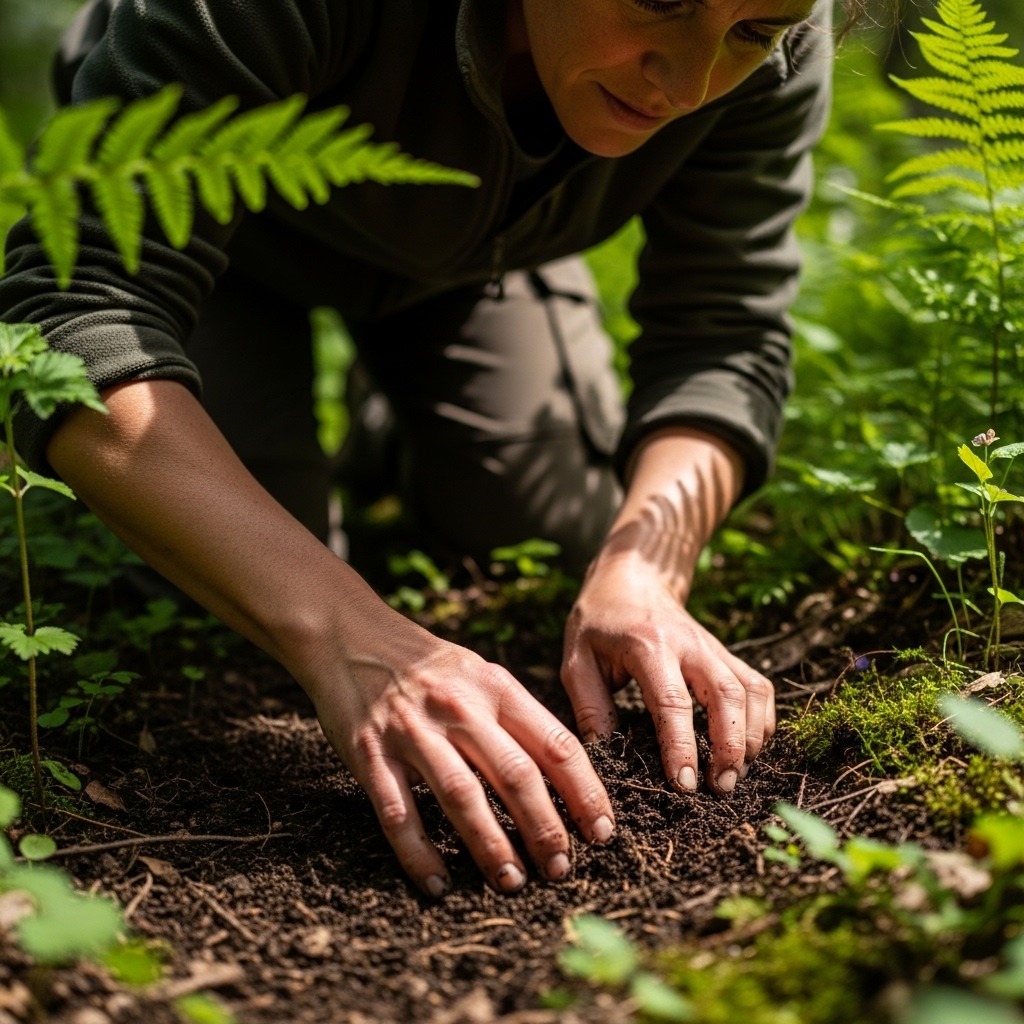
Tamarack trees thrive in specific habitats and prefer certain soil conditions. Understanding these preferences helps ensure healthy growth and sustainability.
Habitat Preferences
Tamaracks are typically found in wet, nutrient-poor environments. They flourish in:
- Peatlands: These areas are rich in organic material and have high moisture levels.
- Swamps and Bogs: Tamaracks can tolerate standing water, making them ideal for these environments.
- Mixed Forests: While they can grow alone, they often coexist with other tree species in mixed stands.
These trees are particularly abundant in the boreal forests of Canada and northern Minnesota.
Soil Requirements
Tamaracks are not picky, but they do have some favorites! They grow best in:
- Organic Soils: Such as sphagnum peat and woody peat, which retain moisture.
- Moist Loamy Soils: Found along streams and lakes, where drainage is adequate.
- Acidic Conditions: They prefer soil pH levels between 4.0 and 6.0.
Here’s a quick checklist of soil conditions for tamaracks:
- Soil Type: Peat, loam, clay, or sand
- Moisture Level: Wet to moist
- pH Level: 4.0 to 6.0 (acidic is best)
Optimal Growth Environments
For the best growth rates, tamaracks need:
- Full Sunlight: This helps them reach their full height potential, which can be up to 20-30 feet.
- Consistent Moisture: They thrive in areas that are consistently wet but not overly flooded.
In contrast, if planted in dry, well-drained areas, their growth may suffer, and they can even die from drought. This adaptability makes them significant players in their ecosystems!
Common Problems and Pests Affecting Tamarack
Tamarack trees, while hardy, can face various challenges from pests and diseases. Understanding these issues is key to keeping your tamaracks healthy and thriving.
Common Pests
1. Eastern Larch Beetle: This beetle primarily targets weakened or dead trees. Keeping your tamarack healthy is the best prevention.
2. Spruce Budworm: This little critter can cause significant damage during outbreaks. Regular monitoring can help catch infestations early.
3. Larch Shoot Moth: Typically not a major threat, but can occasionally cause damage. Watch for signs of wilting or dead shoots.
Signs of Infestation
Keep an eye out for these signs that your tamarack may be dealing with pests:
- Boreholes in the bark: Small holes can indicate beetle activity.
- Wilting or browning needles: A sign of nutrient stress or pest problems.
- Excessive needle drop: Healthy tamaracks shed some needles, but if it’s excessive, something might be wrong.
Pest Management Strategies
Here are some effective strategies to manage common pests:
- Regular Inspections: Check your tamarack trees regularly for signs of pests. Early detection is crucial.
- Healthy Practices: Maintain tree health through proper watering, mulching, and pruning. Healthy trees are less susceptible to infestations.
- Natural Predators: Encourage birds and other wildlife that feed on pests. They can help keep populations in check.
- Insecticides: If infestations occur, consider using targeted insecticides. Always follow label directions for safe application.
By being proactive and attentive, you can help your tamaracks thrive despite the challenges they may face.
Ecological Significance and Uses of Tamarack
Tamarack trees, or Larix laricina, play vital roles in their native ecosystems. They provide shelter and food for various wildlife species while also contributing to soil health.
Ecological Roles
Tamarack trees thrive in wet, acidic soils, often found in boggy areas. These trees are unique because they are deciduous conifers, shedding their needles in the fall. This characteristic not only sets them apart but also enriches the soil as the fallen needles decompose.
Here are some ecological roles of tamarack:
- Wildlife Habitat: Tamaracks provide crucial habitats for birds, insects, and mammals. Species like snowshoe hares and porcupines rely on their bark and needles for food.
- Nesting Sites: The open structure of tamarack crowns offers excellent nesting sites for various birds such as the American osprey and warblers.
- Erosion Control: Their root systems stabilize wet soils, preventing erosion and maintaining water quality in surrounding areas.
Cultural and Historical Uses
Tamarack has a rich history of use among Indigenous peoples. The Algonquian-speaking tribes utilized nearly every part of this tree. Here are some fascinating examples:
- Medicinal Uses: The inner bark was harvested for food during lean times. A tea made from the bark treated ailments like heart conditions and skin diseases.
- Craftsmanship: The flexible roots were used to stitch birchbark canoes together. This strong, rot-resistant material was essential for building durable vessels.
- Construction Material: Historically, tamarack wood served as a key resource for various construction needs, from arrow shafts to shipbuilding.
These cultural practices illustrate the deep connection between tamarack trees and the communities that relied on them. Not only do they hold ecological importance, but they also carry significant cultural heritage.
Visual Identification of Tamarack Trees
Identifying tamarack trees can be a fun and rewarding experience. These unique trees change dramatically with the seasons. Here’s how to spot them throughout the year.
Identifying Features in Spring and Summer
In spring and summer, tamarack trees stand out with their soft, green needles. Here are some key features to look for:
- Needles: Tamarack needles are needle-like and grow in clusters of 10-30. They are about 1-1.5 inches long, soft to the touch, and have a light green color.
- Cones: Look for small, round cones that are about 1-2 inches long. They appear in clusters and can be reddish-brown when young.
- Bark: The bark is smooth and gray when the tree is young but becomes scaly and dark brown as it matures.

Fall Color and Needle Drop
In the fall, tamaracks put on a spectacular show. Here’s what to expect:
- Color Change: The needles turn a bright golden-yellow before dropping off. This is a distinctive feature, as most conifers keep their needles year-round.
- Bare Branches: After the needles fall, the branches become bare, revealing the unique structure of the tree.

Quick Tips for Identification
To help you identify tamaracks, keep these tips in mind:
- Location: Look for tamaracks in wet, boggy areas or near rivers and lakes. They thrive in these environments.
- Height: Tamaracks can grow up to 60 feet tall, but many are shorter. Look for those that have a conical shape.
- Surrounding Trees: They often grow alongside black spruce and other boreal species, making them easier to spot.
With these tips, you’ll be well on your way to identifying tamarack trees in any season!
Frequently Asked Questions
These quick answers cover the most common questions about this topic, including key details, practical tips, and common concerns.
How quickly do tamaracks grow?
Tamarack trees are among the faster-growing conifers. Under optimal conditions, they can grow about 1 to 2 feet per year. In well-drained, sunny environments, they often reach their mature height of 50 to 75 feet within 40 to 60 years. Growth rates can slow in wetter or nutrient-poor soils.
What is the lifespan of a tamarack tree?
The average lifespan of a tamarack is around 150 to 180 years. Some specimens have been known to live over 300 years, especially in protected, healthy wetland habitats. Their longevity depends on environmental factors and pest pressures.
What are the growing conditions for tamarack?
Tamaracks thrive in wet, acidic soils such as bogs, swamps, and floodplains. They prefer full sunlight and moist to saturated conditions. They can tolerate cold temperatures and are well-suited for northern climates, but they do not do well in dry, well-drained soils.
What are common tamarack problems?
Common issues include pests like the eastern larch beetle and the larch shoot moth. These pests can cause needle loss, branch dieback, or tree mortality if untreated. Diseases are less common but can include root rot in poorly drained soils. Regular monitoring and maintaining tree health help prevent problems.
How do tamarack trees contribute to their ecosystem?
Tamaracks are vital for wetland ecosystems. They stabilize soil, improve water quality, and provide habitat and food for wildlife such as moose, snowshoe hares, and various bird species. Their seasonal needle drop enriches the soil, supporting plant diversity.
What wildlife benefits from tamarack trees?
Many animals depend on tamaracks. Birds nest in their branches, and species like moose and beavers feed on their bark and needles. The tree’s cones provide seeds for small mammals and birds, making it a keystone species in boreal and wetland habitats.
Are tamarack trees suitable for landscaping?
Tamaracks are suitable for native plant gardens or wetland restoration projects. However, they require ample space and specific soil conditions. They are less common in traditional landscaping due to their preference for moist environments and seasonal needle drop.
What are the best conditions for planting tamarack trees?
Plant tamaracks in moist, acidic soils with full sun exposure. They are best suited for wetland areas, along streams, or in boggy sites. Proper site selection ensures healthy growth and long-term vitality.
What are the signs of a healthy tamarack tree?
Healthy tamaracks have vibrant green needles in summer, a straight trunk, and firm bark. They produce cones annually after maturity and show no signs of excessive needle loss or pest infestation. Consistent growth and good form indicate good health.
How to identify tamarack trees in different seasons?
In spring and summer, look for soft, bright green needles in clusters. In fall, their needles turn bright golden-yellow before dropping. During winter, the bare branches reveal their conical shape and distinctive bark, making them easier to identify year-round.