
The Northern Goshawk is a medium-large bird of prey known for its impressive hunting skills and adaptability to various forest habitats. This guide provides comprehensive insights into its facts, distribution, diet, lifespan, and captivating pictures.
Table of Contents
Overview of the Northern Goshawk
The Northern Goshawk is a striking bird of prey known for its agility and power. With its impressive hunting abilities, it plays a vital role in maintaining the balance of its forest environment.
Physical Characteristics
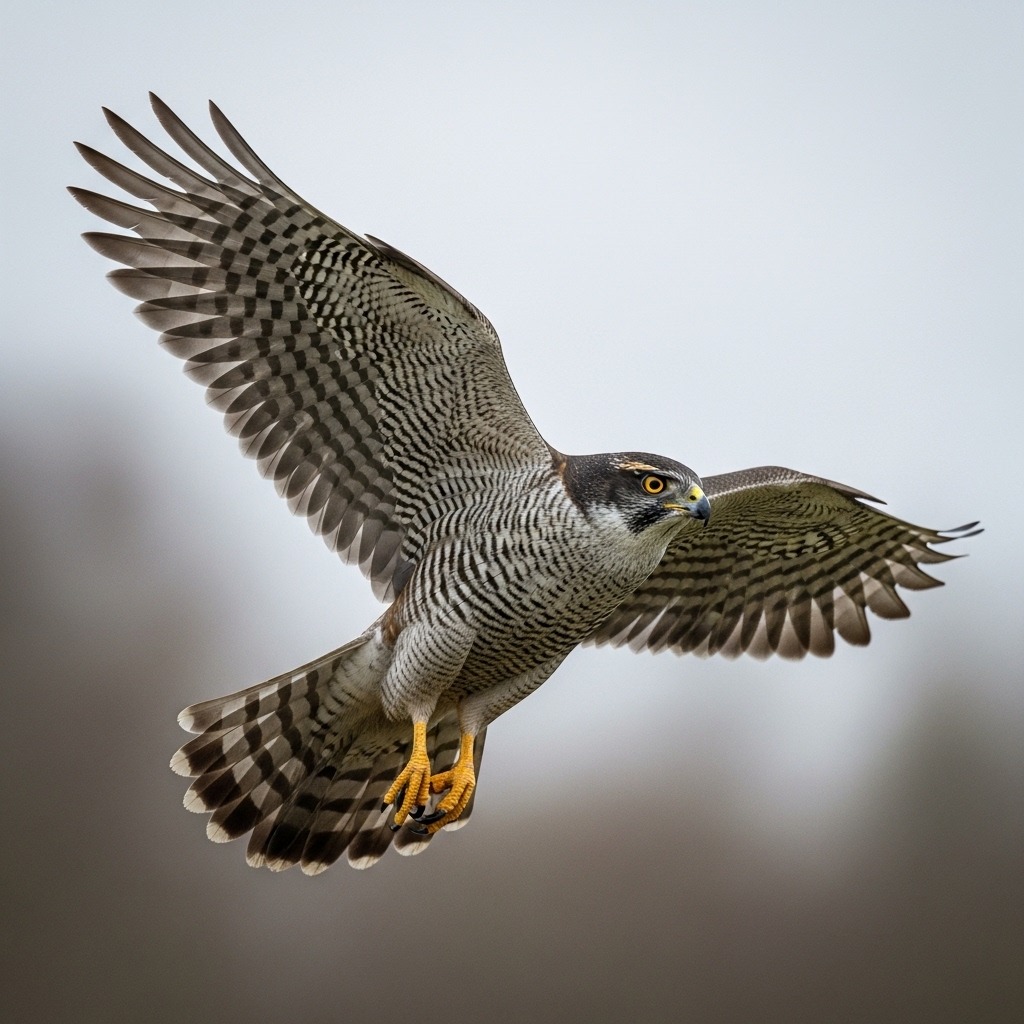
Northern Goshawks have distinct physical traits that set them apart. Here are some key features:
- Size: They measure between 20.9 to 25.2 inches in length. Females are typically larger than males, showcasing a clear sexual dimorphism.
- Wingspan: Their wingspan ranges from 40.5 to 46.1 inches, which helps them maneuver swiftly through dense forests.
- Coloration: Adults have slate-gray backs with fine barring. Juveniles are brown with lighter underparts and yellow eyes, making them easily identifiable at different life stages.
- Tail: The tail is barred with 3 to 5 dark bands, aiding in their agile flight patterns.
These physical traits significantly enhance their hunting capabilities. Their short, broad wings allow for quick turns in tight spaces, while their long tails help maintain balance during swift pursuits.
Behavior and Adaptability
Northern Goshawks are not just impressive in appearance; they are also fascinating in their behavior. Here’s how they adapt to their environment:
- Hunting Style: They use a perch-hunting technique, often launching surprise attacks from elevated perches. This method allows them to ambush unsuspecting prey.
- Flight: When hunting, they can glide silently from their perch, making their approach stealthy. This silent flight is crucial for catching prey off guard.
- Territorial Nature: They are highly territorial and often engage in display flights to defend their home ranges.
These behaviors highlight their role as top predators in their ecosystems. By controlling prey populations, they help maintain ecological balance.
Geographic Distribution of the Northern Goshawk
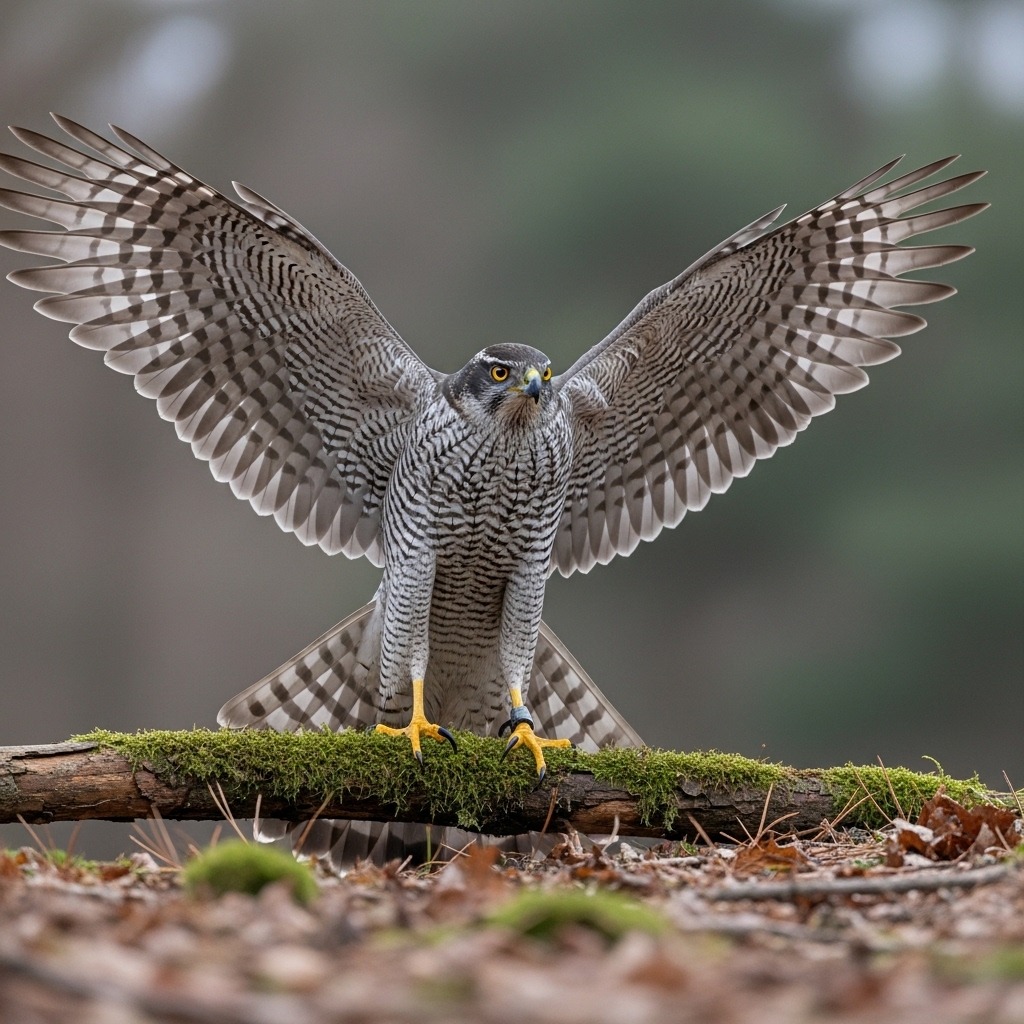
The Northern Goshawk has a fascinating global reach. These birds thrive in various habitats across multiple continents. Let’s explore where you can find them and what types of environments they prefer.
Preferred Forest Types
Northern Goshawks are primarily found in mature forests. They love a mix of coniferous and deciduous trees. This combination provides both cover for nesting and ample hunting opportunities. Here are some preferred habitats:
- Temperate Forests: Common in North America, Europe, and parts of Asia.
- Boreal Forests: Found in northern regions, they offer dense tree coverage.
- Urban Areas: Interestingly, they can adapt to urban settings, using isolated trees and small woodlots.
This adaptability makes them versatile hunters. They carefully select breeding territories with enough space for foraging and nesting.
Seasonal Migration Patterns
Northern Goshawks exhibit partial migration. Some individuals stay put, while others travel south for the winter. Here’s a breakdown:
- Fall Migration: Generally occurs from September to November.
- Spring Migration: Typically happens from February to April.
Their migration patterns are influenced by prey availability and climate. Monitoring these patterns helps in understanding their habitat needs.
Visual Distribution
Imagine a map stretching from Alaska to Japan. Northern Goshawks occupy a circumpolar distribution. They’re most commonly found in:
- North America: Western U.S., Alaska, and parts of Mexico.
- Eurasia: Most of Europe, except for Ireland and Iceland.
This broad distribution highlights their adaptability to different environments. They can thrive in both high-altitude mountainous regions and lowland forests.
Overall, Northern Goshawks demonstrate remarkable flexibility in habitat choice and migration, making them a captivating subject for bird enthusiasts and conservationists alike.
Diet and Hunting Behavior of the Northern Goshawk
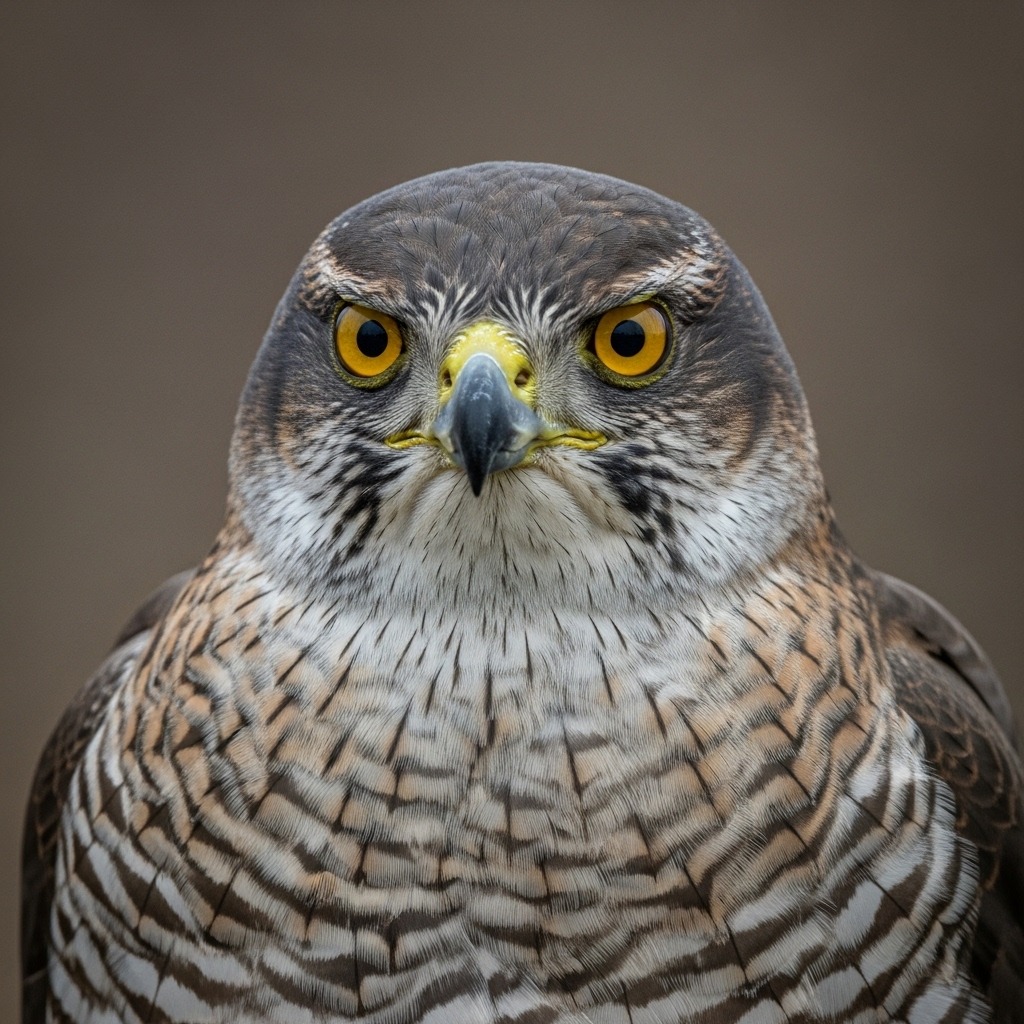
Northern Goshawks are skilled hunters with a diverse diet. Their eating habits reveal a lot about their hunting strategies and adaptability in different environments.
Primary Prey Species
These birds are carnivorous predators, mainly feeding on:
- Mammals: Squirrels, rabbits, and voles.
- Birds: Jays, pigeons, grouse, and ducks.
Their diet can vary based on location and prey availability. In urban areas, they might target pigeons, while in forests, smaller mammals take the spotlight.
Hunting Strategies
Northern Goshawks use various techniques to catch their prey. Here are some key strategies:
1. Perch-Hunting: They often sit on elevated branches, scanning for unsuspecting victims below. When they spot prey, they launch a swift attack.
2. Quartering Flight: This involves flying low over open areas while keeping an eye out for movement. It helps them cover more ground efficiently.
3. Silent Approach: When diving from a perch, they can glide silently, making it hard for prey to detect them before it’s too late.
4. Ambush Techniques: Goshawks excel at surprise attacks, using the forest’s density to their advantage. This skill allows them to navigate through trees at high speeds, catching prey off guard.
Example of a Hunting Scenario
Imagine a Northern Goshawk perched high in a tree in the woods. It spots a squirrel scurrying across the ground. With quick, calculated movements, the goshawk dives down, using the branches as cover. It swoops in at high speed, talons outstretched, and captures the squirrel in a matter of seconds. This blend of stealth and speed showcases their incredible hunting prowess.
Their adaptability in hunting strategies reflects their role in the ecosystem as a top predator, controlling prey populations and maintaining ecological balance.
Lifespan and Reproductive Habits of Northern Goshawks
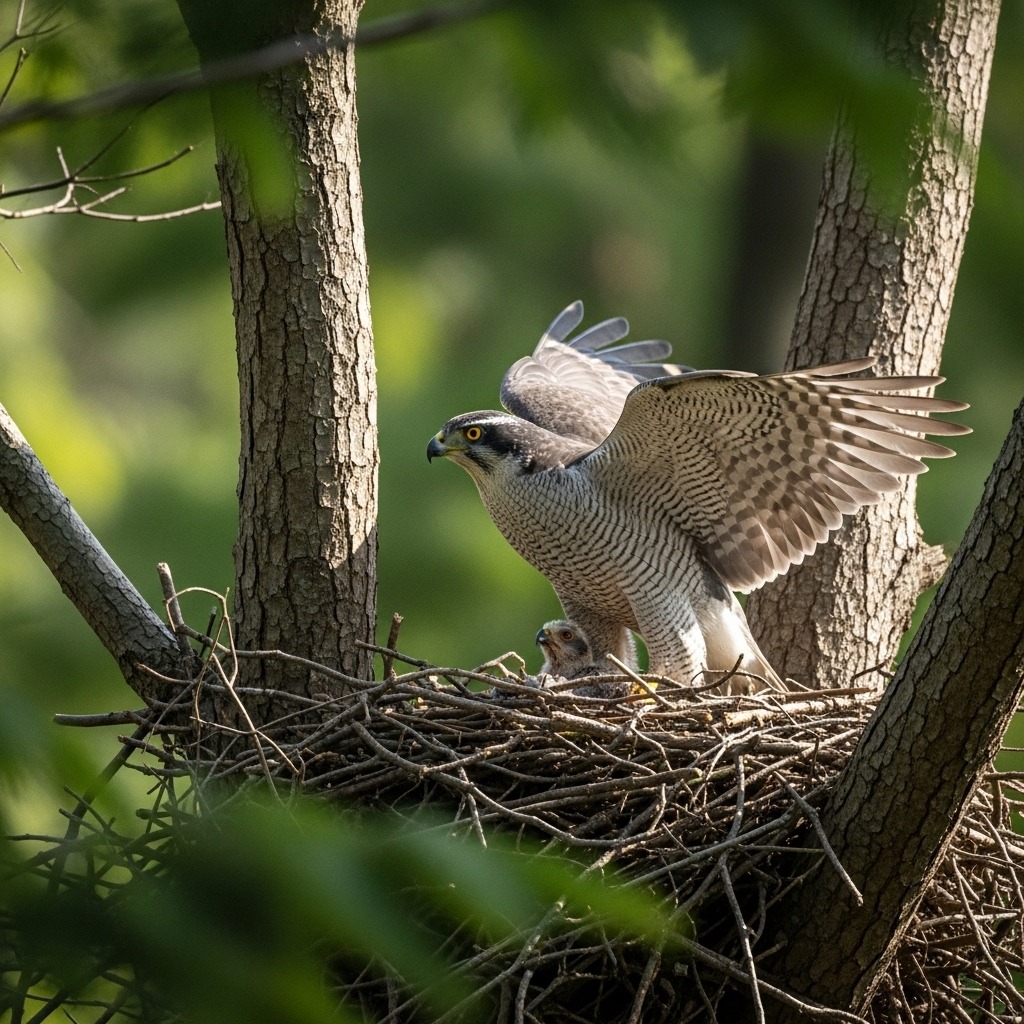
Northern goshawks are fascinating when it comes to their lifespan and breeding habits. These birds usually live around 10 to 12 years in the wild, but some have been known to live longer under the right conditions. Their reproductive behaviors are equally interesting and essential for their survival.
Breeding Season
Northern goshawks typically breed between April and July. During this time, they perform impressive courtship flights. These displays are not just for show; they help strengthen pair bonds and claim territory.
- Nesting: They build nests high in trees, often using sticks and bark. The nests are hidden under the canopy for protection.
- Eggs: Females lay between 2 to 5 eggs, which are bluish at first and later become off-white.
- Incubation: The female primarily incubates the eggs, which takes about 28 to 42 days. Males help by providing food during this period.
Parental Care
Once the eggs hatch, the real work begins for the parents.
- Chick Development: The young are altricial, meaning they are born helpless and depend on their parents. They are covered in down and start developing flight feathers around three weeks old.
- Feeding: The male delivers food to a branch near the nest. The female tears it apart for the chicks.
- Independence: By about 65 to 90 days after hatching, the young goshawks become independent. They usually reach reproductive maturity between 2 and 3 years of age.
Comparative Lifespan Statistics:
- In the wild: 10-12 years.
- In captivity: Can live longer due to controlled environments and absence of predators.
Understanding these reproductive habits helps us appreciate the role of Northern goshawks in their ecosystems. Their breeding success is crucial for maintaining their populations, especially as they face habitat loss and other challenges.
Conservation Status and Threats to Northern Goshawks
Northern goshawks face several challenges that impact their populations and habitats. Understanding their conservation status helps highlight the importance of protecting these magnificent birds.
Human Impact
Human activities have a significant effect on Northern goshawks. Here are some key threats they face:
- Habitat Loss: Urbanization and deforestation reduce their natural habitats.
- Climate Change: Changing weather patterns affect their food sources and breeding.
- Collisions: Goshawks can collide with power lines and vehicles.
- Illegal Hunting: Although protected, some are hunted illegally.
Conservation Efforts
Various initiatives aim to protect Northern goshawks. Successful conservation projects include:
- Habitat Restoration: Programs focus on replanting trees and restoring forests to provide suitable nesting sites.
- Monitoring Populations: Tracking their numbers helps identify trends and threats.
- Education Campaigns: Raising awareness about the importance of goshawks encourages community involvement in conservation.
For example, organizations have worked to create protected areas where goshawks can thrive without human interference. These efforts have shown positive impacts, allowing some populations to stabilize or even increase in certain regions.
Together, these conservation measures play a crucial role in ensuring the survival of Northern goshawks and maintaining the balance of their ecosystems.
Fascinating Facts About the Northern Goshawk
The Northern Goshawk is more than just a bird of prey. It’s a fascinating creature with unique traits and behaviors that make it stand out in the avian world. Let’s dive into some intriguing facts!
Cultural Significance
The Northern Goshawk has a rich presence in folklore and culture. In many Native American traditions, this bird symbolizes strength and courage. People believe that seeing a goshawk can bring good fortune or guidance.
Misconceptions
There are a few common myths about the Northern Goshawk that deserve clarifying:
- Myth: All goshawks are aggressive and dangerous.
- Fact: While they are fierce hunters, they are generally shy around humans and prefer to avoid conflict.
- Myth: Goshawks only hunt during the day.
- Fact: They are primarily diurnal but can be active at dusk or dawn, especially in low light conditions.
Quick Facts
Here’s a quick rundown of some amazing features of the Northern Goshawk:
- Size: Males measure about 20-24 inches, while females can reach up to 26 inches.
- Wingspan: Their wingspan ranges from 40 to 46 inches, giving them impressive flight capabilities.
- Diet: They are carnivorous, primarily hunting small mammals and birds using their speed and agility.
- Lifespan: In the wild, they can live up to 10 years, but some may reach 15 years in protected environments.
Knowing these facts can enhance your appreciation for this magnificent bird. Next time you spot a Northern Goshawk, you’ll have a bit of background to share!
Pictures of the Northern Goshawk
The Northern Goshawk is a striking bird, both in appearance and behavior. Below, you’ll find some stunning images showcasing this majestic raptor in various settings. Let’s dive into some visual comparisons!
Adult and Juvenile Comparison
Identifying whether you’re looking at an adult or juvenile Northern Goshawk can be fascinating. Here are key features to help you distinguish between the two:
- Adults:
- Dark gray to slate blue feathers.
- Red-orange barring on the chest.
- Larger size, especially in females.
- Juveniles:
- Brown and white streaked plumage.
- More mottled appearance.
- Smaller and less defined features.
In Flight vs. Perched
Seeing a Northern Goshawk in flight is an awe-inspiring experience. Here’s how to tell them apart based on their posture:
- In Flight:
- Long, broad wings.
- Tail is long and squared off.
- Agile and quick, often gliding silently.
- Perched:
- Alert and watchful.
- Often sits high in trees or on poles.
- Intense gaze while scanning for prey.
Visual Examples
Here are some captivating images of Northern Goshawks in their natural habitats:
1. Adult Northern Goshawk in Flight
2. Juvenile Northern Goshawk Perched
3. Goshawk Hunting in Forest
These images capture the essence of the Northern Goshawk and offer a glimpse into their world. Next time you’re out in nature, keep an eye out for these incredible birds!
Frequently Asked Questions
These quick answers cover the most common questions about this topic, including key details, practical tips, and common concerns.
What is the lifespan of a goshawk?
In the wild, Northern Goshawks typically live around 10 to 12 years. Some individuals have been known to reach up to 15 years with minimal threats. In captivity, they can live even longer due to controlled environments and absence of predators.
What do Northern Goshawks eat?
Northern Goshawks are carnivorous and primarily hunt small mammals like squirrels, rabbits, and voles. They also prey on birds such as jays, pigeons, and grouse. Their diet varies depending on prey availability in their habitat.
What are some interesting facts about the Northern Goshawk?
Northern Goshawks are known for their agility and powerful hunting skills. They are often featured in folklore as symbols of strength. Unlike common misconceptions, they are generally shy around humans and prefer to avoid conflict.
Do Northern Goshawks mate for life?
Yes, Northern Goshawks typically form lifelong pair bonds. They breed once a year, usually between April and July, and establish territories that they defend aggressively. Both parents share responsibilities like incubation and feeding the chicks.
Where can I find Northern Goshawks in the wild?
They inhabit mature forests across North America, Europe, and parts of Asia. They prefer coniferous and deciduous forests, often in temperate and boreal regions. During migration, they can be seen in forested areas and small woodlots in urban regions.
What threats do Northern Goshawks face?
Main threats include habitat loss due to deforestation and urbanization, climate change affecting prey populations, and accidental collisions with power lines or vehicles. Illegal hunting and disturbance during breeding also pose risks.
How do you identify a Northern Goshawk?
Adult goshawks have slate-gray backs, reddish barring on their chests, and long, squared tails with dark bands. Juveniles are brown with streaked underparts. They are larger than many other raptors and have broad wings suited for agile forest flight.
What is the conservation status of the Northern Goshawk?
The Northern Goshawk is generally listed as Least Concern globally. However, local populations may face declines due to habitat destruction. Conservation efforts focus on habitat preservation and monitoring population trends.