
The Northern Spotted Owl, a unique and endangered species, is primarily found in old-growth forests of the Pacific Northwest. Known for its distinctive physical features and specialized hunting habits, this owl faces numerous threats that have led to its classification as threatened under the Endangered Species Act.
Table of Contents
Overview of the Northern Spotted Owl
The Northern Spotted Owl is a fascinating yet endangered bird. It’s known for its unique habitat needs and the challenges it faces in the wild. Let’s dive into what makes this owl special.
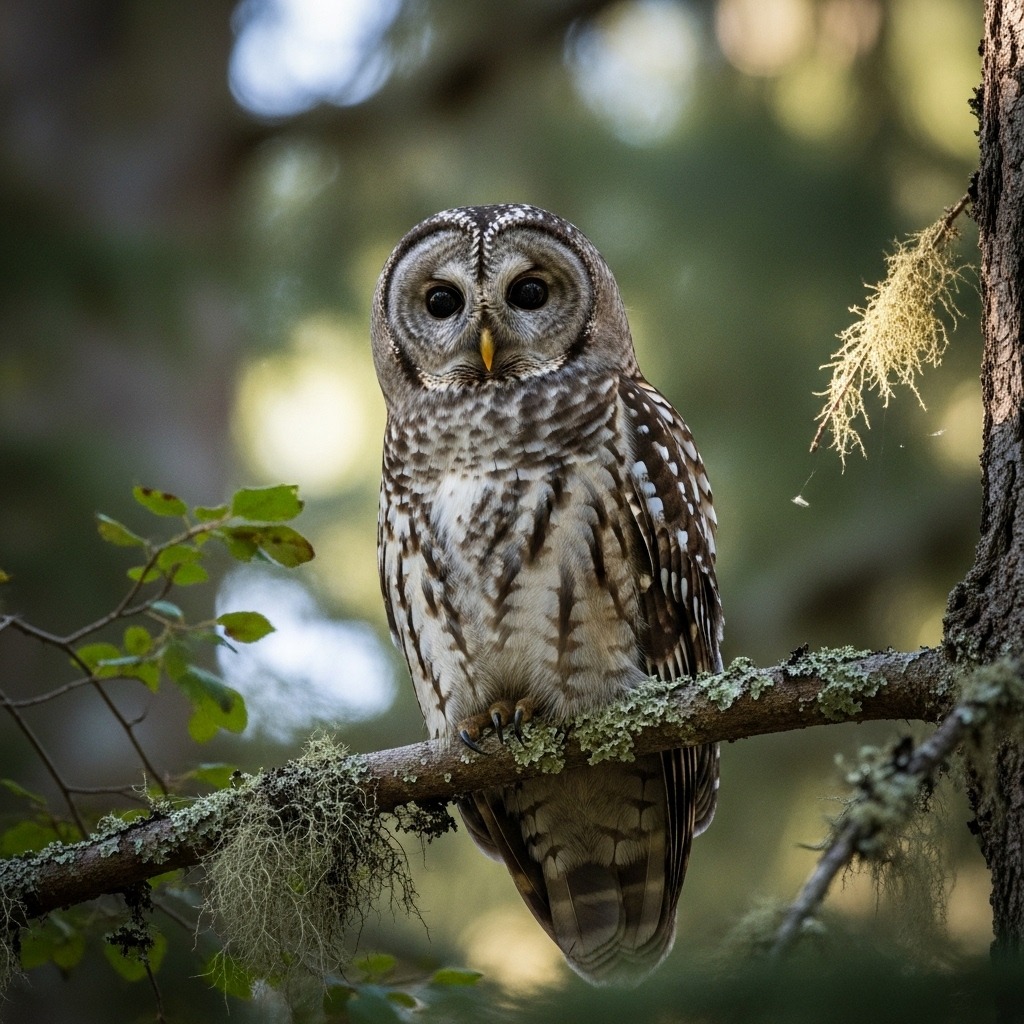
Scientific Classification and Description
The Northern Spotted Owl (Strix occidentalis caurina) belongs to the Strigidae family. Here’s a quick rundown of its key traits:
- Size: Medium-sized owl, about 16–19 inches tall.
- Color: Dark brown feathers with white spots and streaks.
- Eyes: Dark eyes framed by a distinctive facial disc.
- Habitat: Prefers old-growth forests rich in large trees.
These characteristics help it blend seamlessly into its forest environment, making it a master of stealth.
Significance of the Northern Spotted Owl
Why is the Northern Spotted Owl such a big deal? Here are some reasons:
- Ecological Role: As a top predator, it helps maintain the balance of the ecosystem. It controls populations of small mammals and other prey.
- Indicator Species: Its health reflects the state of old-growth forests. If the owl is thriving, the habitat is likely healthy too.
- Conservation Symbol: It represents the struggle for wildlife preservation in North America. Protecting it means protecting its habitat and other species that rely on the same environment.
Understanding the Northern Spotted Owl is crucial for conservation efforts. By focusing on its unique needs and the threats it faces, we can work towards a future where this remarkable owl continues to thrive in its natural habitat.
Habitat Requirements and Distribution
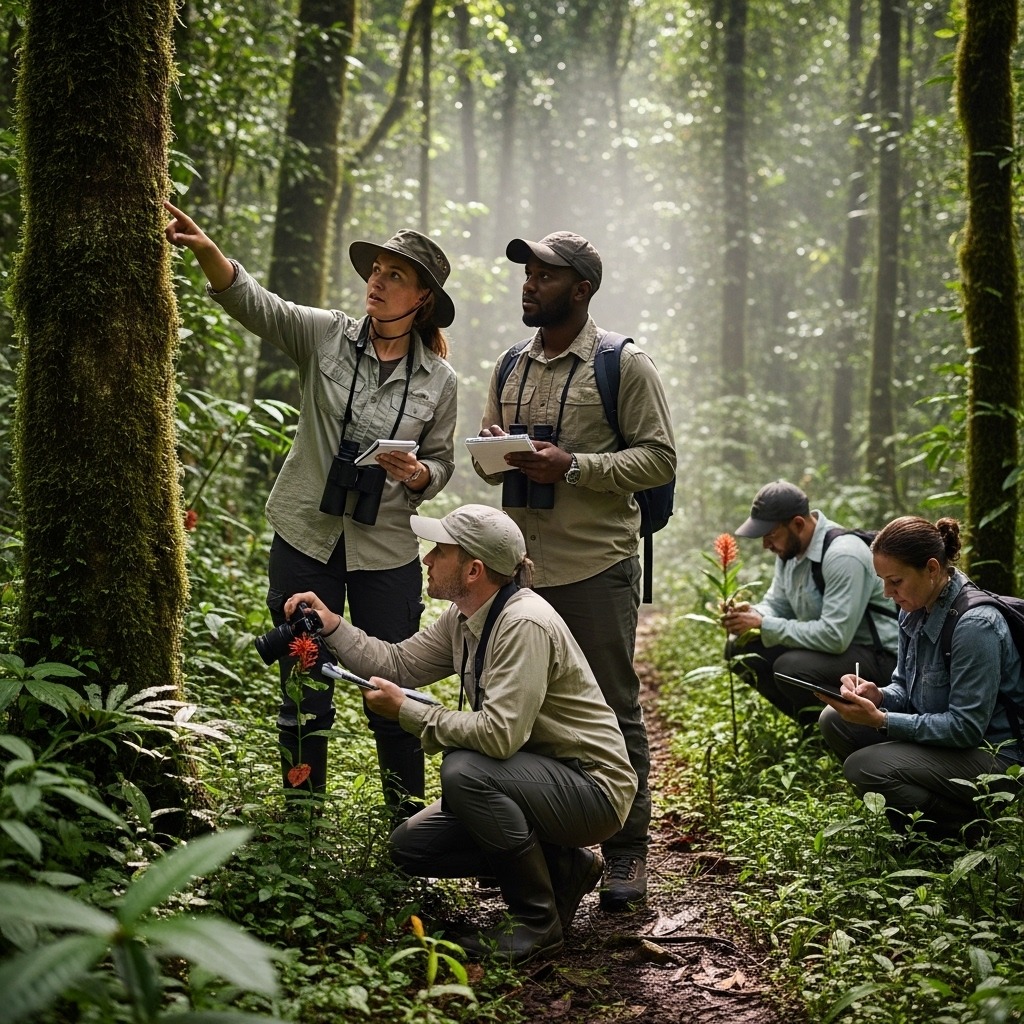
The Northern Spotted Owl has specific habitat needs that are crucial for its survival. These owls thrive in old-growth forests, which provide the perfect environment for their hunting and nesting.
Preferred Forest Types
Northern Spotted Owls prefer:
- Old-Growth Forests: These are mature forests with large trees and a complex structure. They offer plenty of hiding spots and nesting sites.
- Mixed-Conifer Forests: A blend of different tree species creates a rich habitat. This diversity supports a variety of prey.
- Riparian Areas: Forests near water sources are ideal. They provide moisture and attract a range of animals.
These habitats are essential for their hunting strategies. The dense canopy helps them ambush small mammals, like rodents, which are their primary food source.
Geographic Distribution
The Northern Spotted Owl is found primarily in the Pacific Northwest. Its range includes:
- Washington State
- Oregon
- Northern California
This geographical area is characterized by cool, moist environments. The owl’s habitat is shrinking due to logging and urban development.
Current Range Challenges
1. Habitat Loss: Logging activities have reduced old-growth forests significantly.
2. Barred Owl Competition: The encroachment of barred owls adds pressure on the Northern Spotted Owl, leading to competition for resources.
Understanding these habitat preferences helps in conservation efforts. Protecting the right forest types can make a real difference in the owl’s survival. If you’re passionate about wildlife, consider supporting local initiatives that focus on preserving these vital habitats.
Diet and Hunting Strategies

The Northern Spotted Owl is a skilled nocturnal predator. Its diet mainly consists of small mammals. Understanding what it eats and how it hunts is crucial for its conservation.
Main Prey Species
The Northern Spotted Owl has a specific menu. Here are its main prey:
- Northern Flying Squirrels: These are a favorite, making up a significant portion of their diet.
- Woodrats: Another common catch, woodrats provide essential nutrients.
- Red Tree Voles: These little creatures are also frequently hunted.
- Western Red-Backed Voles: These voles are an important food source.
- Deer Mice: Often found in their habitat, these mice are easy targets.
This owl typically feeds on mammals, with small mammals making up over 90% of its diet. In contrast, birds and insects account for a smaller share.
Hunting Techniques
Northern Spotted Owls are expert hunters. They use a few effective strategies:
- Silent Flight: Their feathers are designed to reduce noise, allowing them to sneak up on prey.
- Night Vision: Being nocturnal, they can see well in low light, giving them an advantage over prey.
- Perch and Pounce: They often sit quietly on branches, scanning the ground for movement before swooping down swiftly.
These techniques help them maintain their hunting success. The combination of excellent hearing, sight, and stealth makes them formidable hunters in their old-growth forest habitats.
For a better understanding of their diet dynamics, an infographic showing the relationships between the Northern Spotted Owl and its prey could be helpful.
Reproductive Behavior and Life Cycle
The Northern Spotted Owl has unique reproductive habits that are essential for its survival. Understanding their mating rituals, nesting behaviors, and chick development gives us insight into this endangered species.
Mating and Nesting
Mating season for the Northern Spotted Owl typically begins in late winter. Here’s what happens during this critical time:
- Courtship Displays: Males perform calls and displays to attract females. They often engage in vocal duets, which help strengthen pair bonds.
- Nesting Sites: They prefer old-growth forests for nesting. Trees with cavities or platforms are ideal. These sites provide safety and protection for their young.
- Nesting Behavior: Females usually lay two to three eggs. The eggs are incubated for about 30 days. During this time, the male provides food for the female.
Chick Development and Fledging
Once the eggs hatch, the chick development stages unfold. Here’s a timeline of key milestones:
- Hatching: The chicks are born helpless and rely entirely on their parents for food and warmth.
- Growth Stages:
- Days 1-14: Chicks stay in the nest, growing rapidly. Their feathers start to develop.
- Days 15-30: They begin to exercise their wings and explore the nest area.
- Fledging: Around 30-40 days old, chicks leave the nest and learn to fly. Parents continue to feed them until they can hunt on their own.
These developmental stages are crucial. They help ensure that the young owls gain the skills needed to survive in their old-growth forest habitats.
Conservation Status and Efforts
The Northern Spotted Owl is classified as a threatened species. Its population is declining due to various threats. Conservation efforts are underway to protect this unique owl.
Endangered Species Listing
The Northern Spotted Owl was listed as a threatened species in 1990. This designation highlights the urgency of its situation. The main reasons for its endangered status include:
- Habitat loss due to logging and land development.
- Competition with the invasive Barred Owl.
- Limited reproductive success due to environmental pressures.
These factors contribute to a steady decline in their numbers. Without intervention, their future is at risk.
Conservation Programs and Initiatives
Several conservation programs aim to protect the Northern Spotted Owl and its habitat. Here are some key initiatives:
- Habitat Protection: Laws like the Northwest Forest Plan help safeguard old-growth forests. These forests are vital for the owl’s survival.
- Barred Owl Management: Some programs focus on managing Barred Owl populations. Lethal removal in specific areas has shown positive results. For instance, studies indicate that when Barred Owls were removed, Northern Spotted Owl populations began to rebound.
- Community Engagement: Local communities are encouraged to participate in conservation efforts. Educational programs help raise awareness about the importance of protecting these owls and their habitats.
- Research and Monitoring: Ongoing studies monitor population trends. This data helps improve conservation strategies and adapt to changing environmental conditions.
These programs reflect a commitment to preserving the Northern Spotted Owl. They tackle both immediate challenges and long-term survival strategies.
Threats to Survival
The Northern Spotted Owl faces several significant threats that jeopardize its survival. Understanding these challenges is crucial for effective conservation efforts.
Habitat Loss
Habitat loss is a major concern for the Northern Spotted Owl. These owls depend on old-growth forests for their homes and hunting grounds. Unfortunately, logging and land development have led to a significant reduction in suitable habitats.
- Old-growth forests: Essential for nesting and hunting.
- Logging: Destroys large tracts of forest, reducing available habitat.
- Urban development: Expands into owl territories, fragmenting their living space.
The loss of these forests directly impacts the owl’s ability to thrive. Without adequate habitat, the species struggles to find food and reproduce.
Competition with Barred Owls
Barred Owls are a key threat to the Northern Spotted Owl. These invasive birds have moved into the Spotted Owl’s territory, leading to increased competition for food.
- Diet overlap: Both species hunt similar prey, such as small mammals and birds.
- Behavioral advantages: Barred Owls are more adaptable and have a broader diet. This gives them an edge in competing for resources.
Research shows that as Barred Owl populations increase, Northern Spotted Owl numbers decrease. For example, studies indicate a population decline of up to 90% in some areas due to this competition. This stark comparison highlights the urgent need for management strategies to control Barred Owl populations.
Climate Change Impacts
Climate change poses an additional threat to the Northern Spotted Owl. Changes in temperature and weather patterns affect their habitat and food sources.
- Temperature shifts: Can alter forest ecosystems, impacting prey availability.
- Extreme weather: Increases the risk of forest fires, further destroying habitats.
These changes make it difficult for the Northern Spotted Owl to adapt and survive. Monitoring climate trends is essential for developing effective conservation strategies. It’s vital to prioritize habitats that can withstand these changes to ensure the future of this iconic species.
Comparisons with Other Owl Species
When looking at the Northern Spotted Owl, it’s essential to compare it to other owl species, especially the barred owl. These two owls have distinct behaviors, habitat preferences, and face different threats.
Differences in Habitat Preferences
The Northern Spotted Owl prefers old-growth forests. These areas provide the dense canopy and large trees needed for nesting and hunting. In contrast, the barred owl is more adaptable. It thrives in a variety of habitats, including urban areas and mixed forests.
| Feature | Northern Spotted Owl | Barred Owl |
|---|---|---|
| Preferred Habitat | Old-growth forests | Diverse, including urban areas |
| Nest Sites | Tree cavities in large trees | Tree cavities, but also nests in buildings or other man-made structures |
| Geographical Range | Pacific Northwest | Widespread across North America |
Behavioral Comparisons
Behaviorally, these owls also differ significantly. The Northern Spotted Owl is more solitary and has a specific hunting style. It usually hunts at night and relies on the dense forest for stealth. Conversely, the barred owl is more social. It often hunts in pairs or groups and has a broader diet.
- Hunting Styles:
- Northern Spotted Owl: Silent and stealthy, primarily preying on small mammals like voles and flying squirrels.
- Barred Owl: More vocal and aggressive in hunting, feeding on a mixed diet that includes birds, amphibians, and even the occasional fish.
- Reproductive Behavior:
- Northern Spotted Owl: Typically nests in older trees, and its reproduction is closely tied to the health of its habitat.
- Barred Owl: More flexible in nesting sites and often has more offspring per brood.
Threats to Survival
The introduction of the barred owl is a significant threat to the Northern Spotted Owl. As a more aggressive competitor, the barred owl has led to a decline in the populations of the Northern Spotted Owl. Research shows that without intervention, the Northern Spotted Owl faces a high risk of extinction.
This comparison highlights the unique challenges the Northern Spotted Owl faces. Understanding these differences is crucial for effective conservation strategies.
How to Get Involved in Conservation Efforts
Getting involved in conservation efforts for the Northern Spotted Owl is easier than you might think. Every small action counts and contributes to the survival of this unique species.
Local Conservation Initiatives
Engaging with local groups is a fantastic way to make a difference. Here are some steps you can take:
- Join Local Conservation Groups: Connect with organizations focused on protecting the Northern Spotted Owl and its habitat. They often need volunteers for various tasks.
- Participate in Habitat Restoration: Help with planting native trees and removing invasive species in owl habitats. This directly supports their survival.
- Attend Workshops: Many organizations offer workshops on owl conservation. This is a great way to learn more and meet like-minded people.
National Campaigns
If you want to take your efforts further, consider these national campaigns:
- Support Legislative Efforts: Advocate for policies that protect old-growth forests, essential for the Northern Spotted Owl.
- Share Awareness: Use social media to spread the word about the challenges facing the Northern Spotted Owl. Awareness can lead to action!
- Donate to Conservation Funds: Financial contributions help organizations conduct research and implement conservation programs.
Checklist for Community Involvement
Here’s a quick checklist to guide your engagement:
- [ ] Research local conservation groups.
- [ ] Sign up for volunteer opportunities.
- [ ] Attend community meetings and workshops.
- [ ] Advocate for protective legislation.
- [ ] Share information on social media platforms.
- [ ] Make a donation to a conservation organization.
By taking these steps, you can actively contribute to the conservation of the Northern Spotted Owl and help ensure its survival for future generations.
Frequently Asked Questions
These quick answers cover the most common questions about this topic, including key details, practical tips, and common concerns.
How can I identify a Northern Spotted Owl in the wild?
Northern Spotted Owls are medium-sized, about 16–19 inches tall, with dark brown feathers and distinctive white spots and streaks. They have a rounded facial disc and dark eyes. They are primarily active at night and prefer dense, old-growth forests, making them somewhat elusive to spot. Listening for their deep, resonant calls can also help in identification.
Why is the Northern Spotted Owl endangered?
The species is endangered mainly due to habitat loss from logging and land development. Competition with the invasive Barred Owl has also significantly reduced their numbers. Climate change and environmental disturbances further threaten their survival by degrading their forest habitats.
How do Northern Spotted Owls compare to Barred Owls?
Northern Spotted Owls prefer old-growth forests and are more solitary, hunting mainly at night for small mammals. Barred Owls are more adaptable, inhabiting various forests and even urban areas. They are more vocal, aggressive, and have a broader diet, often outcompeting the Spotted Owl for resources.
When do Northern Spotted Owls breed, and what is their reproductive cycle?
Breeding occurs in late winter. Males perform calls and display to attract females, who nest in large trees with cavities. Females lay 2–3 eggs, incubating them for about 30 days. Chicks hatch helpless and stay in the nest for around 30–40 days before fledging and learning to hunt.
What are the main threats to their survival?
Key threats include habitat destruction from logging and urbanization, competition with Barred Owls, and impacts of climate change such as forest fires and habitat degradation. These factors reduce available nesting sites and prey, making survival increasingly difficult.
How can I help in conservation efforts for the Northern Spotted Owl?
You can support local conservation groups, participate in habitat restoration, and advocate for policies protecting old-growth forests. Raising awareness through social media and donating to conservation organizations also makes a difference. Volunteering for research or educational programs is highly effective.
What should I know about maps of the Northern Spotted Owl’s habitat range?
Their range is primarily in the Pacific Northwest, including Washington, Oregon, and Northern California. These maps show the extent of old-growth forests critical for their survival. Protecting these areas is essential to prevent further population decline.
What are infographics on diet and prey relationships?
Infographics can illustrate the owl’s diet, highlighting key prey like flying squirrels, woodrats, and voles. Visual aids help understand how the owl hunts, its prey preferences, and the importance of healthy forest ecosystems for maintaining prey populations.