
Pine beetles, particularly the mountain pine beetle, pose significant threats to pine forests across North America. These small insects can devastate tree populations, leading to ecological and economic repercussions. Understanding their lifecycle and management strategies is crucial for forest health.
Table of Contents
Lifecycle of the Mountain Pine Beetle
The mountain pine beetle goes through four distinct stages in its lifecycle: egg, larva, pupa, and adult. Each stage plays a crucial role in the beetle’s ability to infest and damage pine trees, particularly lodgepole and ponderosa pines.
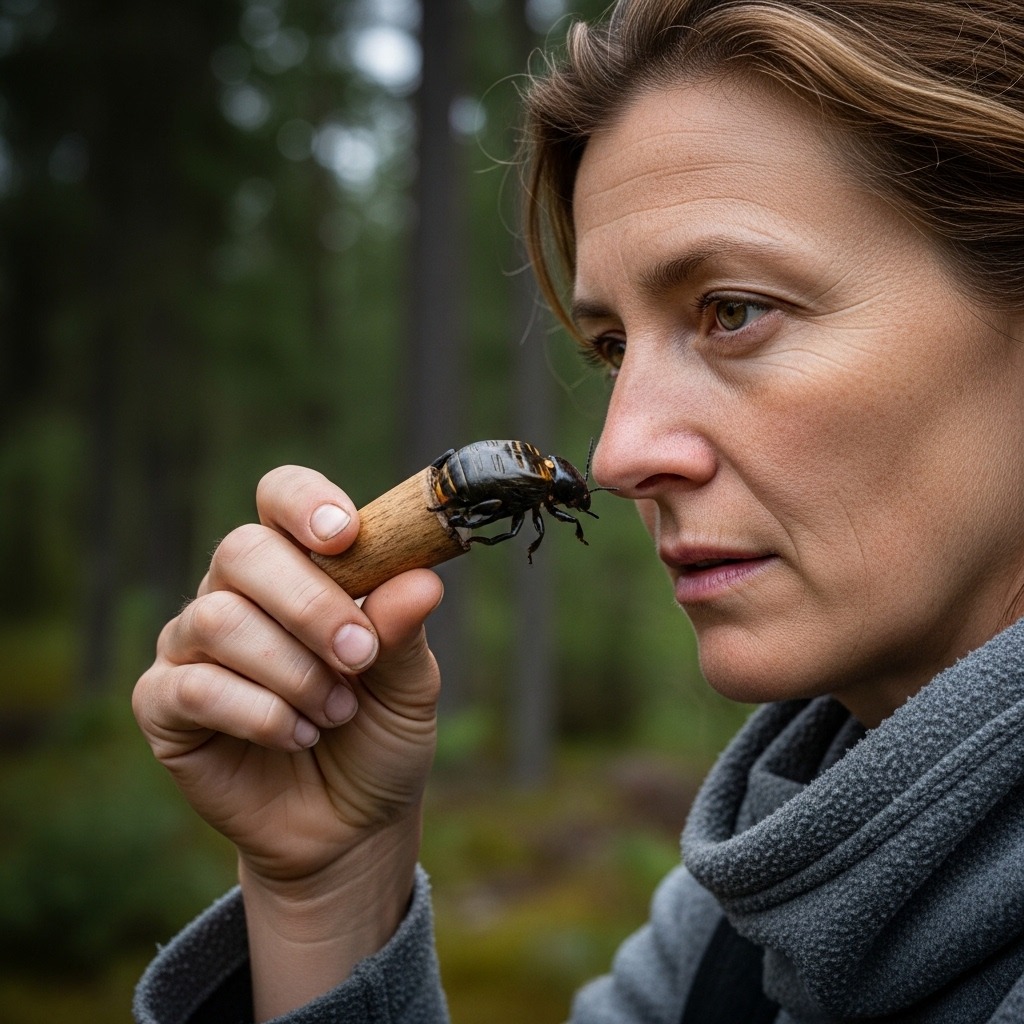
Egg Stage: Starting the Infestation
The lifecycle begins when a female mountain pine beetle finds a suitable tree. She bores into the bark and lays her eggs. This can happen in large numbers, meaning one tree can be home to thousands of eggs.
- Impact: The tree’s defenses are temporarily breached. The beetles release pheromones to attract more beetles, intensifying the attack.
- Symptoms: Look for small holes in the bark and pitch tubes, which are masses of resin where the beetles enter.
Larval Development: Feeding on Trees
Once the eggs hatch, larvae emerge and start feeding on the tree’s inner bark. This stage is critical for the beetle’s survival.
- Impact: The larvae disrupt the tree’s vascular system, which carries water and nutrients. They also introduce the blue stain fungus, blocking these vital pathways.
- Symptoms: Trees begin to exhibit yellowing needles and may produce excess resin as a defense mechanism.
Transition to Adult: Maturation and Impact
After several weeks, the larvae pupate and then emerge as adults. This stage is essential for reproduction and spreading the infestation.
- Impact: Adult beetles are ready to infest new trees, continuing the cycle. They can reproduce rapidly, especially in favorable conditions brought on by climate change.
- Symptoms: Affected trees often turn red or grey, indicating they are dying or dead. You may also see increased bark beetle activity around these trees.
Visual Timeline of the Lifecycle
| Stage | Duration | Key Actions | Tree Impact |
|---|---|---|---|
| Egg | 1-2 weeks | Eggs laid under bark | Breaches tree defenses |
| Larva | 3-4 weeks | Feeding on inner bark | Disrupts nutrient flow |
| Pupa | 1-2 weeks | Transitioning to adult | Tree begins to decline |
| Adult | Lifespan of 1 year | Infesting new trees | Spreads infestation further |
Understanding these stages helps in managing infestations effectively. For instance, monitoring trees for early signs of beetle activity can aid in implementing control measures before significant damage occurs.
Ecological Impact of Pine Beetles
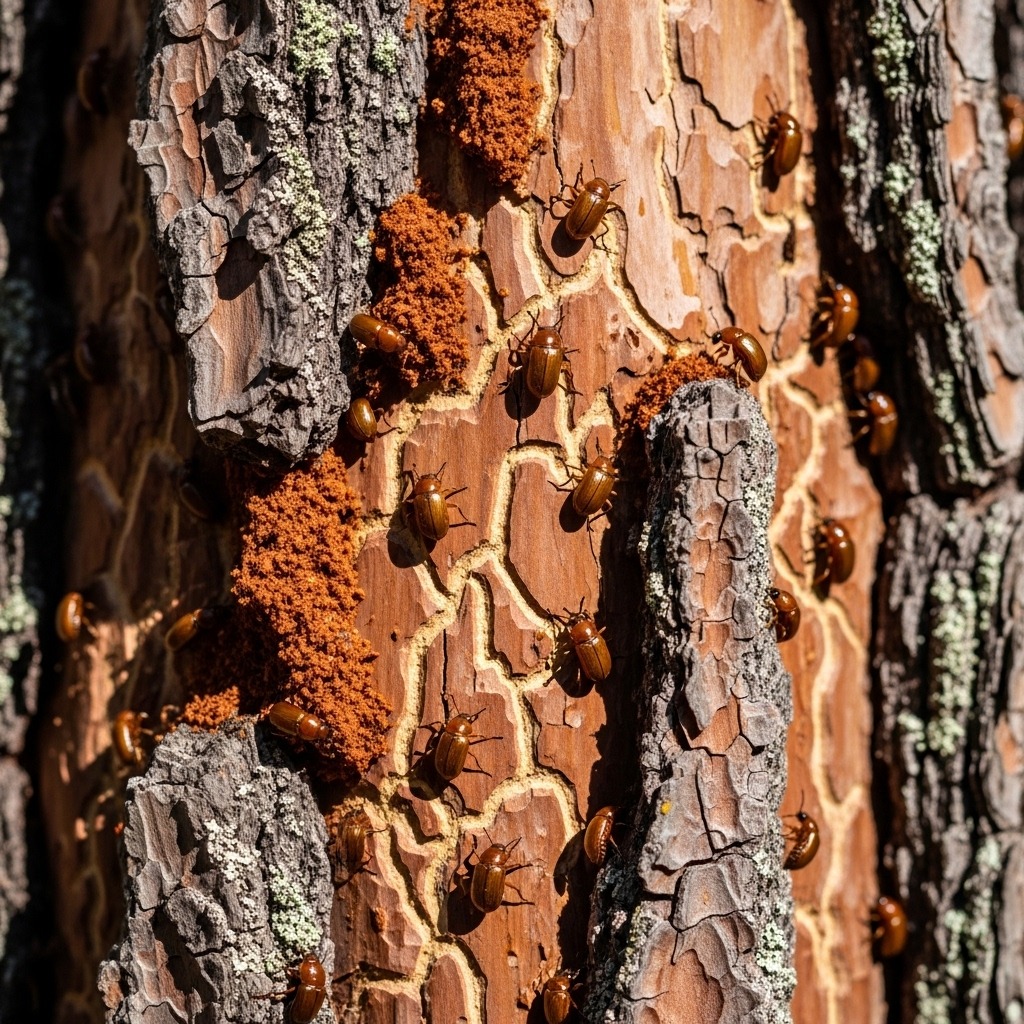
Pine beetles play a complex role in forest ecosystems. They can be both beneficial and detrimental. Let’s break it down.
Natural Role in Forest Dynamics
Pine beetles, especially the mountain pine beetle, are crucial for maintaining healthy forests. They naturally thin out overloaded stands of trees. By targeting older, weakened trees, they promote the growth of younger, healthier ones. This process allows sunlight to reach the forest floor, encouraging diverse plant life.
- Natural Thinning Agent: Helps remove old trees, making space for new growth.
- Habitat Creation: Dead trees, or “snags,” provide homes for various wildlife.
- Nutrient Cycling: As trees die, they contribute to the soil, enriching it for future generations.
However, this role can shift dramatically during outbreaks. When conditions are right, populations can explode, leading to widespread tree mortality.
Consequences of Outbreaks on Forest Health
During an outbreak, the ecological balance shifts. The mountain pine beetle can decimate entire forests. This not only affects trees but also the entire ecosystem.
- Forest Composition Changes: Dominance of younger trees can impact species diversity and forest structure.
- Increased Wildfire Risk: Dead wood from infested trees increases fuel loads, heightening wildfire hazards.
- Carbon Cycling Impact: Decreased tree populations limit forests’ ability to absorb carbon dioxide, affecting climate regulation.
For example, in British Columbia, outbreaks since 1998 have killed millions of acres of lodgepole pines. The lack of severe winters allowed beetle populations to soar, resulting in the loss of vast forest areas. This case highlights the delicate balance between a beetle’s natural role and its potential for destruction.
Understanding these dynamics helps in managing forest health effectively. By monitoring beetle populations and implementing control measures, we can mitigate the adverse effects while allowing the beetle to fulfill its ecological role.
Identifying Symptoms of Infestation
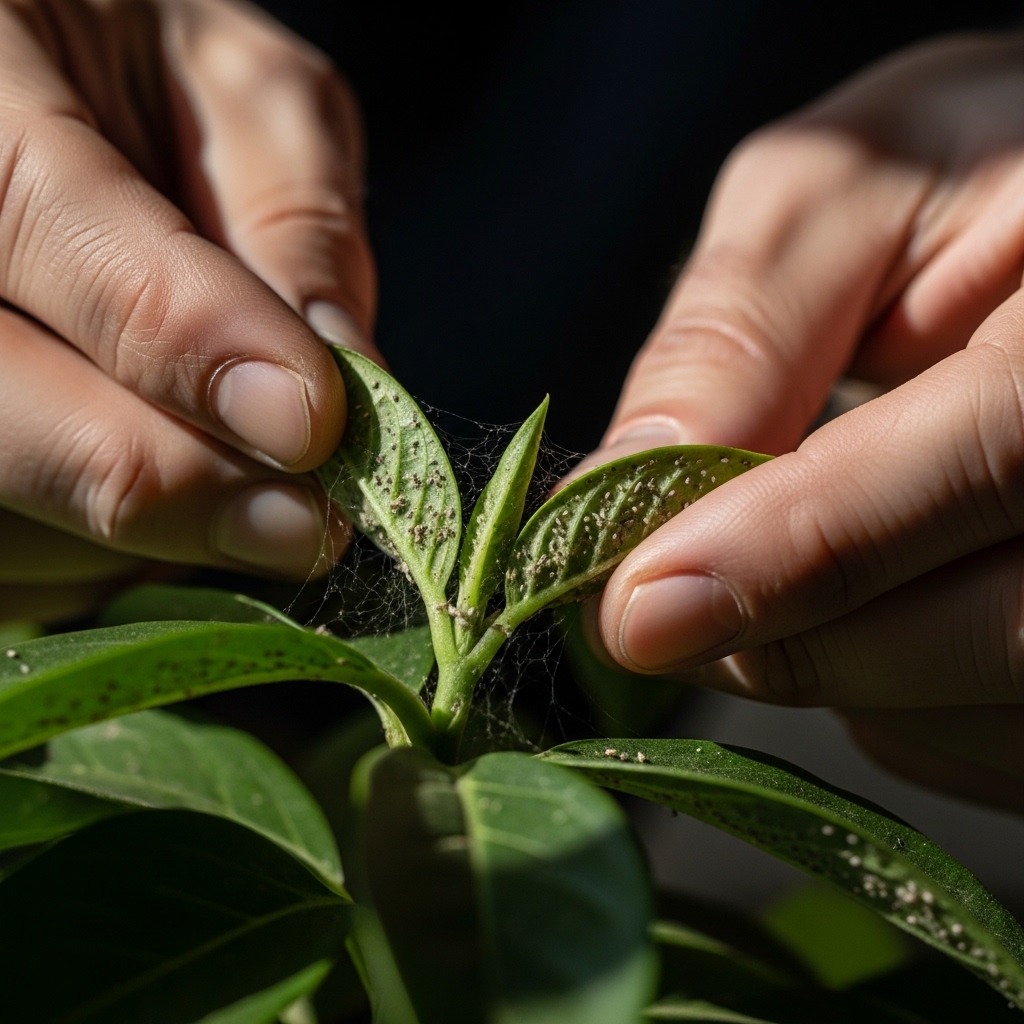
Pine beetle infestations can be tricky to spot early on. Knowing the signs can help you take action before it’s too late. Let’s dive into what to look for!
Visual Signs: What to Look For
Here are the common visual symptoms of a pine beetle infestation:
- Boreholes: Small holes in the bark where beetles have entered.
- Discolored Needles: Needles turning yellow or reddish-brown, indicating stress.
- Pitch Tubes: Yellow or white sap that oozes out, often shaped like a small tube.
- Tree Bark Changes: Look for areas where the bark is peeling or starting to die off.
- Woodpecker Activity: Increased woodpecker activity can signal beetle presence, as they feed on the larvae.
Behavioral Changes in Trees
In addition to visual signs, trees may exhibit behavioral changes:
- Tree Decline: Affected trees will decline in health, often losing vigor and becoming brittle.
- Dying Branches: Watch for branches that die off, usually starting from the top.
- Fungal Growth: Pine trees may develop blue stain fungus, which can indicate beetle activity.
Checklist for Homeowners and Forest Managers
Use this quick checklist to identify potential pine beetle infestations:
- [ ] Look for boreholes in the bark.
- [ ] Check for discolored needles or dying branches.
- [ ] Look for pitch tubes on the bark.
- [ ] Monitor tree health and vigor.
- [ ] Observe increased woodpecker activity.
Having this checklist handy can make it easier to spot early signs of infestation.
Effective Management Strategies for Pine Beetles
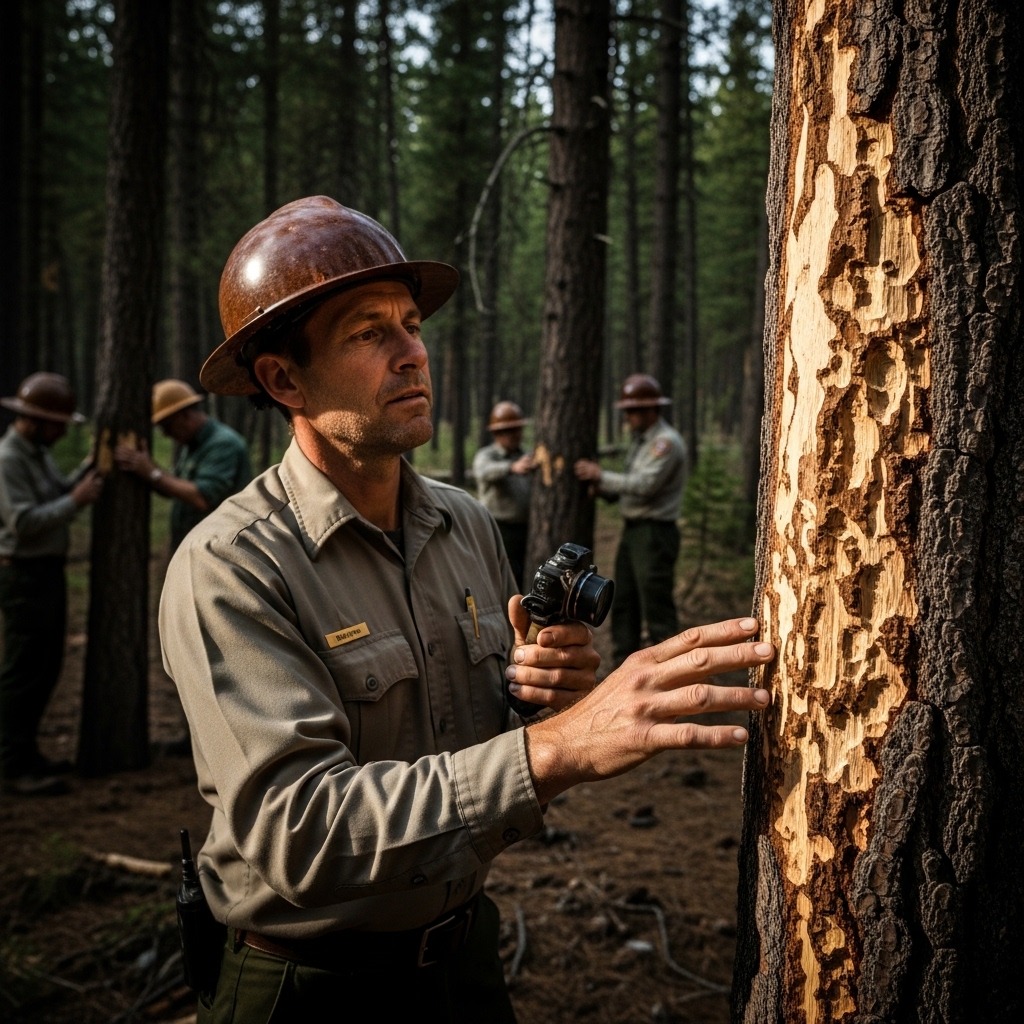
Managing pine beetle infestations is crucial for protecting your trees and forest health. Here’s how you can tackle this issue with effective strategies.
Preventive Measures: Keeping Trees Healthy
The best offense is a good defense. Keeping your trees healthy can help them resist pine beetle attacks. Here are some preventive measures:
- Regular Inspections: Check your trees frequently for signs of stress or damage.
- Proper Care: Water and fertilize your trees adequately, especially during dry spells.
- Thinning: Remove overcrowded trees to improve air circulation and reduce competition for resources.
- Resin Boosting: Consider using biopesticides like chitosan to enhance the tree’s natural defenses. Studies show that this can significantly increase resin production, which helps push beetles out of the tree.
Control Methods: What Works Best?
If you suspect an infestation, it’s time to act. Here’s a look at some effective control methods:
- Tree Removal: Cut down and destroy heavily infested trees to stop the spread.
- Insecticides: Spraying with approved insecticides can help protect high-value trees. However, always check the label for safety guidelines.
- Professional Help: Consulting arborists can provide tailored advice for your specific situation. They can assess tree health and recommend the best course of action.
Decision Framework for Management
Choosing the right management strategy depends on several factors. Here’s a simple decision framework:
1. Tree Health: Are your trees healthy or stressed? Healthy trees can withstand more.
2. Infestation Level: Is it a minor issue or widespread? Major infestations require more aggressive actions.
3. Value of Trees: Are these trees critical to your landscape? High-value trees might need immediate protection.
Using these guidelines can help you make informed decisions about managing pine beetles effectively. Keep an eye on your trees, and don’t hesitate to seek professional help when needed!
Climate Change and Pine Beetle Populations
Climate change is shaking things up for pine beetles. Warmer temperatures and changing weather patterns are giving these little pests a leg up, altering their life cycles and behaviors significantly.
How Warmer Temperatures Affect Life Cycles
Pine beetles thrive in warmer conditions. Research shows that with rising temperatures, their life cycles have sped up. What used to take two years can now happen in just one. This means they can reproduce and infest trees more quickly than ever before.
- Temperature Increase: Average temperatures have risen, particularly in the Rocky Mountains, creating ideal conditions for beetle survival.
- Faster Reproduction: A single warm season can lead to multiple generations of beetles, increasing their population exponentially.
For example, if a healthy tree can withstand a small beetle attack, a sudden surge in beetle numbers due to warmer weather can overwhelm it, leading to widespread tree death.
Implications for Forest Management Practices
The changing dynamics of pine beetle populations necessitate quick adjustments in forest management strategies. Here are some key considerations:
- Monitoring: Regularly check for signs of infestation, especially in areas with higher temperatures.
- Tree Selection: Focus on planting diverse species to create a more resilient forest. Healthy trees are less attractive to beetles.
- Response Plans: Develop rapid response strategies for outbreaks. For instance, if an infestation is detected, consider aggressive thinning of affected areas to reduce beetle populations.
A case study from Colorado shows that proactive management can reduce infestations by up to 40%. By enhancing tree defenses, such as using biopesticides like chitosan, forests can push back against these pests effectively.
In summary, the interplay between climate change and pine beetle populations is significant. Understanding this relationship is key for effective forest management and ensuring the health of our pine ecosystems.
Comparing Pine Beetles: Mountain vs. Other Species
When it comes to bark beetles, the mountain pine beetle (MPB) is often the star of the show. But how does it stack up against its cousins? Let’s dive into the similarities and differences between the mountain pine beetle and other bark beetle species.
Similarities in Infestation Behavior
- Target Trees: Like other bark beetles, the mountain pine beetle prefers weakened or stressed trees. It targets trees that are less able to defend themselves, especially during drought conditions.
- Mass Attacks: MPBs, just like other bark beetles, release pheromones to signal others to join the attack. This can lead to hundreds or thousands of beetles overwhelming one tree.
- Life Cycle: Most bark beetles, including the MPB, undergo similar life cycles. They lay eggs beneath the bark, and the larvae feed on the tree’s vascular tissue.
Differences in Ecological Impact
| Aspect | Mountain Pine Beetle | Other Bark Beetle Species |
|---|---|---|
| Tree Species Affected | Primarily targets lodgepole and ponderosa pines. | Can affect a wider range of trees, including spruce and fir. |
| Infestation Scale | Known for massive infestations, leading to extensive tree mortality. | Generally localized outbreaks, but some can still be severe. |
| Reproductive Rate | Can double its life cycle in warmer conditions, leading to quicker population booms. | Reproductive rates vary; some species have slower cycles. |
| Ecosystem Role | Often leads to significant ecological shifts, creating dead wood habitats. | May not cause drastic changes in ecosystem dynamics. |
Regional Variations in Behavior
Different regions can see variations in how pine beetles behave. For example, in British Columbia, the mountain pine beetle has thrived in warmer winters, while other species might not adapt as well. Understanding these regional differences helps in crafting effective management strategies.
- British Columbia: The MPB has devastated lodgepole pine forests due to milder winters allowing for higher survival rates.
- Colorado: While MPBs are still a threat, other bark beetles may target spruce trees more frequently here.
By understanding these comparisons, forest managers can better anticipate and respond to bark beetle outbreaks in their areas.
Frequently Asked Questions
These quick answers cover the most common questions about this topic, including key details, practical tips, and common concerns.
How long does it take for a pine beetle to kill a pine tree?
The time varies depending on the tree’s health and environmental conditions. Typically, a pine beetle infestation can kill a tree within one to three years after initial attack. The process accelerates in warmer climates or during climate change-driven outbreaks, leading to faster tree mortality.
Are pine beetles harmful?
Yes, pine beetles are harmful to pine forests. They cause widespread tree mortality, which can lead to ecological imbalance, increased wildfire risk, and economic losses. While they play a natural role in forest ecosystems, outbreaks can be destructive when unchecked.
How do you kill pine beetles?
Control methods include removing and destroying infested trees, applying insecticides to high-value trees, and using biological agents like natural predators or biopesticides such as chitosan. Early detection and targeted treatments are most effective.
Are pine beetles still a problem in Colorado?
Yes, pine beetles, especially the mountain pine beetle, continue to be a concern in Colorado. Warmer winters and climate change have facilitated outbreaks, leading to significant tree mortality in certain regions. Ongoing forest management efforts aim to control their spread.
What are the signs of a pine beetle infestation?
Signs include small holes in the bark (boreholes), discolored needles (yellow or red), pitch tubes on the bark, and increased woodpecker activity. Affected trees often show needle loss, bark peeling, and overall decline in health.
How can I prevent pine beetles from attacking my trees?
Maintain tree health through proper watering, fertilization, and pruning. Thin overcrowded stands to improve air circulation. Consider using natural deterrents like biopesticides that boost resin production, which helps trees resist beetle attacks.
What role do pine beetles play in forest ecosystems?
Pine beetles contribute to natural forest renewal by removing old or weakened trees. This process promotes new growth, creates habitats for wildlife, and recycles nutrients. However, during outbreaks, their impact can become destructive and alter forest composition.
Are there natural predators of pine beetles?
Yes, several predators naturally control pine beetle populations, including certain species of woodpeckers, beetles, and parasitic wasps. These predators help keep outbreaks in check but may be overwhelmed during large infestations.
What should I do if I find pine beetles in my trees?
If you notice signs of infestation, act quickly by removing and destroying affected trees to prevent spread. Consult with arborists or forestry professionals for targeted control options. Early intervention can save healthy trees and limit damage.
What should readers know about visual aids for identifying beetle damage?
Visual aids such as diagrams or photos can help distinguish pine beetle damage from other tree issues. Look for boreholes, pitch tubes, needle discoloration, and bark changes. Recognizing these signs early is key to effective management.