
Pokeweed and milkweed can often be confused due to their similar appearances. However, these plants have significant differences in their characteristics, uses, and ecological roles. Understanding how to identify them is crucial for safety and gardening choices.
Understanding the Key Differences Between Pokeweed and Milkweed
Pokeweed and milkweed may look alike, but they have some key differences. Knowing how to tell them apart can keep you safe and help you make better gardening choices.
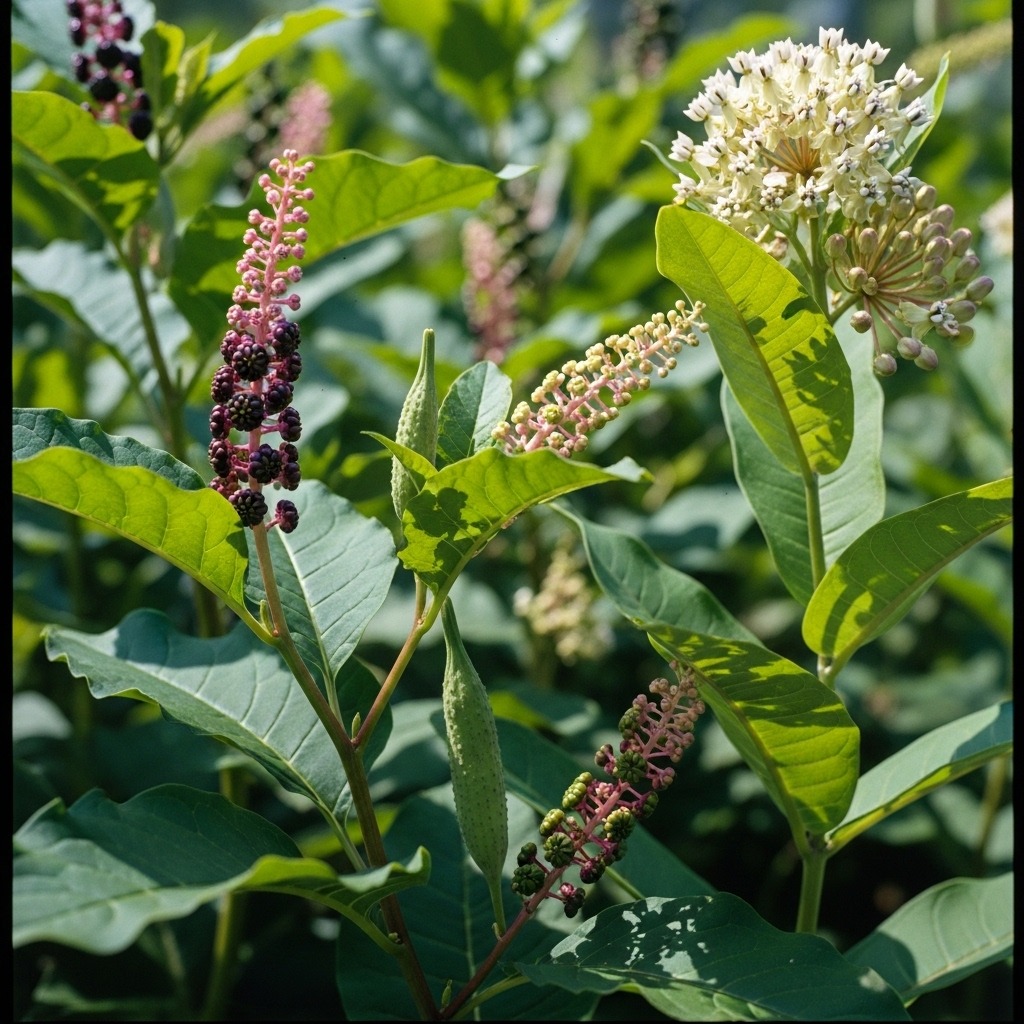
Physical Characteristics of Pokeweed
Pokeweed (Phytolacca americana) has some distinct features. Here’s what to look for:
- Stems: Typically purplish-red and smooth.
- Leaves: Large, oval, and arranged alternately on the stem.
- Flowers: Small, white or greenish, arranged in clusters.
- Berries: Dark purple, resembling small grapes, and very toxic.
Physical Characteristics of Milkweed
Milkweed (genus Asclepias) is equally fascinating. Here’s how to identify it:
- Stems: Usually green or slightly purple, with a milky sap when broken.
- Leaves: Long, narrow, and sticky to the touch.
- Flowers: Clusters of pink, orange, or white blooms, often attracting butterflies.
- Pods: Long, pod-like fruits that split open to release silky seeds.
Habitat Preferences
Both plants thrive in different environments:
- Pokeweed: Prefers disturbed areas like roadsides and gardens. It can grow in various soil types.
- Milkweed: Commonly found in meadows and fields. It loves sunny spots and well-drained soil.
Quick Comparison Chart
| Feature | Pokeweed | Milkweed |
|---|---|---|
| Stem Color | Purplish-red | Green or slightly purple |
| Leaf Shape | Oval | Long and narrow |
| Flower Color | White/greenish | Pink, orange, or white |
| Berry Type | Dark purple, toxic | Seed pods with silky hairs |
| Habitat | Disturbed areas | Meadows and sunny fields |
Key Takeaway
If you’re unsure, remember this: pokeweed is toxic and has dark berries, while milkweed supports butterflies and produces pods. Always exercise caution when identifying these plants, especially if you have kids or pets around!
The Ecological Importance of Milkweed
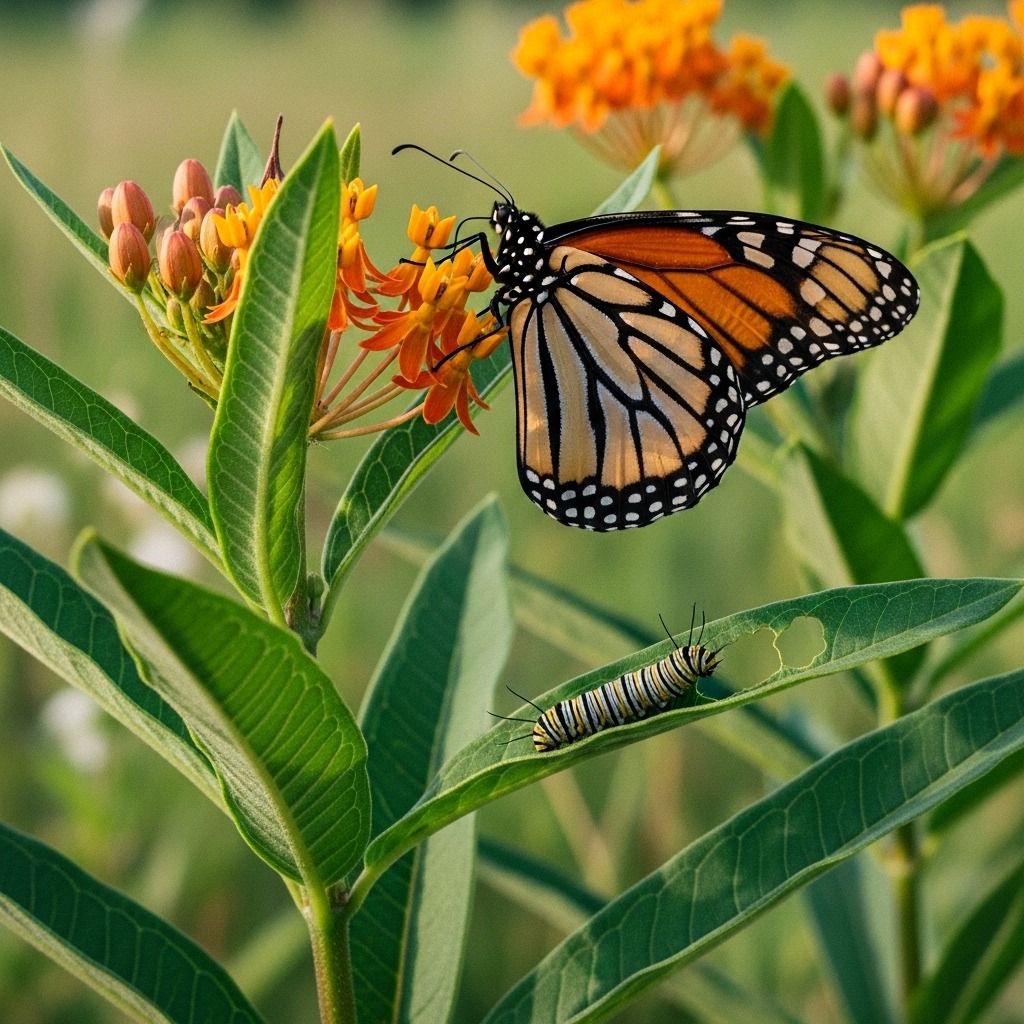
Milkweed is more than just a pretty plant. It plays a crucial role in supporting our ecosystem, especially for monarch butterflies. These butterflies depend on milkweed for survival. Without it, their population faces serious risks.
Table of Contents
Milkweed’s Role in the Monarch Butterfly Lifecycle
Milkweed is the sole food source for monarch caterpillars. Here’s how it works:
- Caterpillar Stage: Monarch caterpillars munch on milkweed leaves. They ingest toxins from the plant, making them unappealing to predators.
- Adult Butterflies: The toxins stay with the butterflies, providing them protection against birds and other threats.
The decline in milkweed has led to a staggering 80% drop in monarch butterfly populations over recent decades. Planting milkweed can help reverse this trend and support these beautiful creatures.
Other Pollinators and Biodiversity
Milkweed is not just for monarchs. It attracts various pollinators, including bees and other butterflies. This boosts local biodiversity, which is essential for healthy ecosystems.
Here’s why you should consider planting milkweed:
- Supports Monarchs: Essential for their lifecycle.
- Attracts Pollinators: Helps other beneficial insects thrive.
- Enhances Biodiversity: Promotes a balanced ecosystem.
By nurturing milkweed in your garden, you contribute to a healthier environment. Plus, you get to enjoy the beauty of butterflies fluttering around!
Dangers and Toxicity of Pokeweed
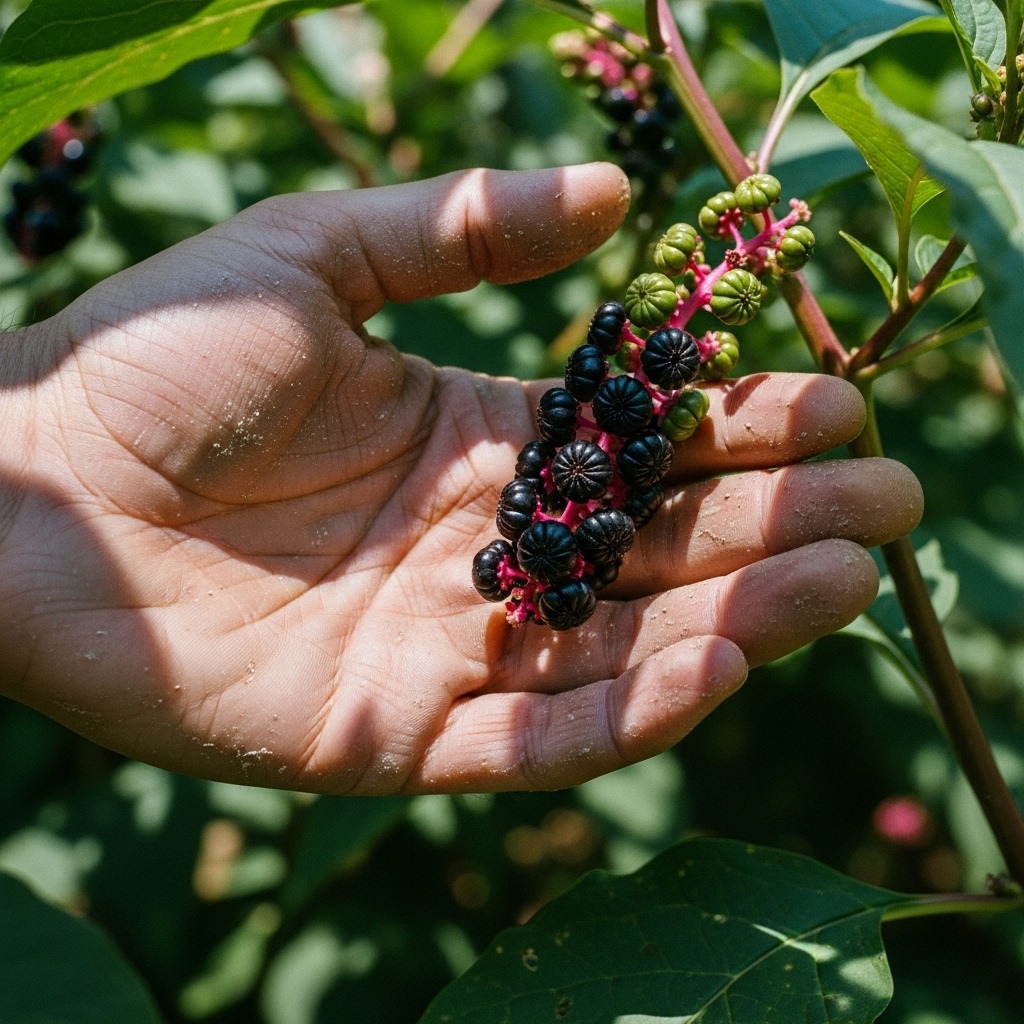
Pokeweed is a beautiful plant, but it comes with serious risks. Knowing its toxic properties can help keep you and your pets safe.
Toxic Parts of Pokeweed
All parts of the pokeweed plant are toxic, especially when young. Here’s a breakdown:
- Leaves and Stems: These are most toxic when the plant is young. Ingesting them can lead to severe symptoms.
- Berries: While mature berries are less toxic, they can still cause harm, especially to children and pets.
Symptoms of Poisoning and First Aid
If someone ingests pokeweed, it can lead to gastrointestinal distress. Symptoms may include:
- Nausea
- Vomiting
- Diarrhea
- Abdominal pain
In severe cases, it can cause respiratory failure or even death. If you suspect pokeweed poisoning, seek medical help immediately. Do not induce vomiting unless instructed to do so.
Common Myths About Pokeweed
Many people believe pokeweed berries are safe to eat. This is a dangerous myth! Always remember:
- Fact: Pokeweed is toxic. No part of the plant is safe for human consumption.
- Caveat: Even small amounts can cause serious health issues, especially in children.
What to Do If Someone Ingests Pokeweed
In case of ingestion, here’s a quick checklist:
1. Call Poison Control: Get expert advice immediately.
2. Monitor Symptoms: Watch for any severe reactions.
3. Do Not Wait: If symptoms occur, seek medical attention right away.
By understanding the risks associated with pokeweed, you can differentiate it from the harmless milkweed and keep your garden safe.
Practical Tips for Managing Pokeweed in Your Garden
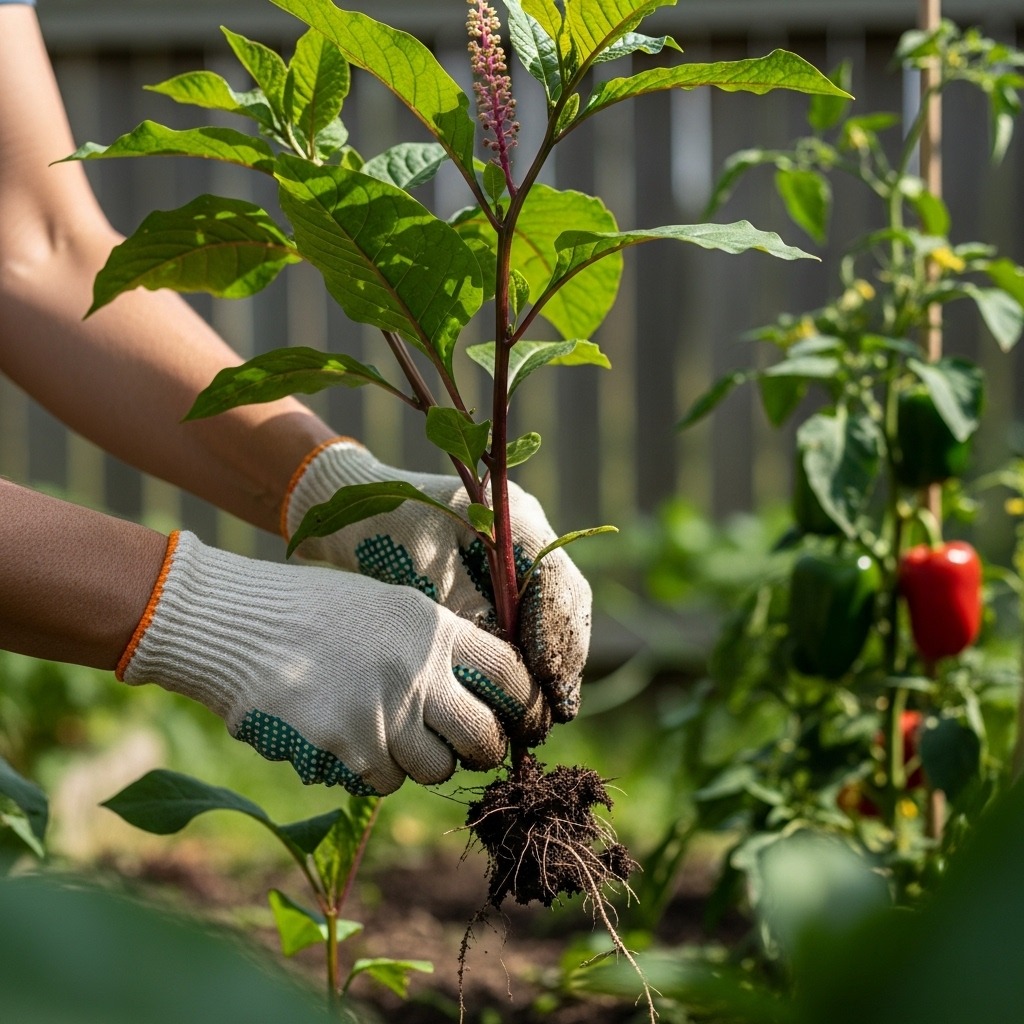
Pokeweed can be a real nuisance in your garden. Its invasive nature makes it crucial to identify and remove it before it takes over. Here are some practical tips to help you manage pokeweed safely.
Identification and Removal Techniques
Knowing how to spot pokeweed is the first step. Here’s a quick checklist to help you identify it:
- Stem Color: Look for purplish-red stems.
- Leaves: The leaves are large, oval, and smooth-edged.
- Berries: Pokeweed produces clusters of dark purple berries that look like grapes.
Once identified, here’s how to safely remove pokeweed:
1. Wear Gloves: Always wear gloves when handling pokeweed. Its sap can irritate skin.
2. Dig It Out: Use a spade to dig up the entire root. Make sure to get as much of the root as possible to prevent regrowth.
3. Dispose Properly: Do not compost pokeweed. Instead, place it in a sealed trash bag to prevent it from spreading.
Alternatives to Pokeweed
If you’re looking for plants to fill the space left by pokeweed, consider these alternatives:
- Milkweed: Not only beautiful, but it also attracts monarch butterflies. This plant supports biodiversity in your garden.
- Native Wildflowers: These can provide a similar aesthetic without the invasiveness of pokeweed.
By removing pokeweed and replacing it with beneficial plants, you can create a safer and more enjoyable garden space.
Final Thoughts on Pokeweed and Milkweed
Understanding the differences between pokeweed and milkweed is crucial for safety and supporting local ecosystems. Let’s break it down.
Key Identification Features
| Feature | Pokeweed | Milkweed |
|---|---|---|
| Stem Color | Purplish-red | Green or slightly purple |
| Fruit | Dark purple clusters (berries) | Long, pod-like fruits |
| Sap | No sap | White, milky sap |
| Leaves | Broad, alternate leaves | Lance-shaped, whorled leaves |
Toxicity Information
- Pokeweed: All parts are toxic if ingested. Symptoms include nausea and vomiting. Always wear gloves when handling.
- Milkweed: While it’s non-toxic to humans, it can be harmful to pets. The sap can irritate skin, so handle with care.
Ecological Importance
Milkweed plays a vital role in our environment. It is the primary food source for monarch caterpillars. By planting milkweed, you support these beautiful butterflies and promote biodiversity in your garden. Pokeweed, while often seen in nature, is invasive and can disrupt local ecosystems.
Practical Advice for Garden Management
If you spot pokeweed in your garden, act quickly. Remove it safely and consider replacing it with milkweed. Not only will you beautify your space, but you’ll also create a habitat for pollinators.
Common Misconceptions
Many believe pokeweed’s berries are safe to eat when ripe. This is a myth! Always keep children and pets away from pokeweed. In contrast, milkweed’s flowers are beneficial for pollinators and safe to have around.
By knowing these differences, you can enjoy your garden while ensuring safety and supporting local wildlife.
Frequently Asked Questions
These quick answers cover the most common questions about this topic, including key details, practical tips, and common concerns.
What should I do if I touch pokeweed?
If you touch pokeweed, wash your skin thoroughly with soap and water to remove any sap. Although skin contact is unlikely to cause serious harm, the plant’s sap can cause skin irritation or rash in sensitive individuals. If you experience redness, itching, or a rash, apply a soothing lotion and monitor for any signs of allergic reaction. Wear gloves and protective clothing when handling pokeweed to prevent skin contact in the future.
What’s the difference between pokeweed and milkweed?
Pokeweed (Phytolacca americana) has purplish-red stems, large oval leaves, and dark purple berries. It produces white or greenish flowers and is toxic if ingested. Milkweed (Asclepias species) has green or slightly purple stems, narrow lance-shaped leaves, and produces pods with silky seeds. It contains milky sap and is crucial for monarch butterflies. Visual cues like berry color and sap type help distinguish them.
Can you get a rash from milkweed?
Yes, handling milkweed can cause skin irritation or rash in some people due to its milky sap. It’s best to wear gloves when touching the plant, especially if you have sensitive skin. The sap can also cause eye irritation if it gets into your eyes. While milkweed is generally safe for pollinators and humans when handled properly, avoid ingestion and wash your hands after contact.
Does milkweed get rid of warts?
There is no scientific evidence to support that milkweed can get rid of warts. This is a common myth. Milkweed is mainly valued for its ecological role in supporting butterflies and pollinators. If you have warts, consult a healthcare professional for appropriate treatments instead of relying on plants like milkweed.
How can I safely remove pokeweed from my garden?
Wear heavy gloves, long sleeves, and eye protection before attempting removal. Dig out the entire root system with a shovel or garden fork to prevent regrowth. Dispose of the plant in sealed trash bags—do not compost it, as pokeweed can spread. Regular monitoring and removal of new shoots will help control its spread, especially in disturbed areas.
What are the benefits of planting milkweed?
Planting milkweed supports monarch butterfly populations by providing their essential food source for caterpillars. It also attracts other pollinators like bees and butterflies, enhancing garden biodiversity. Milkweed adds visual interest with its colorful flowers and seed pods. It’s a native plant that promotes ecological balance and helps combat the decline of pollinator species.
Are there any edible parts of pokeweed?
While some traditional recipes use young pokeweed shoots after proper preparation, it is highly toxic if not prepared correctly. The leaves and stems contain toxins that can cause severe illness or death if ingested improperly. Due to the risks, it’s safest to avoid eating pokeweed unless you have expert guidance and are experienced in safe preparation methods.
How do I attract monarch butterflies to my garden?
Plant a variety of milkweed species, such as Asclepias syriaca or Asclepias tuberosa, in sunny, well-drained areas. Avoid pesticides, which can harm caterpillars and butterflies. Provide nectar sources like goldenrod or asters for adult monarchs. Creating a diverse habitat with native plants encourages monarchs to lay eggs and complete their lifecycle in your garden.