
The rough-skinned newt (Taricha granulosa) is a toxic amphibian found in North America, known for its distinctive appearance and potent tetrodotoxin. This guide covers essential facts, habitat, diet, and toxicity, providing a comprehensive overview of this fascinating species.
Understanding the Rough-Skinned Newt
The rough-skinned newt is a fascinating amphibian, known for its striking appearance and potent toxicity. Let’s dive into its scientific classification and unique characteristics.
Scientific Classification and Identification
The rough-skinned newt belongs to the family Salamandridae. Here’s a quick look at its classification:
- Kingdom: Animalia
- Phylum: Chordata
- Class: Amphibia
- Order: Caudata
- Family: Salamandridae
- Genus: Taricha
- Species: Taricha granulosa
This classification places the rough-skinned newt among other salamanders, but it’s its toxicity that sets it apart.
Physical Description and Characteristics
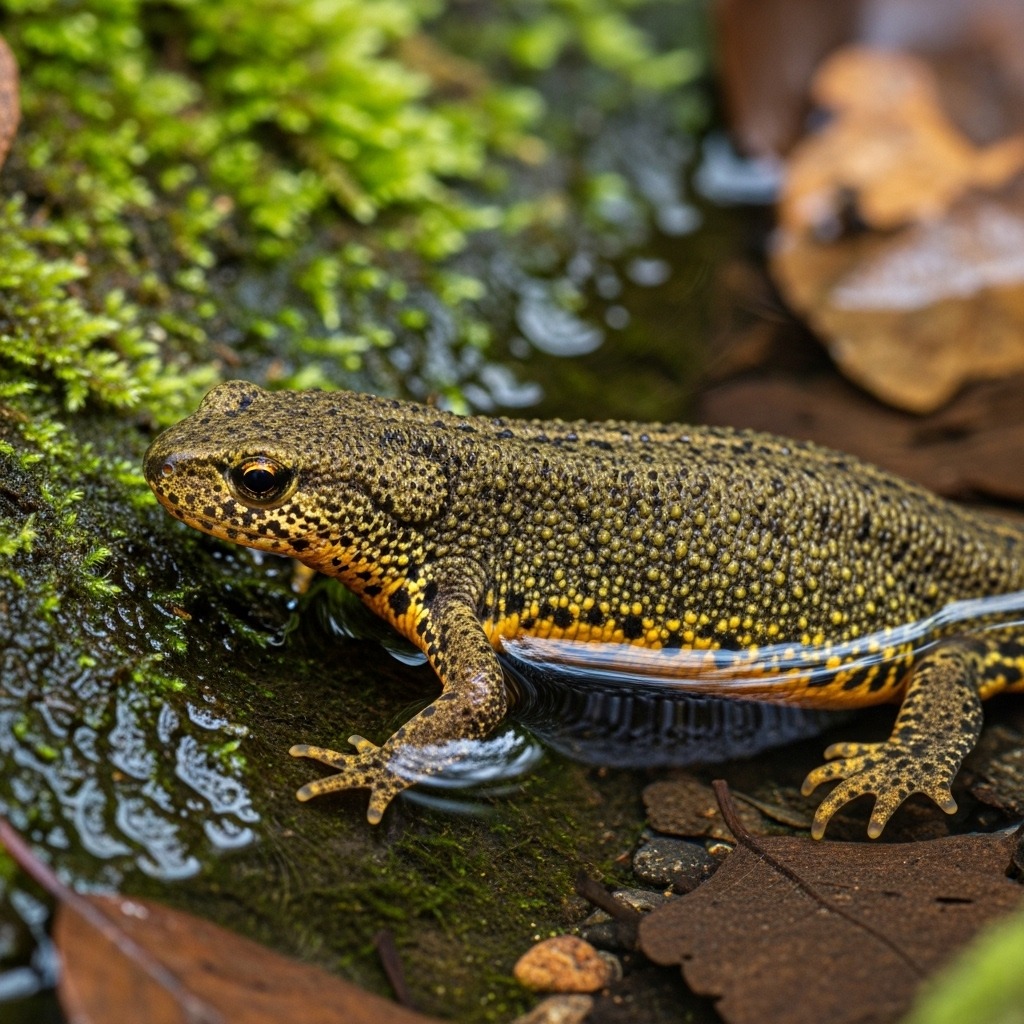
Rough-skinned newts are easily recognizable. They typically feature a warty, rough skin texture, giving them their name. Here are some key physical traits:
- Color: Generally brown to olive green, often with a yellow or orange belly.
- Size: Adults usually measure between 6 to 8 inches in length.
- Eyes: Prominent, with a dark iris.
- Limbs: Short and sturdy, ideal for their terrestrial lifestyle.
Their vibrant belly color serves a purpose. It acts as a warning to predators about their toxicity.
Toxicity and Defense Mechanisms
Rough-skinned newts are famous for their skin secretions containing tetrodotoxin. This potent neurotoxin can be lethal to many animals, including humans, if ingested in sufficient quantities. Here’s why this toxicity is significant:
Table of Contents
- Predator Deterrent: The toxin deters most predators. However, some, like the common garter snake, have evolved resistance to it.
- Evolutionary Arms Race: This relationship showcases an evolutionary arms race. As newts developed their toxin, some snakes adapted to eat them safely. This dynamic is a prime example of co-evolution.
The newt’s unken reflex adds another layer of defense. When threatened, it curls its tail over its body, exposing its bright underbelly. This display signals danger to potential predators.
In summary, the rough-skinned newt is a remarkable species with a unique combination of appearance and toxicity, shaping its interactions within the ecosystem.
Habitat and Distribution of Rough-Skinned Newts
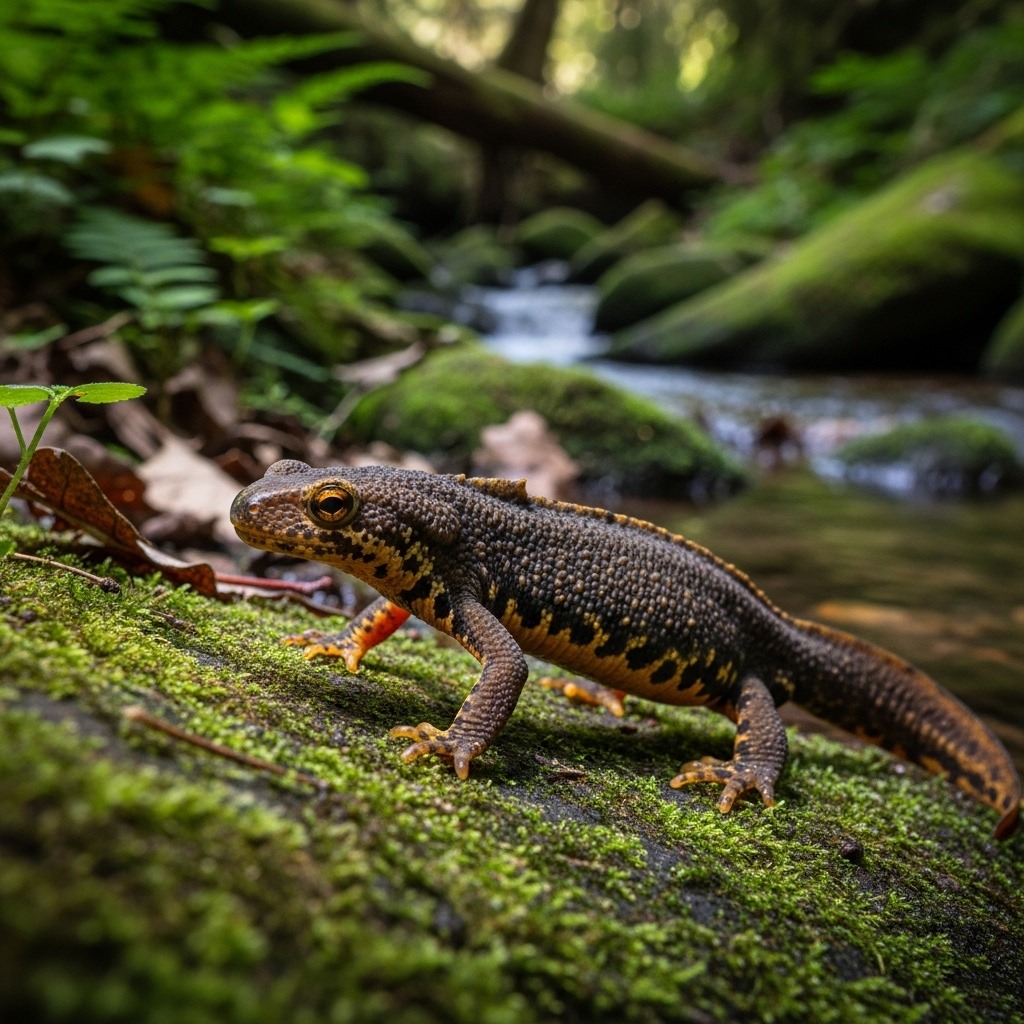
Rough-skinned newts thrive in diverse environments along the Pacific coast of North America. They prefer moist habitats that support their life cycle and are often found near water sources.
Geographic Range
Rough-skinned newts, or Taricha granulosa, have a wide range. They stretch from Santa Cruz County in California, up through Oregon and Washington, all the way to southeastern Alaska. Here’s a quick breakdown of their geographic distribution:
- California: Santa Cruz County to northern Butte County.
- Oregon: Coastal wetland areas and moist forests.
- Washington: Found in similar habitats, often near ponds and streams.
- Alaska: Extends to Juneau and surrounding areas.
Preferred Habitats
These newts favor specific types of habitats:
- Aquatic Environments: Freshwater lakes, ponds, and slow-moving streams.
- Terrestrial Areas: Moist forests, meadows, and grasslands.
- Breeding Sites: They return to water bodies for breeding, often migrating from terrestrial habitats.
The rough-skinned newt’s habitat needs are influenced by moisture levels and temperature. They require wet conditions for skin health and reproduction.
Environmental Threats
Unfortunately, rough-skinned newts face several threats due to environmental changes:
- Habitat Loss: Urban development and agriculture reduce their natural habitats.
- Pollution: Chemicals from farming and industry can contaminate their aquatic environments.
- Climate Change: Altered rainfall patterns and temperatures can impact their breeding cycles and food sources.
Conservation efforts are underway to help protect these unique habitats. Initiatives include establishing protected zones and reducing pollution in their environments. These steps are crucial to ensuring that rough-skinned newts continue to thrive in their native habitats.
Diet and Feeding Habits

Rough-skinned newts have a diverse diet that varies with their life stages and environment. They are opportunistic feeders, meaning they consume whatever is available. This adaptability is key to their survival.
Primary Food Sources
In their aquatic phase, rough-skinned newts primarily eat:
- Worms
- Insect larvae
- Crustaceans
On land, they switch to a diet consisting of:
- Insects
- Slugs
These food choices reflect their ability to thrive in different habitats. The availability of prey plays a significant role in their diet.
Feeding Behavior
Rough-skinned newts are known for their unique feeding strategy. They often move slowly and deliberately, allowing them to sneak up on their prey. When the moment is right, they strike with a quick snapping motion of their jaws. This technique minimizes energy use while maximizing hunting success.
Interestingly, rough-skinned newts are both predators and prey in their ecosystems. They play a vital role in controlling insect populations while also being a food source for certain predators. Garter snakes, for example, have evolved a resistance to the newts’ potent toxin, tetrodotoxin, allowing them to consume these amphibians. This predator-prey relationship highlights the intricate balance of nature and the ongoing evolutionary arms race between the newts and their predators.
Toxicity: Understanding Tetrodotoxin

Rough-skinned newts are famous for producing a potent toxin called tetrodotoxin. This chemical is not just a fancy word; it’s a serious defense mechanism that affects both predators and humans.
What is Tetrodotoxin?
Tetrodotoxin is a neurotoxin. It blocks sodium channels in nerve cells, leading to paralysis and, in severe cases, death. Here are some key points:
- Production: Newts have specialized glands in their skin that produce tetrodotoxin.
- Variability: The amount of toxin can vary based on geographic location. Some populations have extremely high levels, while others may have less.
- Purpose: This toxin helps deter predators, making rough-skinned newts less appealing as a meal.
Effects on Predators and Humans
The impact of tetrodotoxin can differ widely. Here’s how it affects various species:
- Predators: Common garter snakes, for example, have developed resistance to tetrodotoxin. They can eat rough-skinned newts without suffering harm. These snakes have a unique genetic makeup that allows them to tolerate the toxin.
- Humans: Handling rough-skinned newts can be dangerous. Symptoms of tetrodotoxin poisoning in humans include numbness, dizziness, and respiratory failure. Ingesting even a small amount can lead to serious health issues.
Case Study: Garter Snakes and Tetrodotoxin
In an intriguing evolutionary dance, garter snakes have adapted to consume rough-skinned newts despite their toxicity. When these snakes encounter a newt, they can assess the toxin levels. If the toxin is manageable, they may proceed to eat it. This ability to gauge toxicity has enabled them to thrive in regions where rough-skinned newts are common.
Important Handling Tips
If you encounter a rough-skinned newt, here are some precautions to keep in mind:
- Avoid direct contact: It’s best not to touch these amphibians.
- Wash your hands: If you do handle one, wash your hands thoroughly afterward.
- Educate others: Share this information to help raise awareness about their toxicity.
Understanding the role of tetrodotoxin helps illustrate the fascinating interplay between rough-skinned newts and their environment. The ongoing evolutionary arms race between these newts and their predators showcases nature’s complexity and resilience.
Breeding and Life Cycle of Rough-Skinned Newts
Rough-skinned newts have fascinating breeding habits and life cycle stages. Understanding these can give you a deeper insight into their survival and ecology.
Breeding Season
Rough-skinned newts typically breed in early spring. This is when temperatures rise, and water sources become available. Males start to migrate to breeding sites, often ponds or slow-moving streams. They exhibit some unique behaviors during this time:
- Color Change: Males often change color, developing smoother skin and a fin-like tail. This helps them swim better.
- Courtship Displays: Males perform elaborate courtship rituals to attract females. These can include swimming patterns and body movements.
The breeding season is crucial for the survival of the species. The timing can vary based on environmental conditions like temperature and rainfall.
Life Cycle Stages
The life cycle of rough-skinned newts consists of several stages:
1. Eggs: Females lay eggs in water, often in clusters.
2. Larvae: After hatching, larvae live in water. They breathe through gills and feed on small aquatic organisms.
3. Juveniles: As they mature, they undergo metamorphosis. This is when they develop lungs and start to transition to land.
4. Adults: Fully grown newts return to aquatic environments for breeding but spend the rest of their lives on land.
Environmental factors play a significant role in their development. For example, water temperature can affect growth rates and survival of juveniles. Warmer temperatures can speed up growth, but they may also lead to higher mortality rates if conditions become too extreme.
Special Insights
The relationship between rough-skinned newts and their predators, like garter snakes, is an example of co-evolution. As newts evolved to produce more potent toxins, their predators developed resistance to these toxins. This ongoing arms race shapes both species and highlights the complexity of their interactions.
Understanding these life stages and breeding habits is essential for conservation efforts, as protecting their breeding habitats ensures the survival of rough-skinned newts.
Predation and Defense Mechanisms
Rough-skinned newts have a fascinating relationship with their predators. Their unique toxicity and defensive behaviors are key components in this dynamic. Let’s dive into who preys on them and how they manage to survive.
Common Predators
The primary predator of the rough-skinned newt is the common garter snake. These snakes have developed an impressive resistance to the newt’s potent toxin, tetrodotoxin. Here’s how this predator-prey relationship plays out:
- Garter Snakes (Thamnophis sirtalis): These snakes can consume rough-skinned newts without suffering ill effects. They gauge the toxin levels in newts before deciding to eat them.
- Evolutionary Arms Race: As newts became more toxic, garter snakes evolved to better resist the toxin. This ongoing battle illustrates a classic case of co-evolution.
Defensive Behaviors
Rough-skinned newts rely heavily on their toxicity as a defense mechanism. Here’s how it works:
- Tetrodotoxin Production: The newts produce this powerful toxin in their skin. It can be lethal to many animals, including humans.
- Warning Coloration: Their bright coloration serves as a warning signal. It tells predators that they are not safe to eat.
- Behavioral Strategies: When threatened, newts may display warning behaviors, such as puffing up or releasing toxins.
This evolutionary arms race between rough-skinned newts and their predators signifies the delicate balance in nature. Each species adapts to survive, showcasing the complexity of their interactions.
Conservation Status and Threats
Rough-skinned newts are fascinating creatures, but they face significant challenges in the wild. Understanding their conservation status and the threats they encounter is crucial for protecting these unique amphibians.
Current Conservation Status
Rough-skinned newts are currently classified as a species of “Least Concern.” However, this status doesn’t mean they are free from threats. Habitat loss and environmental changes can put their populations at risk.
Major Threats
Here are some of the main threats to rough-skinned newts:
- Habitat Destruction: Urban development and agriculture encroach on their natural habitats. Wetland areas are particularly vulnerable.
- Pollution: Chemicals from agricultural runoff and urban waste can contaminate the water bodies they inhabit. This pollution can affect their health and reproductive success.
- Climate Change: Changes in temperature and precipitation patterns can disrupt their breeding cycles and habitat availability.
- Invasive Species: Predators such as non-native fish can threaten newt populations by preying on their eggs and larvae.
Conservation Efforts
Several initiatives aim to protect rough-skinned newts and their habitats:
- Protected Areas: Establishing and maintaining protected areas helps safeguard their natural environments.
- Public Education: Raising awareness about the importance of amphibians encourages community involvement in conservation efforts.
- Habitat Restoration: Efforts to restore wetlands and clean polluted water bodies can improve living conditions for newts.
Individuals can contribute to conservation by:
- Supporting local conservation organizations.
- Reducing pesticide use in gardens.
- Participating in habitat restoration projects.
By understanding these threats and supporting conservation initiatives, we can help ensure the survival of rough-skinned newts for generations to come.
Pictures of Rough-Skinned Newts
Explore the fascinating world of rough-skinned newts through our image gallery. These amphibians are not just colorful; they have some unique traits that make them stand out.
Image Gallery
- Rough-Skinned Newt in Habitat
This image captures the rough-skinned newt in its natural habitat. Notice the textured skin, which helps with moisture retention.
- Close-Up of Skin Texture
!Close-Up of Rough Skinned Newt
Here, you can see the distinct rough skin. This texture is crucial for its survival, helping it absorb water and protect against predators.
- Juvenile Rough-Skinned Newt
This picture showcases a juvenile. Young newts are often brighter in color, which can be a warning sign to potential predators about their toxicity.
Unique Features in Pictures
- Coloration: The rough-skinned newt has a vibrant orange or yellow underbelly. This bright coloration is a warning to predators about their toxicity.
- Defense Mechanism: Look closely at the skin in these images. The newt’s skin secretes tetrodotoxin, a potent toxin that deters most predators. Only specific snakes, like the common garter snake, have developed resistance to this toxin.
- Life Cycle: The images also represent different life stages. From eggs to adults, each stage has distinct characteristics. For example, young newts have gills, while adults develop lungs for breathing air.
Understanding these features helps appreciate the rough-skinned newt’s role in its ecosystem. They are not just pretty to look at; they are also a crucial part of the food web and have fascinating evolutionary adaptations.
Frequently Asked Questions
These quick answers cover the most common questions about this topic, including key details, practical tips, and common concerns.
What toxins do rough-skinned newts have?
Rough-skinned newts produce tetrodotoxin, a powerful neurotoxin that can cause paralysis and be lethal if ingested. This toxin is concentrated in their skin glands and serves as a defense against predators. Some populations have higher toxin levels, making them especially dangerous to most animals.
Why are rough-skinned newts toxic?
Their toxicity evolved as a survival mechanism to deter predators. The production of tetrodotoxin makes them unpalatable and potentially deadly, which helps prevent predation. This chemical defense is a key factor in their ability to survive in predator-rich environments.
When do rough-skinned newts breed?
They typically breed in early spring, when water sources become available after winter. During this time, males migrate to ponds or streams, perform courtship displays, and lay eggs. Breeding timing can vary based on local climate conditions.
How do rough-skinned newts defend themselves?
They rely on their skin toxin, tetrodotoxin, to deter predators. When threatened, they may display warning behaviors like puffing up or exposing their bright underbelly, signaling danger. Their rough, textured skin also provides some physical protection.
Are rough-skinned newts good pets?
Due to their potent toxicity, rough-skinned newts are not suitable as pets. Handling can be dangerous, and they require specific environmental conditions that are difficult to replicate in captivity. They are best appreciated in their natural habitat or through educational observation.
What threats do rough-skinned newts face in the wild?
Major threats include habitat loss from urban development, pollution, climate change, and invasive species like non-native fish that prey on eggs and larvae. These factors can reduce their populations and disrupt their breeding cycles.
How do environmental changes affect their habitat?
Environmental changes such as drought, pollution, and deforestation can reduce the availability of suitable aquatic and terrestrial habitats. These alterations threaten their breeding sites and food sources, impacting their survival and distribution.
How do they compare to other newt species?
Rough-skinned newts are distinguished by their rough, warty skin and high tetrodotoxin levels. Unlike some other newts, they are highly toxic and have a broader geographic range along the Pacific coast. Their toxicity and appearance set them apart from less venomous or non-toxic species.