
The tundra wolf (Canis lupus albus) is a remarkable subspecies of gray wolf adapted to the harsh Arctic environments. This guide will explore essential facts, adaptations, and stunning pictures of this majestic animal found in the coniferous forest regions.
Table of Contents
Overview of Tundra Wolves
Tundra wolves are fascinating creatures. They thrive in the harsh Arctic conditions and are known for their unique adaptations. Let’s dive into their classification, habitat, and standout features.
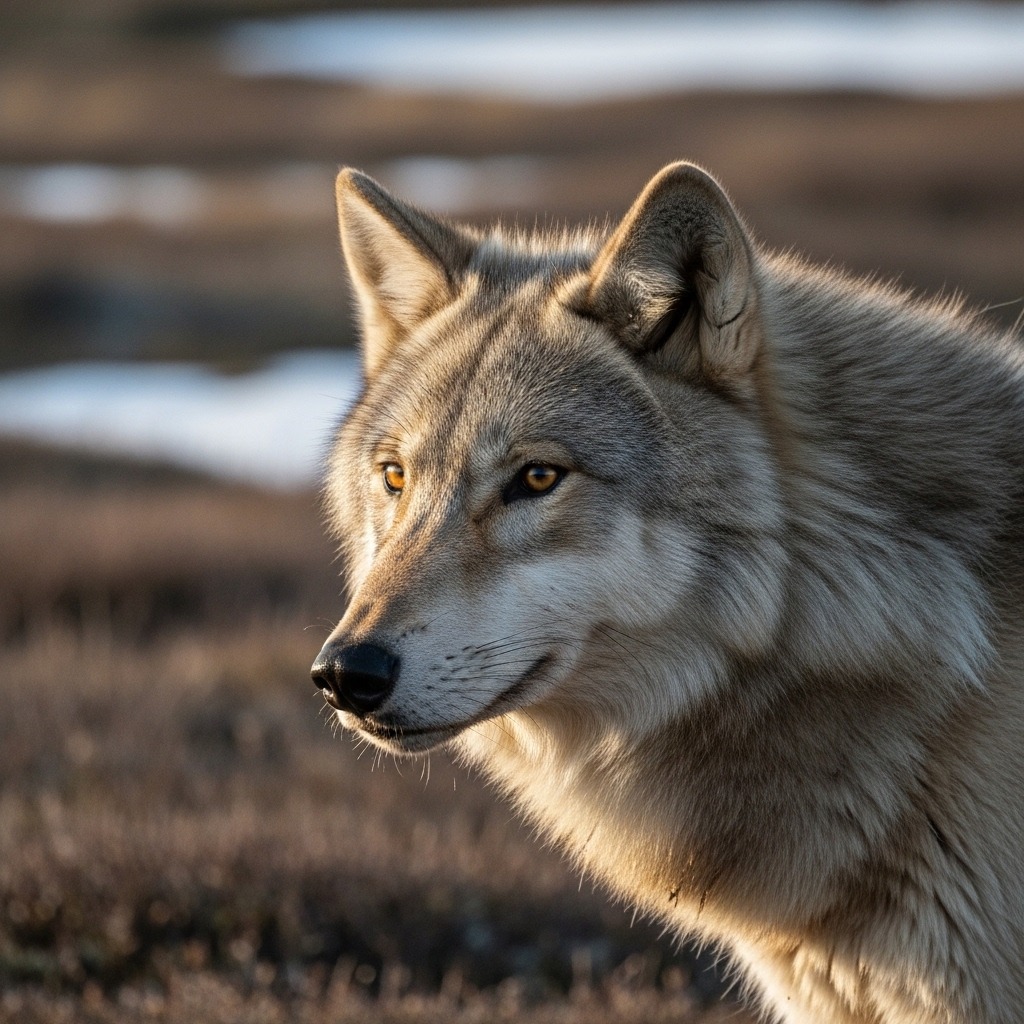
Scientific Classification
The tundra wolf, scientifically known as Canis lupus albus, is a subspecies of the gray wolf. This classification helps us understand its evolutionary traits and adaptations. Here’s a quick look at how it fits into the broader wolf family:
| Classification Level | Details |
|---|---|
| Kingdom | Animalia |
| Phylum | Chordata |
| Class | Mammalia |
| Order | Carnivora |
| Family | Canidae |
| Genus | Canis |
| Species | Canis lupus |
| Subspecies | Canis lupus albus |
Habitat Range
Tundra wolves inhabit diverse ecosystems, primarily the Arctic tundra and coniferous forest-tundra regions. These areas offer ample hunting grounds and a variety of prey. They prefer habitats with:
- Open tundra
- Forest clearings
- River valleys
This wide range lets them adapt to seasonal changes. During summer, they may migrate to areas where food is more abundant.
Physical Characteristics
Tundra wolves have several notable traits that help them survive in extreme conditions. Their thick fur provides insulation and helps them blend into snowy environments. Here are some key physical features:
- Fur Color: Ranges from light gray to white, aiding in camouflage.
- Body Size: Generally larger and more robust than other gray wolf subspecies.
- Leg Length: Longer legs help them traverse snowy terrains efficiently.
- Ear Shape: Smaller and rounded to minimize heat loss.
These adaptations not only enhance their hunting capabilities but also ensure they can thrive in one of the most challenging environments on Earth.
Physical and Behavioral Adaptations

Tundra wolves have a range of fascinating adaptations that help them thrive in the harsh Arctic landscape. These adaptations are both physical and behavioral, allowing them to hunt, stay warm, and live in packs.
Physical Adaptations
- Thick Fur: Their dense coat insulates them against freezing temperatures. This fur can range from light gray to white, helping them camouflage in the snow.
- Body Size: Tundra wolves are generally larger than other wolf subspecies. This size helps them conserve heat and tackle larger prey.
- Long Legs: Longer limbs enable them to maneuver across snowy terrains efficiently. This is crucial for traveling long distances in search of food.
- Smaller Ears: Their rounded ears reduce heat loss. This design protects them from frostbite, keeping them warm in extreme cold.
Behavioral Adaptations
- Pack Living: Tundra wolves are social animals. They hunt in packs, which allows them to take down larger prey like reindeer and muskoxen. This teamwork is essential for survival.
- Seasonal Movement: They often follow the migratory patterns of their prey. This adaptability helps them find food throughout the year, especially in the sparse tundra.
- Vocal Communication: Wolves communicate through howls. This helps maintain pack cohesion and coordinate hunting strategies, especially over vast distances.
Dietary Adaptations
- Varied Diet: Tundra wolves primarily hunt large ungulates. They also eat smaller animals like Arctic hares when larger prey is scarce. This flexibility in diet is vital for their survival.
- Hunting Strategies: They use group tactics to outmaneuver and tire out their prey. By working together, they increase their chances of a successful hunt, even in challenging weather conditions.
These adaptations enable tundra wolves not just to survive but to excel in one of the most extreme environments on Earth.
Social Structure and Pack Dynamics

Tundra wolves have a fascinating social structure that helps them thrive in their harsh environments. Their pack dynamics are crucial for hunting and survival, showcasing complex behaviors and strong bonds.
Pack Hierarchy
Tundra wolf packs usually consist of 5 to 12 members. Each pack has a clear hierarchy led by a dominant breeding pair. This structure helps organize hunts and ensures that everyone knows their role.
- Alpha Pair: The leaders of the pack, responsible for breeding and decision-making.
- Subordinate Members: Help with hunting and caring for pups.
- Young Wolves: Learn skills by observing older members and gradually take on more responsibilities.
The hierarchy maintains order and improves the pack’s efficiency in hunting and territory defense.
Communication Methods
Tundra wolves use a range of vocalizations, body language, and scent marking to communicate. This is vital for maintaining pack cohesion.
- Howling: Used to locate each other over long distances and strengthen social bonds.
- Scent Marking: Establishes territory and communicates presence to rival packs.
- Grooming and Play: Strengthens relationships and promotes social bonds among pack members.
For example, when wolves howl together, it reinforces their unity and can intimidate rival packs.
Cooperative Hunting
Hunting in packs is a key strategy for tundra wolves. They work together to take down larger prey, like caribou and muskoxen.
- Strategic Planning: Wolves often flank their prey, isolating individuals from the herd.
- Teamwork: By coordinating their movements, they can tire out and outmaneuver larger animals.
Real-life examples show that during winter hunts, tundra wolves may successfully take down a reindeer by surrounding it and using their numbers to their advantage. This cooperative hunting not only increases their success rate but also ensures that food is shared among pack members, enhancing survival in their challenging habitat.
Ecological Role of Tundra Wolves
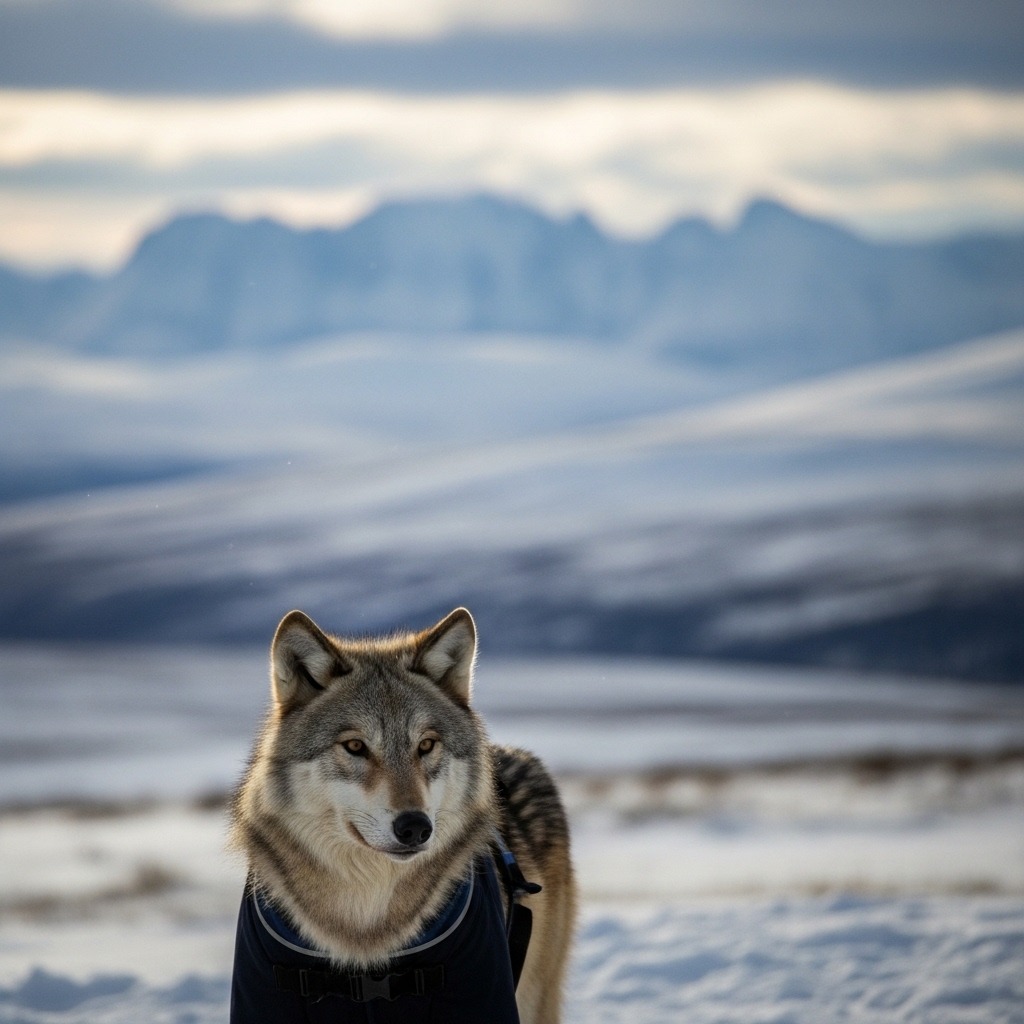
Tundra wolves play a crucial role in their ecosystems as apex predators. They help maintain the balance between herbivore populations and vegetation. Let’s dive into their impact on biodiversity and the challenges they face.
Predatory Role
Tundra wolves are skilled hunters. They primarily target large herbivores like reindeer and muskoxen. Here’s how they do it:
- Hunting in Packs: By working together, they can take down larger prey. This teamwork increases their chances of a successful hunt.
- Flanking: Wolves often flank their prey to isolate individuals from the herd. This strategy makes it easier to catch their target.
- Sharing the Meal: After a successful hunt, pack members share the food. This cooperation is vital for survival in harsh conditions.
Impact on Biodiversity
Tundra wolves help control herbivore populations. This regulation is essential for maintaining healthy vegetation. Here are a few key points:
- Vegetation Health: Fewer herbivores mean less overgrazing. This allows tundra plants to thrive, which supports other wildlife like birds and rodents.
- Ecosystem Balance: If tundra wolves decline, herbivore populations can explode. This unchecked growth can degrade critical tundra vegetation and alter habitats.
Case Study: The Tundra Ecosystem
In regions where tundra wolves were protected, researchers noticed healthier ecosystems. For example, in parts of Scandinavia, increased wolf populations led to a decline in overgrazing by reindeer. This allowed native plants to recover, demonstrating the wolves’ vital role in their habitat.
Conservation Challenges
Despite their importance, tundra wolves face significant threats:
- Habitat Loss: Climate change is altering their habitats and the distribution of prey. As temperatures rise, wolves may struggle to find food.
- Overhunting: In some regions, illegal poaching threatens their populations. Conservation efforts are crucial to safeguard these apex predators.
Efforts to protect tundra wolves include habitat preservation and monitoring prey populations. These steps are essential for ensuring their survival and the health of the tundra ecosystem.
Conservation Status and Threats
Tundra wolves play a crucial role in their ecosystem, but their survival is threatened by various factors. Understanding their conservation status is essential to protect these magnificent creatures.
Current Conservation Status
Tundra wolves are currently classified as “Least Concern.” However, their populations are vulnerable due to specific threats. Estimates suggest there are between 30,000 and 50,000 tundra wolves across their range. While this number seems stable, it masks underlying issues affecting their survival.
Major Threats
Tundra wolves face several significant threats that could impact their numbers:
- Climate Change: Warming temperatures alter their habitat and the availability of prey, like reindeer. This can disrupt their hunting patterns and food sources.
- Overhunting: Illegal poaching poses a risk, especially given the high value of their fur. Tundra wolves have luxurious pelages that can fetch a premium price.
- Prey Decline: Changes in prey populations can occur due to overhunting or habitat loss. If reindeer numbers drop, tundra wolves struggle to find enough food.
Conservation Efforts
Conservation initiatives are vital for the survival of tundra wolves. Here are some key efforts underway:
- Habitat Protection: Establishing protected areas helps maintain critical habitats for tundra wolves and their prey.
- Sustainable Wildlife Management: Programs aim to manage hunting practices, ensuring prey populations remain stable.
- Research and Monitoring: Ongoing studies focus on the behavior, health, and migration patterns of tundra wolves. This data helps inform conservation strategies.
- Public Awareness: Educational programs raise awareness about the importance of tundra wolves in their ecosystem and the challenges they face.
These conservation efforts are essential to preserve the delicate balance of the tundra ecosystem. By addressing the threats and promoting sustainable practices, we can help ensure a future for these incredible animals.
Visual Gallery of Tundra Wolves
Explore the majestic world of tundra wolves through a striking collection of images. These captivating photographs showcase their beauty, adaptations, and the breathtaking landscapes they inhabit.
Tundra Wolves in Action
Witness the remarkable behavior of tundra wolves. Here are some snapshots:
- Hunting in Packs: A group of wolves strategizing their hunt, showcasing their social structure and teamwork.
- Puppy Play: Young wolves frolicking, demonstrating their playful nature and the bond within the pack.
- Tracking Prey: A wolf on the move, illustrating its endurance as it follows reindeer or muskoxen across the tundra.
Tundra Habitat Scenery
The tundra is a stunning backdrop for these wolves. Some iconic scenes include:
- Snowy Landscapes: Wide shots of the tundra, highlighting the vastness where these wolves roam.
- Seasonal Changes: Images showing the bright colors of summer against the stark white winter, reflecting the adaptability of the wolves.
- Natural Shelters: Pictures of rock crevices or dense vegetation, where wolves might rest or hide their pups.
Close-up Shots
Get an intimate look at these incredible creatures:
- Thick Fur Coats: Close-ups of their luxurious pelage, which helps them withstand the harsh cold.
- Expressive Faces: Capturing the intelligence and curiosity in their eyes, showcasing their social nature.
- Unique Features: Highlighting the physical adaptations that allow them to thrive in their environment, such as strong paws designed for traversing snow.
This visual storytelling not only celebrates the beauty of tundra wolves but also emphasizes their adaptations and the ecological significance of their habitats.
Frequently Asked Questions
These quick answers cover the most common questions about this topic, including key details, practical tips, and common concerns.
What are the adaptations of a wolf in the tundra?
Tundra wolves have physical and behavioral adaptations suited for cold environments. They have thick, insulating fur that ranges from white to light gray, helping them blend into snowy landscapes. Their longer legs and smaller ears reduce heat loss and improve mobility in snow. Behaviorally, they live in packs for cooperative hunting and follow seasonal prey migrations to find food efficiently.
How do wolves say “hi”?
Wolves greet each other mainly through body language, such as tail wagging, sniffing, and play gestures. They also communicate through vocalizations like howling, which helps reinforce social bonds and establish territory. These behaviors ensure strong pack cohesion and social structure.
Do wolves have 42 teeth?
Yes, adult wolves typically have 42 teeth. Their dental structure includes sharp carnivorous teeth designed for tearing meat, such as canines and carnassials. This dental setup helps them efficiently hunt and consume prey.
Do wolves live in the coniferous forest?
Yes, some wolf subspecies, including tundra wolves, inhabit coniferous forests. These areas provide cover and prey like deer and elk. While tundra wolves are adapted to Arctic tundra, they can also thrive in forested regions with dense vegetation and abundant prey.
How do tundra wolves communicate?
Tundra wolves communicate through vocalizations like howling, which can be heard over long distances. They also use body language, such as tail position and posture, and scent marking to establish territory and convey social signals. These methods help maintain pack cohesion and coordinate activities.
What is the diet of a tundra wolf?
Tundra wolves primarily hunt large herbivores like reindeer, muskoxen, and Arctic hares. They are opportunistic eaters and will also scavenge carcasses or hunt smaller animals when larger prey is scarce. Their diet varies seasonally based on prey availability.
Are tundra wolves endangered?
Currently, tundra wolves are classified as “Least Concern,” but local populations face threats from habitat change and illegal hunting. Climate change impacts prey distribution, and poaching can reduce their numbers. Conservation efforts focus on habitat protection and sustainable management.
What role do tundra wolves play in their ecosystem?
As apex predators, tundra wolves regulate herbivore populations, preventing overgrazing of vegetation. This balance supports biodiversity and ecosystem health. Their presence helps maintain the natural dynamics of Arctic and coniferous forest habitats.
What are the main threats to tundra wolves?
Major threats include climate change, which alters their habitat and prey availability, and illegal hunting for their fur. Habitat loss and prey decline also pose risks. Protecting their environment and regulating hunting are essential for their survival.