
If your monarch caterpillar is infected, swift action is crucial. In this guide, you will learn how to identify symptoms, implement isolation measures, and adopt preventive strategies to protect your caterpillar colony from infections like black death and Ophryocystis elektroscirrha (OE).
Identify Signs of Infection in Monarch Caterpillars
Spotting the signs of infection early can be a game-changer for your monarch caterpillars. Let’s dive into some visual cues and behavioral changes that indicate your little friends might need help.
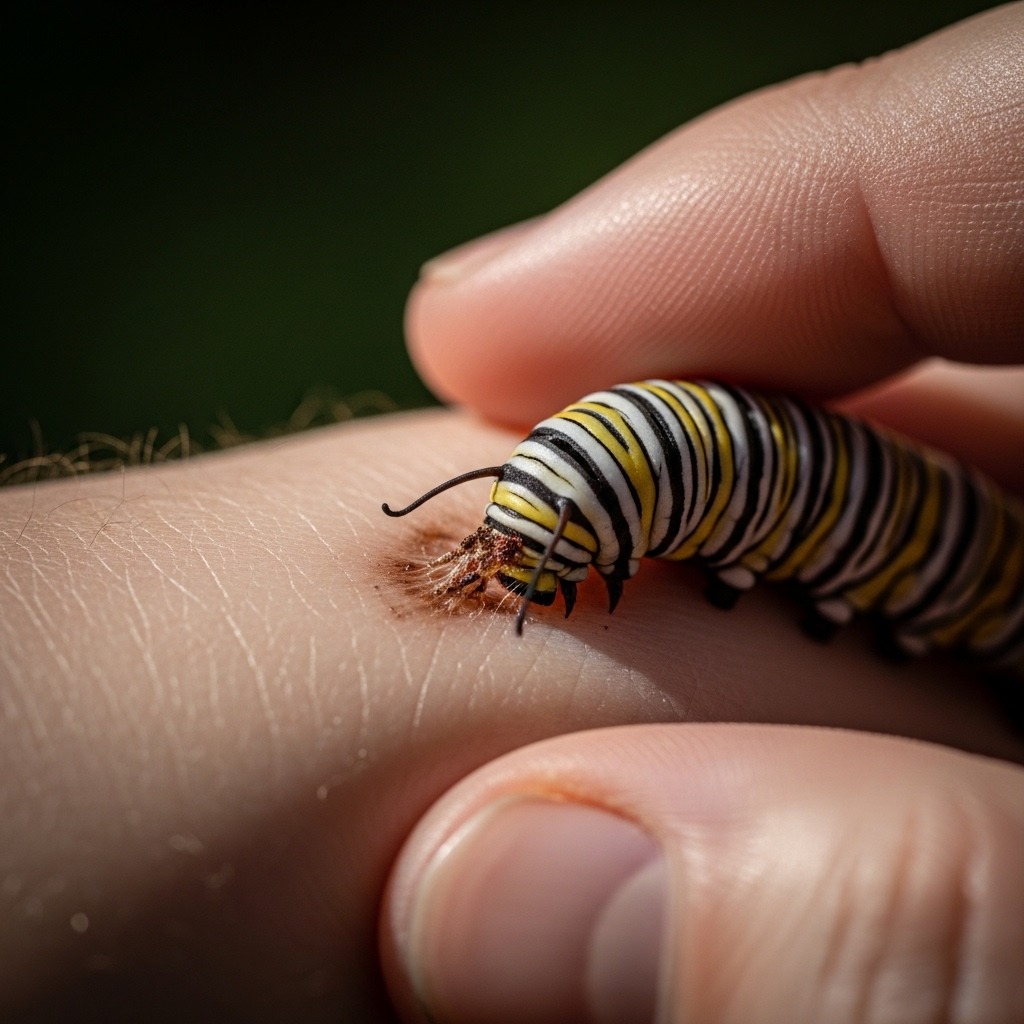
Recognizing Discoloration and Deformities
One of the first signs of infection is discoloration. Pay close attention to your caterpillars. Here are key indicators:
- Black Death: If you see your caterpillar turning dark, it might be infected. This condition often leads to them becoming lethargic and refusing to eat.
- Ophryocystis elektroscirrha (OE): Caterpillars infected with OE might show tiny white cysts on their bodies. These can appear as small bumps or fuzzy patches.
- Deformities: Look for caterpillars that are misshapen or have abnormal growths. These can indicate underlying health issues.
Behavioral Signs Indicating Infection
Monitor your caterpillars’ behavior. Behavioral changes can be subtle but telling:
- Lethargy: If your caterpillar is sluggish and not moving much, it may be sick.
- Refusal to Eat: A healthy caterpillar munches on milkweed. If yours isn’t feeding, it’s a red flag.
- Deflation: An infected caterpillar might appear shriveled or deflated. This is a serious symptom.
Using a Checklist for Quick Assessment
Here’s a handy checklist to help you assess your caterpillars quickly:
| Symptom | Action |
|---|---|
| Dark coloration | Isolate the caterpillar immediately. |
| Presence of white cysts | Test for OE if possible. |
| Lack of movement | Check for environmental stressors. |
| Refusal to eat | Provide fresh milkweed and monitor. |
| Deflated appearance | Consider consulting an expert. |
By using this checklist, you can keep a close eye on your caterpillars. Early detection means better chances for recovery and a healthier caterpillar population overall.
Isolate Infected Caterpillars Immediately
When you spot an infected monarch caterpillar, swift action is crucial. Isolating sick caterpillars can protect the rest of your colony from disease. Here’s how to do it effectively.
Table of Contents
Choosing the Right Isolation Containers
Select containers that are easy to clean and monitor. Here are some options:
- Plastic bins: Clear bins allow you to see the caterpillar’s condition easily.
- Glass jars: Good for individual caterpillars, but ensure they have proper ventilation.
- Rearing cages: These are great for larger groups but make sure they’re sanitized.
Ensure the container is escape-proof and well-ventilated.
Minimizing Contact with Healthy Caterpillars
To prevent spreading the infection, follow these steps:
- Wear gloves: Always wear gloves when handling infected caterpillars.
- Isolate immediately: Place the infected caterpillar in its container without delay.
- Limit movement: Avoid transferring healthy caterpillars in and out of the isolation area.
For example, if you notice one caterpillar showing signs of infection, isolate it right away. This quick action can save others.
Sanitizing the Isolation Area
Keeping the isolation area clean is key to preventing further issues. Here’s how to sanitize effectively:
- Disinfect surfaces: Use a mild bleach solution or a commercially available disinfectant.
- Wash hands: Always wash your hands after handling infected caterpillars or their containers.
- Change substrates: If you use paper towels or cloth in the container, replace them regularly.
After cleaning, monitor your healthy caterpillars closely for any signs of infection. Regular checks can help catch problems early.
By following these steps, you can manage infections effectively and help ensure the health of your monarch caterpillar colony.
Clean and Prepare Milkweed for Feeding

Keeping your milkweed clean is crucial for the health of your monarch caterpillars. Dirty or contaminated milkweed can introduce infections, making your caterpillars sick. Here’s how to rinse and prepare your milkweed to minimize risks.
Rinsing Techniques to Remove Contaminants
Before you feed your caterpillars, always rinse the milkweed thoroughly. This helps remove dust, pesticides, and pathogens. Here’s a simple checklist for rinsing:
- Use cool, clean water: Rinse milkweed under running water for at least 30 seconds.
- Gently scrub leaves: Use a soft brush to remove any visible dirt or bugs.
- Dry the leaves: After rinsing, pat them dry with a clean cloth. Wet leaves can harbor pathogens.
Rinsing not only cleans the leaves but also helps keep your caterpillars safe from infections. For example, if you notice a few caterpillars showing signs of infection, consider rinsing all milkweed before feeding. It can be a lifesaver!
Identifying Safe Milkweed Sources
Always ensure your milkweed comes from a safe source. Plants from chemical-treated areas can carry harmful residues. Here are tips to identify safe milkweed:
- Buy from reputable nurseries: Look for places that specialize in native plants.
- Grow your own: This way, you control what goes into the soil and how you care for the plants.
- Check for pests: Inspect the milkweed for any insects before using it. Infestations can spread diseases.
If you’re unsure about your source, it’s better to be cautious. Always prioritize healthy milkweed for your caterpillars.
Preventing Chemical Exposure to Caterpillars
Minimizing chemical exposure is key to keeping your caterpillars healthy. Here are some preventive measures:
- Avoid pesticides: Never use chemicals on milkweed. Instead, opt for organic pest control methods.
- Create a buffer zone: Ensure there’s a distance between treated areas and your milkweed plants.
- Educate yourself on local pests: Understanding what pests are common can help you manage them without chemicals.
For example, if you see aphids on your milkweed, try using a strong water spray to dislodge them rather than resorting to pesticides. Healthy practices today will lead to a thriving colony tomorrow!
Monitor Behavior and Health of Caterpillars
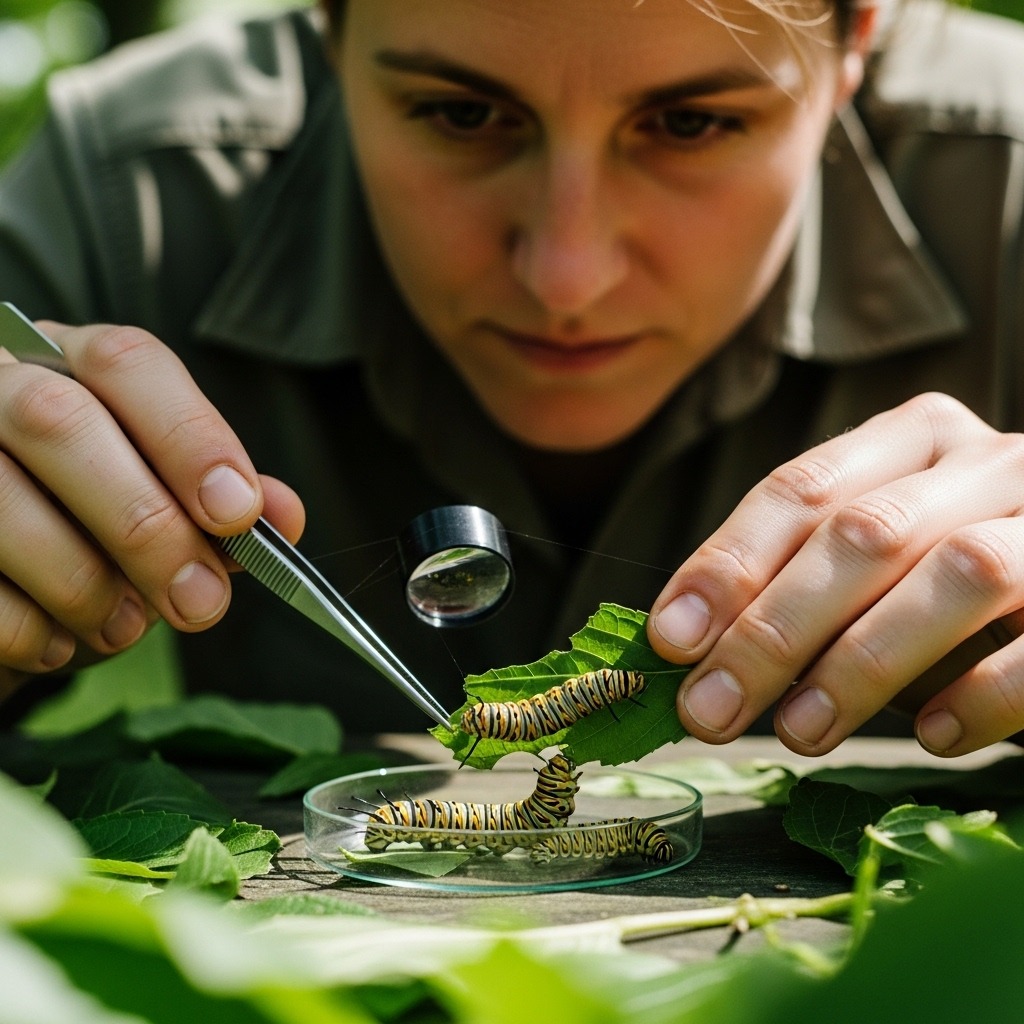
Regularly observing your monarch caterpillars is crucial. Early detection of health issues can save them from serious infections. Let’s dive into how you can monitor their health effectively.
Daily Health Checks and Observations
Make it a habit to check your caterpillars daily. Look for changes in their behavior and physical appearance. Here are a few things to note:
- Movement: Healthy caterpillars move smoothly. Watch for twitching or erratic movements, which may signal stress or illness.
- Feeding: Ensure they are actively munching on milkweed. A lack of appetite can indicate a problem.
- Color and Shape: Healthy caterpillars are usually vibrant and plump. Watch for any discoloration, shriveling, or unusual spots.
Identifying Stress Signs in Caterpillars
Stress can lead to infections. Here’s how to spot it:
- Isolation: If a caterpillar separates from the group, it might not be feeling well.
- Inactivity: Healthy caterpillars are often active. If you notice one sitting still for too long, take a closer look.
- Strange Postures: Caterpillars in distress may adopt unusual positions, like curling up or hanging awkwardly.
Documenting Changes for Better Analysis
Keeping a health log can help you track changes over time. Use a simple template to document daily observations. Here’s what to include:
- Date: When you made the observation.
- Behavior: Any notable behaviors (e.g., feeding, movement).
- Health Status: Describe any symptoms or changes.
- Environment: Note temperature, humidity, and any potential stressors.
Here’s a quick example of what your log could look like:
| Date | Behavior | Health Status | Environment |
|---|---|---|---|
| 2023-10-01 | Active feeding | Healthy | 75°F, 60% humidity |
| 2023-10-02 | Isolated from group | Twitching observed | 76°F, 58% humidity |
| 2023-10-03 | Inactive | Discoloration noted | 74°F, 62% humidity |
By consistently monitoring your caterpillars, you’ll be better prepared to identify and address any health issues that arise.
Consult Experts for Disease Management
When your monarch caterpillar is infected, reaching out to experts can make a big difference. They can offer guidance on managing infections and keeping your caterpillars safe.
Finding Local Entomologists or Butterfly Experts
Start by searching for entomologists or butterfly experts in your area. Local universities or nature centers often have resources or staff who specialize in insect health. Here’s how to find them:
- University Extension Offices: Many universities have extension programs that include entomology departments.
- Butterfly Conservatories: These places often have knowledgeable staff who can assist you.
- Local Nature Groups: Check if there are any local butterfly or nature clubs. They can be a great resource.
Utilizing Online Resources and Forums
The internet is packed with valuable information. Online forums and social media groups dedicated to butterfly enthusiasts can be great places to ask questions and share experiences. Here are some suggestions:
- Facebook Groups: Join groups focused on monarchs or caterpillar care.
- Reddit Communities: Subreddits like r/ButterflyGardening can provide insights from fellow caterpillar caretakers.
- Specialized Blogs: Look for blogs that focus on monarch butterflies. Many experienced keepers share their knowledge and tips.
When to Seek Immediate Help
If you notice severe symptoms, it’s time to act quickly. Here are some signs that indicate immediate expert consultation is needed:
- Dramatic Color Changes: If your caterpillar turns black or shows unusual discoloration.
- Lethargy: If it refuses to eat for an extended period.
- Rapid Decline: If multiple caterpillars in the same cohort show signs of illness.
Taking prompt action can help prevent the spread of infections. When reaching out to experts, be ready to share details about the symptoms, environment, and the care you’ve provided. This information will help them provide tailored advice.
Checklist for Expert Consultation
Before contacting an expert, consider this checklist to ensure you have all the necessary information:
- Symptoms observed (color changes, lethargy)
- Number of affected caterpillars
- Any treatments already attempted
- Environmental conditions (temperature, humidity)
- Diet details (type of milkweed, other plants)
Having this information ready will make your consultation more effective and informative.
Understand Common Caterpillar Diseases
Monarch caterpillars face several health threats. Two of the most common diseases are Ophryocystis elektroscirrha (OE) and black death. Understanding these diseases can help you manage your caterpillars better.
Overview of Ophryocystis elektroscirrha (OE)
OE is a protozoan parasite. It infects monarch caterpillars and can have serious effects. Infected caterpillars often show signs of lethargy, a distorted body, and difficulty moving. If left untreated, OE can lead to death or prevent the caterpillars from becoming healthy butterflies.
Key points about OE:
- Transmission: Caterpillars can get OE from contaminated milkweed or by contact with infected individuals.
- Symptoms: Look for reduced feeding, abnormal movements, and darkened color.
- Prevalence: OE is found in both wild and captive populations, with rates varying from 10% to 70% in some areas.
What is black death and its implications?
“Black death” refers to a severe bacterial infection, primarily caused by the Nuclear Polyhedrosis Virus (NPV). When caterpillars are infected, they can turn black and display rapid health decline. Symptoms include refusal to eat, lethargy, and eventual liquefaction of the body.
Important facts about black death:
- Symptoms: Look for darkening, deflation, and a noticeable lack of movement.
- Impact on populations: This infection can spread quickly among caterpillars, leading to significant mortality rates.
- Environmental factors: Warm, humid conditions can exacerbate the spread of NPV.
Comparing symptoms of different diseases
Knowing how to recognize the symptoms of OE and black death is crucial. Here’s a quick comparison:
| Symptom | Ophryocystis elektroscirrha (OE) | Black Death (NPV) |
|---|---|---|
| Color change | Light to dark, sometimes distorted | Dark black coloring |
| Feeding behavior | Reduced or absent | Refusal to eat |
| Movement | Lethargic, difficulty moving | Extreme lethargy, deflation |
| Progression of symptoms | Gradual decline | Rapid deterioration |
Real-life scenario: If you notice a caterpillar becoming lethargic and not feeding, isolate it immediately. Check for signs of darkening or body distortion to identify the disease accurately.
In managing these diseases, always keep your monarch caterpillars’ environment clean and healthy. Regularly check for symptoms, and if you suspect infection, consult an expert for guidance.
Best Practices for Preventing Infections
Keeping your monarch caterpillar colony healthy starts with prevention. A clean environment and good handling techniques are key to minimizing infections.
Creating a Clean Environment for Caterpillars
- Choose Clean Milkweed: Always source your milkweed from reputable growers. Avoid contaminated plants.
- Isolate New Arrivals: If you bring in new caterpillars, keep them separate for at least two weeks. Watch for any signs of illness.
- Maintain Proper Humidity: Ensure the environment isn’t too damp. Mold can thrive in high humidity, causing infections.
Proper Handling Techniques
- Wash Hands Before Handling: Always wash your hands before touching your caterpillars. This reduces the chance of transferring germs.
- Limit Handling: Minimize how often you handle your caterpillars. Less handling means less stress and lower risk of injury or infection.
- Use Clean Tools: If you use tools like tweezers or containers, make sure they are sanitized before each use.
Regular Sanitation of Rearing Containers
- Daily Spot Checks: Examine the containers daily for waste and uneaten food. Remove any debris immediately.
- Weekly Deep Cleaning: Clean containers weekly with soapy water. Rinse thoroughly to avoid any soap residue.
- Disinfect Between Batches: Always disinfect your containers between different batches of caterpillars. This prevents the spread of any potential pathogens.
Checklist for Maintaining Optimal Conditions
- [ ] Source clean milkweed from trusted suppliers.
- [ ] Isolate new caterpillars for two weeks.
- [ ] Keep humidity levels in check.
- [ ] Wash hands thoroughly before handling.
- [ ] Limit handling to reduce stress.
- [ ] Use sanitized tools.
- [ ] Conduct daily spot checks for waste.
- [ ] Perform weekly deep cleans of containers.
- [ ] Disinfect containers between different caterpillar batches.
Following these best practices can help you maintain a healthy caterpillar colony and reduce the risk of infections. Remember, a clean environment is a happy environment for your monarchs!
Euthanasia Options for Severely Infected Caterpillars
When dealing with severely infected monarch caterpillars, euthanasia may become a necessary option. It’s crucial for both the sick caterpillar and the overall health of your colony. Here’s how to approach this sensitive situation.
Humane euthanasia methods to consider
There are a few humane methods to consider when euthanizing a caterpillar. The goal is to minimize suffering while preventing disease spread. Here are some options:
- Freezing: Place the caterpillar in a sealed container in the freezer. This method is generally considered humane because it induces a state of hibernation before death.
- Ethanol: Submerging the caterpillar in a small container of ethanol can ensure a quick and painless death. This method is often used in scientific settings.
- Carbon dioxide: Using a CO2 chamber can also be effective. It’s a more controlled method, but it requires specific equipment.
When euthanasia is necessary
Knowing when to take this step can be tough. Here are some signs that euthanasia may be the best choice:
- Severe infection symptoms: If a caterpillar shows extreme lethargy, refuses to eat, or has visible signs of infection like discoloration, euthanasia may be warranted.
- High infection rates: If over half of a caterpillar cohort shows severe symptoms, it’s best to remove the infected ones to protect the healthy members.
- Poor prognosis: If a caterpillar has been infected for an extended time and shows no improvement, it may be kinder to euthanize.
Impact of euthanasia on disease transmission
Euthanizing sick caterpillars can significantly reduce the risk of spreading infections to healthy ones. Here’s why it matters:
- Preventing outbreaks: Removing infected caterpillars helps stop diseases from spreading to others in your care.
- Healthy environment: It maintains a clean and safe habitat for the remaining caterpillars, allowing them to thrive.
- Focus on recovery: With sick caterpillars removed, you can focus on the health and recovery of the healthier ones.
Consider these methods and guidelines carefully. Making the right choice can protect your caterpillar colony and ensure the best outcomes for the ones that remain.
Assess the Health of Your Caterpillar Colony
Keeping a close eye on your caterpillar colony is essential for their well-being. This proactive approach helps you spot infections early and take action before they spread.
Signs of a Healthy Versus Unhealthy Colony
Monitoring the health of your monarch caterpillars is crucial. Here are some signs to look for:
Healthy Caterpillars:
- Plump and vibrant in color
- Active and feeding regularly
- Smooth skin without discoloration
Unhealthy Caterpillars:
- Thin and sluggish
- Discoloration, like black spots
- Stops eating or shows unusual behavior
Watch for these signs regularly. If you notice any unhealthy caterpillars, it’s time to act!
Regular Assessments to Conduct
Performing regular health assessments can help you catch issues early. Here’s a quick checklist to guide you:
- Daily Check-ins: Look for any changes in behavior or appearance.
- Feeding Habits: Ensure they are actively eating milkweed.
- Isolation of Sick Caterpillars: Separate any that show signs of infection immediately.
This routine will help maintain a healthy environment for your caterpillars.
Identifying Environmental Factors Affecting Health
Your caterpillars’ environment plays a big role in their health. Here are some common factors to consider:
- Cleanliness: Regularly clean their habitat to prevent the buildup of harmful bacteria.
- Humidity Levels: Ensure the environment isn’t too humid, as this can promote disease.
- Pesticide Exposure: Avoid chemical treatments near your caterpillars. Chemicals can weaken their immune systems.
By keeping these factors in check, you can create a safer space for your colony to thrive.
Checklist for Colony Health Assessments
Here’s a simple checklist to help you evaluate your caterpillar colony:
- [ ] Daily observation for signs of illness
- [ ] Confirmation of active feeding on milkweed
- [ ] Isolation of any sick caterpillars
- [ ] Regular cleaning of habitat
- [ ] Monitoring humidity and temperature levels
- [ ] Avoidance of pesticides and chemicals
Using this checklist can significantly improve your caterpillar care and reduce infection risks. Stay vigilant, and your monarchs will thank you!
Long-term Effects of Infections on Butterfly Populations
Infections in monarch caterpillars can have serious implications for their populations. Understanding these effects is vital for conservation efforts. Let’s break it down.
Impact of Infections on Population Dynamics
Infections like Ophryocystis elektroscirrha (OE) and bacterial diseases can drastically reduce caterpillar survival rates. When caterpillars are infected, they struggle to feed and grow. This leads to fewer healthy butterflies emerging. Over time, this can decline the overall monarch population.
- Survival Rates: Infected caterpillars often face higher mortality rates.
- Population Decline: A significant drop in healthy adults affects breeding.
- Ecosystem Role: Monarchs play a key role in pollination and biodiversity.
Historical Data on Monarch Health
Research shows a worrying trend. Since the mid-1990s, monarch populations have plummeted by about 90%. This decline is linked to various factors, including habitat loss and disease.
- Data Points:
- 90% decrease in monarchs since the 1990s.
- Increased infections correlate with environmental stressors.
This historical context highlights the urgency for effective caterpillar care and disease management.
Conservation Strategies to Mitigate Risks
To combat these challenges, we need proactive conservation strategies. Here are some effective measures:
- Habitat Protection: Preserve milkweed and other native plants essential for feeding.
- Monitoring Programs: Track caterpillar health and infection rates regularly.
- Education: Inform the public about the importance of avoiding pesticides that harm caterpillars.
By implementing these strategies, we can help protect not just individual caterpillars but also the entire butterfly population.
Engage with the Monarch Butterfly Community
Connecting with fellow monarch rearers can make a big difference in managing caterpillar infections. Sharing experiences, tips, and strategies helps everyone improve their care techniques.
Finding Local and Online Monarch Communities
There are many places to find like-minded monarch enthusiasts. Local clubs, social media groups, and online forums are great for connecting. Here’s how to get involved:
- Join Local Butterfly Clubs: Many cities have clubs dedicated to butterflies. They often host events and workshops.
- Participate in Online Forums: Websites and social media platforms have groups focused on monarchs. Share your experiences and ask questions.
- Attend Workshops: Look for local events that teach about monarch care and conservation.
Benefits of Sharing Experiences and Knowledge
When you share what you’ve learned, you help others—and yourself! Here are a few benefits:
- Learn from Others: Gain insights from seasoned rearers. They can share success stories and tips.
- Get Support: Managing sick caterpillars can be stressful. Having a community means you’re not alone.
- Stay Updated: Members often share the latest research or news about caterpillar health and conservation efforts.
Participating in Community Science Initiatives
Get involved in community science initiatives to track monarch health. This is a fantastic way to contribute to the conservation effort. Here’s how to participate:
- Report Infections: If you notice an infected caterpillar, report it to community science programs. They’re always looking for data.
- Use Health Kits: Consider using testing kits to check for infections like Ophryocystis elektroscirrha (OE). It’s a simple way to help researchers.
- Join Tagging Programs: Participate in tagging initiatives during migration. This helps scientists track populations and health trends.
By engaging with the community, you not only improve your skills but also contribute to the bigger picture of monarch conservation.
Conclusion: Taking Action to Protect Your Caterpillars
Taking action when your monarch caterpillar is infected is crucial for its survival and the health of the species. Here’s what you can do to manage infections effectively.
Recap of Essential Steps for Infection Management
1. Identify Symptoms: Look for signs like discoloration or lethargy. These can indicate infections such as Ophryocystis elektroscirrha (OE) or bacterial issues.
2. Isolate Sick Caterpillars: Keep infected caterpillars away from healthy ones to prevent the spread of disease.
3. Maintain Cleanliness: Regularly clean your milkweed plants. Remove any dead leaves or debris that might harbor pathogens.
4. Preventive Measures: Use natural pest control methods. Avoid pesticides that can harm caterpillars and disrupt their immune systems.
5. Monitor Environmental Conditions: Ensure that your caterpillars have a dry and safe habitat. High humidity can increase the risk of infections.
Encouragement to Stay Vigilant
Stay alert! Regular monitoring of your caterpillars can help you catch infections early. Remember, a healthy habitat is key. The more you engage with their environment, the better you can support their growth.
Final Thoughts on Conservation Efforts
Every small action contributes to the larger goal of monarch conservation. By following these steps, you not only help individual caterpillars but also support the entire population. Share your experiences with fellow enthusiasts and encourage others to take proactive measures. Together, we can ensure a brighter future for these beautiful butterflies!
Frequently Asked Questions
These quick answers cover the most common questions about this topic, including key details, practical tips, and common concerns.
How to tell if a monarch caterpillar is infected?
Look for signs like discoloration, such as blackening or white cysts, and deformities. Infected caterpillars may appear lethargic, refuse to eat, or become shriveled. Tiny white cysts often indicate Ophryocystis elektroscirrha (OE), while darkening and rapid decline suggest bacterial infections like black death. Regular observation helps catch symptoms early.
How to help a sick monarch caterpillar?
Isolate the affected caterpillar immediately to prevent spreading infection. Provide fresh, rinsed milkweed and maintain optimal environmental conditions—avoid excess humidity and contamination. Keep it in a clean, ventilated container and monitor for improvement. Consult an expert if symptoms worsen or persist.
How to save a dying caterpillar?
First, identify and remove the cause—such as contaminated food or environment. Ensure the caterpillar is in a clean habitat with proper humidity and temperature. Offer fresh milkweed and reduce handling stress. If recovery seems unlikely, consider humane euthanasia to prevent suffering and disease spread.
What kills a monarch caterpillar?
Common causes include infections like Ophryocystis elektroscirrha (OE), bacterial diseases such as black death, and parasitic attacks by Tachinid flies. Poor hygiene, contaminated milkweed, and environmental stressors also weaken their immune system, making them more vulnerable to death.
When should I isolate sick caterpillars?
Immediately upon noticing symptoms like discoloration, lethargy, or refusal to eat. Early isolation prevents disease transmission to healthy caterpillars. Regular checks are essential, especially during outbreaks or if multiple caterpillars show signs of illness.
What are common problems with caterpillar infections?
The most frequent issues include Ophryocystis elektroscirrha (OE), bacterial infections like black death, and parasitism by Tachinid flies. Symptoms vary but often involve discoloration, deformities, and lethargy. Poor hygiene and contaminated milkweed increase infection risks.
Are there alternatives to euthanizing infected monarch caterpillars?
In some cases, mild infections may resolve with improved care and environment. However, severely infected or contagious caterpillars should be humanely euthanized to protect others. Always consult an expert before deciding, and consider methods like freezing for humane euthanasia.
How can I prevent infections in my monarch caterpillars?
Maintain cleanliness by regularly sanitizing containers and rinsing milkweed. Use pesticide-free, organic plants. Isolate new caterpillars for observation. Control humidity levels and minimize handling. Healthy, uncontaminated food and environment are key to preventing disease spread.