
The Wood Thrush is a medium-sized songbird known for its melodious flute-like song. However, this beautiful bird faces significant conservation concerns due to habitat loss and other threats. Understanding its behaviors, habitats, and the challenges it encounters is crucial for its preservation.
Table of Contents
Identifying the Wood Thrush
The Wood Thrush is a striking bird that can be identified by its unique physical features and beautiful song. Let’s dive into its appearance and vocalizations to help you spot this melodious songbird.
Physical Appearance
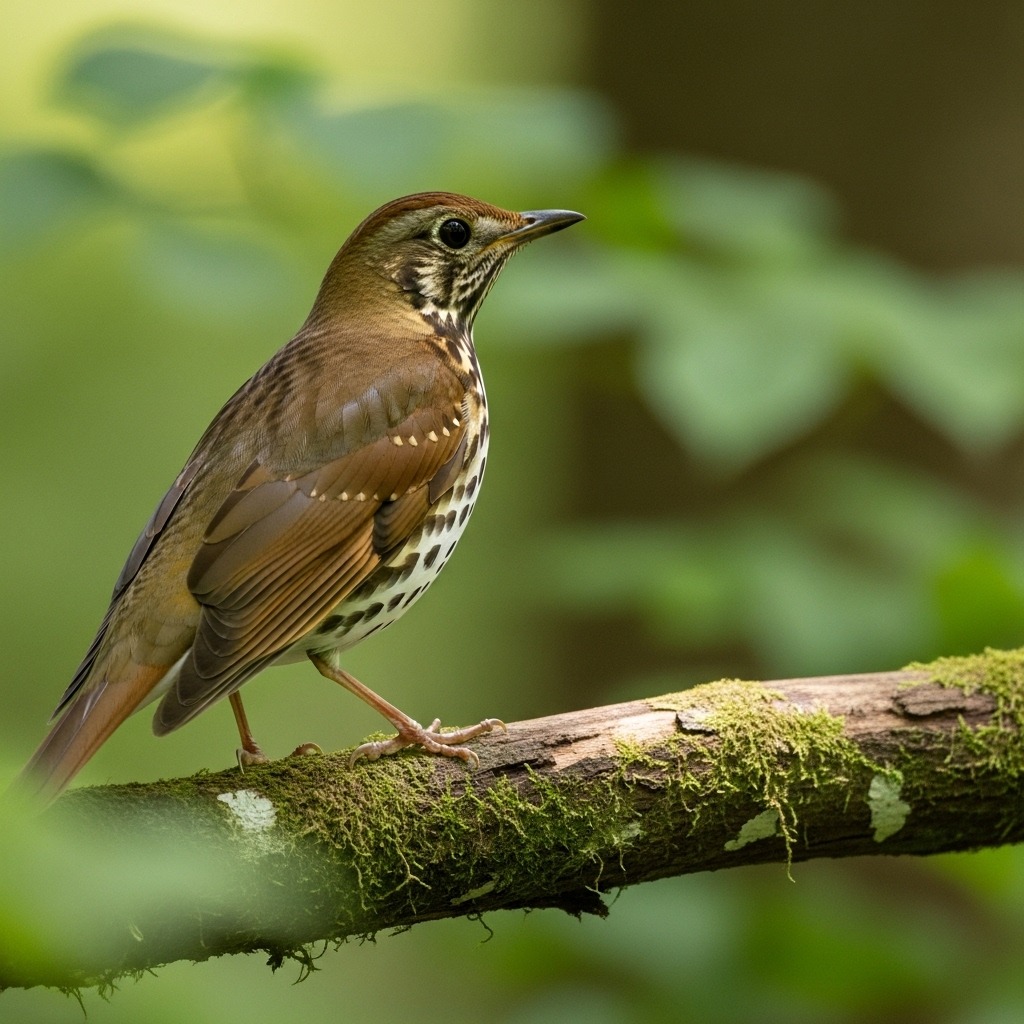
The Wood Thrush is a medium-sized songbird, about 8 inches long. Here’s what to look for:
- Coloration: It has a reddish-brown back and a white belly with bold black spots.
- Distinct Features: Look for a white eye-ring and pinkish legs.
- Body Shape: Its pot-bellied appearance and upright posture are noticeable.
Young Wood Thrushes have tawny spots on their backs. This variation helps in spotting them, especially in dense underbrush.
Vocalizations and Song
One of the most delightful aspects of the Wood Thrush is its song. Here’s what you can expect:
- Song Quality: The Wood Thrush sings a series of flutelike notes, often described as musical and clear.
- Timing: You can hear them singing from high branches at dawn and dusk, making their presence known in the quiet of early morning or evening.
If you listen closely, you might notice variations in their song depending on the environment they are in.
Comparison with Similar Species
To help differentiate the Wood Thrush from similar birds, consider these points:
- American Robin: The Robin is larger and has a brighter orange belly compared to the Wood Thrush’s speckled appearance.
- Hermit Thrush: This bird has a less prominent song and is generally more brownish overall, lacking the distinctive spots of the Wood Thrush.
When observing these birds in the wild, pay attention to their songs and physical traits to identify them accurately. The Wood Thrush’s enchanting song is a telltale sign of its presence in the forest!
Behavior and Nesting Habits of the Wood Thrush
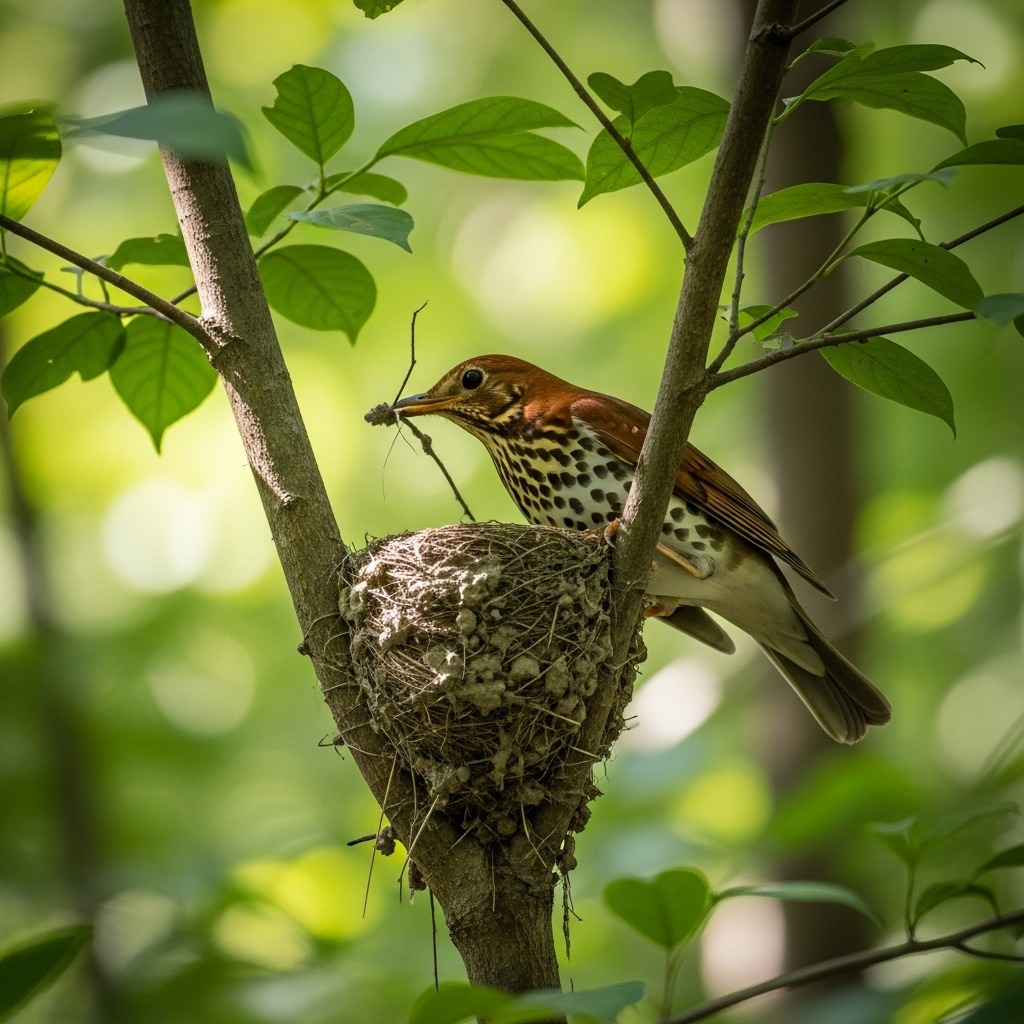
The Wood Thrush is not just known for its beautiful song; it also has unique behaviors and nesting habits. Let’s dive into how these charming birds live and raise their young.
Nesting Sites and Materials
Wood Thrushes prefer to nest in dense, deciduous forests. They often choose sites near the ground to stay hidden. Here’s what you need to know about their nesting:
- Nest Location: They look for thickets or dense vegetation. This keeps them safe from predators.
- Nest Construction: The female usually builds the nest. She uses leaves, grass, and mud to create a sturdy platform. Sometimes, the male helps by bringing materials.
- Nesting Success: Studies show that nesting success can vary greatly. In undisturbed forests, they have higher success rates compared to fragmented habitats. For instance, nests in dense, intact woods may yield more fledglings than those in suburban areas.
Feeding Behavior and Diet
Wood Thrushes are skilled foragers. Their diet mainly consists of:
- Insects: They love soft-bodied insects like caterpillars and beetles.
- Fruits: Berries are also a big hit, especially during the summer months.
- Feeding Technique: They often forage on the forest floor. This is where they can easily find food and avoid larger predators.
Territorial and Social Behavior
These songbirds are quite social, especially during breeding season. Here’s how they behave:
- Territoriality: Males establish territories by singing. Their flutelike song can be heard at dawn and dusk, marking their space.
- Monogamous Pairing: Wood Thrushes typically mate for a season. They work together to raise their young.
- Social Interactions: While they are mostly solitary outside of breeding, they will gather in small groups during migration.
By understanding their nesting habits and social behaviors, we can better appreciate the Wood Thrush and the challenges it faces. These insights can help inform conservation efforts to protect this melodious songbird.
Migration Patterns and Timing

The Wood Thrush is a migratory bird, traveling great distances to find suitable habitats for breeding and wintering. Understanding their migration habits helps highlight the conservation concerns they face.
Migration Timing
Wood Thrushes typically migrate in the spring and fall. They leave their wintering grounds around March to April and return in late August to early October.
- Spring Migration: Begins in March as they head north to breed.
- Fall Migration: Occurs from late August to October when they return to warmer climates.
Wintering Grounds
During the winter, Wood Thrushes find refuge in tropical forests. Their primary wintering areas are in:
- Southern Mexico
- Central America, especially in countries like Panama
These regions provide the warmth and food sources they need to survive the colder months.
Challenges During Migration
Migration is not without its risks. Wood Thrushes face several challenges on their journey:
- Habitat Loss: As forests are cut down, safe resting spots become scarce.
- Weather Conditions: Storms and harsh weather can disrupt their migration routes.
- Predation: Increased predator populations along migration paths can threaten their safety.
These challenges contribute to the declining population of Wood Thrushes, making conservation efforts even more critical. By focusing on habitat preservation and creating safe travel corridors, we can help support their migratory journey.
Conservation Status and Threats to the Wood Thrush
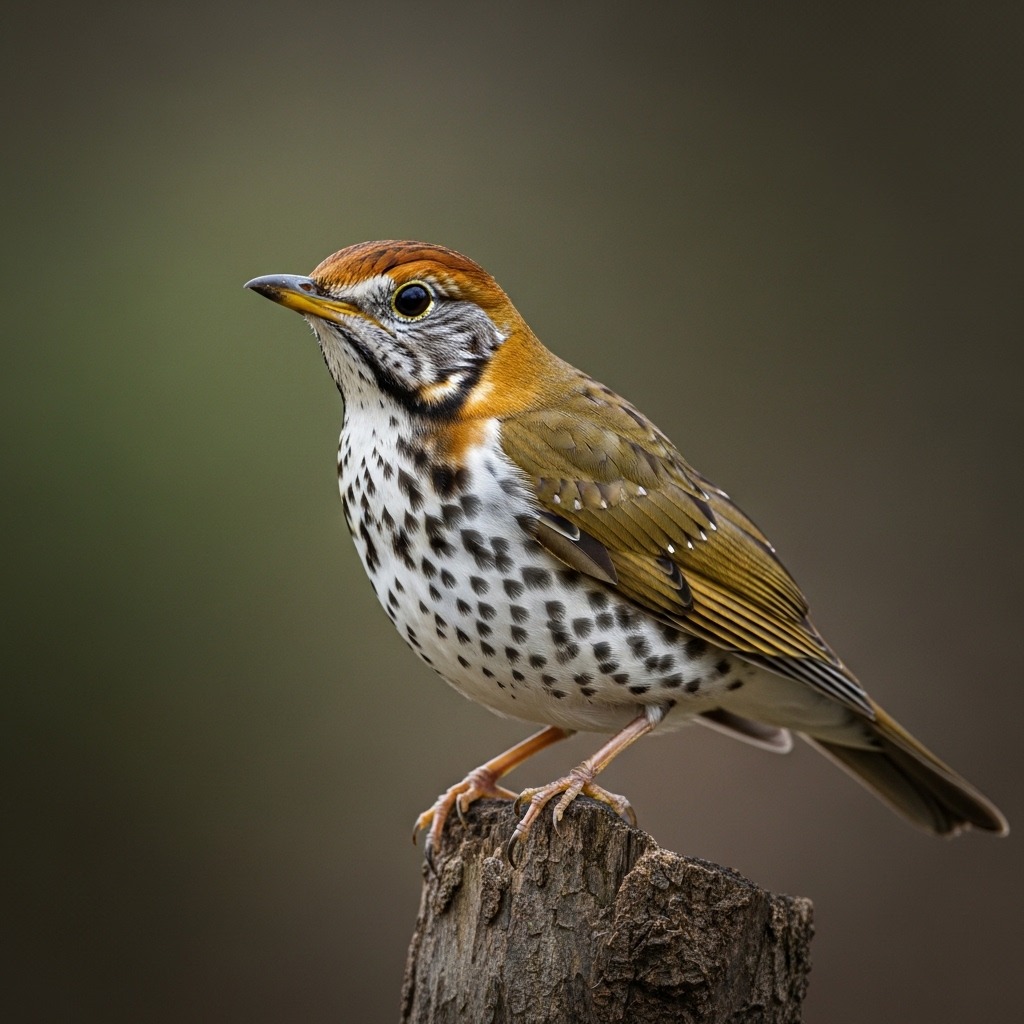
The Wood Thrush is a beautiful songbird, but it faces serious challenges. Understanding these threats is vital for its survival. Let’s dive into the main issues affecting this melodious bird.
Habitat Loss and Fragmentation
One of the biggest threats to the Wood Thrush is habitat loss. As forests are cleared for development and agriculture, their homes shrink. This leads to fragmentation, which makes it harder for them to find mates and raise their young. Here are some key points:
- Area-Sensitive Species: Wood Thrushes prefer larger, uninterrupted habitats. Smaller woodlots do not provide the same safety.
- Nest Predation: Fragmented habitats often have more predators, like raccoons and domestic cats. These predators can significantly impact nesting success.
- Brood Parasitism: The Brown-headed Cowbird lays its eggs in Wood Thrush nests. This reduces the chances of the thrush’s own eggs hatching successfully.
Impact of Climate Change
Climate change is another pressing concern. It affects the Wood Thrush in several ways:
- Changing Weather Patterns: Unpredictable weather can disrupt their migration and breeding cycles.
- Habitat Degradation: Warmer temperatures can alter the forests they rely on, making them less suitable for nesting and feeding.
- Food Availability: Changes in climate can also impact the insects and berries they eat, further stressing their populations.
Conservation Efforts and How to Help
Many organizations are working to protect the Wood Thrush. Here are some effective conservation strategies:
- Habitat Restoration: Efforts focus on restoring and connecting fragmented habitats. This helps ensure Wood Thrushes can thrive.
- Conservation Easements: Landowners can participate in programs that protect critical habitats from development.
- Public Awareness: Educating communities about the Wood Thrush can lead to local conservation actions.
You can also do your part! Here are some simple steps:
- Support Local Conservation Groups: Join or donate to organizations focused on bird conservation.
- Create Bird-Friendly Spaces: Plant native shrubs and trees in your yard to provide food and shelter.
- Reduce Outdoor Cat Populations: Keep cats indoors to protect vulnerable bird species.
By understanding these threats and taking action, we can ensure that the Wood Thrush continues to fill our forests with its beautiful song.
Cultural Significance of the Wood Thrush’s Song
The Wood Thrush’s song is more than just a melody. It’s a symbol of beauty and nature’s harmony. People have long appreciated this songbird for its enchanting tunes and the messages they carry.
The Aesthetic Appeal of the Song
The Wood Thrush sings a flute-like series of notes. Its sound is clear and soothing. Many find it mesmerizing. The song is often heard at dawn and dusk, adding a serene backdrop to the forest. This beautiful sound can evoke feelings of peace and connection to nature.
Metaphorical Interpretations
Culturally, the Wood Thrush’s song represents hope and renewal. In various traditions, its call signifies the arrival of spring. It’s a reminder of nature’s cycles and the beauty of rebirth.
The Song in Literature and Folklore
Writers and poets have celebrated the Wood Thrush’s song in their works. For instance, in poetry, the bird often symbolizes freedom and the joys of life. Here’s a quote that captures its essence: “The song of the Wood Thrush rings through the woods, a melody echoing the heart’s desire for freedom.”
This connection to literature and folklore shows how deeply the Wood Thrush is woven into our cultural fabric. Its song inspires creativity and reflects our relationship with the natural world.
Summary of Cultural Significance
- Aesthetic Appeal: Flute-like, soothing, often heard at dawn and dusk.
- Metaphorical Meaning: Signifies hope, renewal, and the beauty of nature’s cycles.
- Literary References: Featured in poetry, symbolizing freedom and life’s joys.
The Wood Thrush’s song continues to resonate with people, reminding us of the importance of conservation. Protecting this songbird ensures that future generations can enjoy its melodies.
Conclusion and Call to Action for Wood Thrush Conservation
The Wood Thrush is not just a beautiful songbird; it’s a vital part of our ecosystem facing serious challenges. Habitat loss and threats from predators are pushing this melodious creature closer to the edge. But there’s hope! You can play a role in its conservation.
How You Can Help
Here are some practical steps you can take to support Wood Thrush populations:
- Preserve Natural Habitats: Support local conservation efforts that focus on protecting mature forests. These areas are crucial for breeding.
- Create Bird-Friendly Spaces: If you have a garden, plant native shrubs and trees. They provide shelter and food for the Wood Thrush.
- Limit Disturbance: Keep noise to a minimum in wooded areas where Wood Thrushes nest. This helps reduce stress on the birds during breeding season.
- Report Sightings: Share your Wood Thrush sightings with local birding groups or conservation organizations. Your observations can aid in research and protection efforts.
- Educate Others: Spread the word about the Wood Thrush and its conservation needs. The more people know, the more support we can build.
Join Conservation Initiatives
Consider participating in local conservation initiatives. Many organizations focus on habitat restoration and monitoring bird populations. You could even volunteer for tree planting events or community clean-ups.
By taking these steps, you can help ensure that the sweet songs of the Wood Thrush continue to echo through our forests for generations to come. Your involvement makes a difference!
Frequently Asked Questions
These quick answers cover the most common questions about this topic, including key details, practical tips, and common concerns.
What is the thrush’s song a metaphor for?
The thrush’s song often symbolizes hope, renewal, and the beauty of nature’s harmony. Its clear, melodious notes evoke feelings of peace and connection to the natural world. In literature and folklore, the song is sometimes seen as a call for freedom or a sign of spring’s arrival, representing new beginnings and life’s cyclical nature.
What is special about a Wood Thrush?
The Wood Thrush is renowned for its enchanting, flute-like song that fills forests with melody. Physically, it has distinctive black spots on a white belly and a white eye-ring, making it recognizable. Its role as a forest indicator species also highlights its importance in maintaining healthy woodland ecosystems.
What does the thrush mean in the Bible?
In biblical symbolism, the thrush, like other songbirds, often represents hope, renewal, and divine inspiration. Its song is seen as a reminder of God’s creation and the promise of new life. While specific references to thrushes are rare, birds generally symbolize spiritual messages and divine presence.
How rare is a song thrush?
The song thrush (a different species from the Wood Thrush) is common in Europe, but in North America, the Wood Thrush is considered vulnerable due to population declines. Its rarity varies by region, but overall, habitat loss has made sightings less frequent in some areas, emphasizing the need for conservation.
How does the Wood Thrush build its nest?
The female typically constructs the nest in dense, deciduous forests, often near the ground or in thick shrubs. She uses leaves, grass, and mud to create a sturdy platform, sometimes with help from the male. The nest is well-hidden to protect eggs and chicks from predators.
Why is the Wood Thrush population declining?
The decline is mainly due to habitat loss from deforestation, urbanization, and forest fragmentation. Climate change and increased predator presence, including brood parasitism by cowbirds, also threaten their survival. These factors reduce breeding success and food availability.
When do Wood Thrushes migrate?
Wood Thrushes migrate in spring from March to April and return in late August to October. They travel from their wintering grounds in Central America to breeding habitats in North American forests. Migration timing is crucial for successful breeding and survival.
What are the main threats to Wood Thrushes?
Key threats include habitat destruction, forest fragmentation, climate change, and predation. Brown-headed Cowbirds lay eggs in their nests, leading to brood parasitism, which decreases the survival rate of their young. These issues contribute to their population decline.
How can I help conserve the Wood Thrush?
You can support conservation by planting native trees and shrubs, preserving forest habitats, and participating in local habitat restoration projects. Educating others about the importance of the Wood Thrush and reducing outdoor cat populations also help protect these birds.