
The woodland caribou, or boreal woodland caribou, is a majestic mammal native to North America’s boreal forests. This subspecies faces significant conservation challenges due to habitat fragmentation and climate change, making understanding its biology and conservation efforts essential.
Table of Contents
Understanding Woodland Caribou: A Unique Subspecies
Woodland caribou are fascinating creatures that thrive in the boreal forests of North America. They have adapted uniquely to their environment, which shapes their physical features, behaviors, and ecological roles.
Physical Characteristics and Adaptations
Woodland caribou are distinct from their cousins. Here are some of their defining traits:
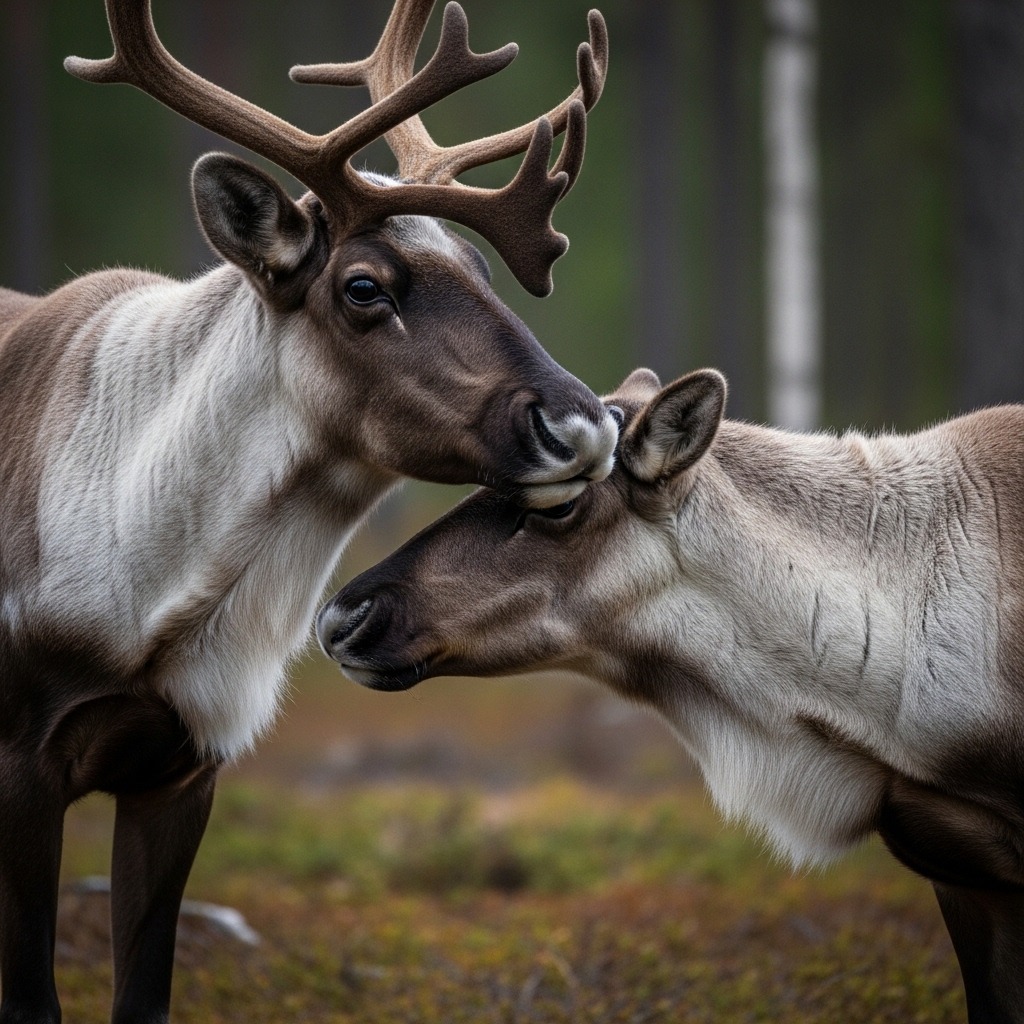
- Coloration: They typically have a darker, more uniform coat compared to barren-ground caribou. This helps them blend into the forest environment.
- Antlers: Males grow large, flat-beamed antlers, which can be impressive in size. Females may have smaller antlers, but not all do.
- Size: They are the third largest ecotype of caribou, with robust bodies designed for maneuvering through dense forests.
These adaptations are crucial for survival. The darker fur provides camouflage against predators, while their sturdy build allows them to traverse rugged terrains.
Behavior and Social Structure
Woodland caribou exhibit unique social behaviors. They often form small groups, which helps them stay safe from predators. Here are key points about their behavior:
- Feeding Habits: They primarily feed on lichens, which are abundant in their forest habitats. Lichens are a vital source of nutrients, especially in winter when other food is scarce.
- Migration Patterns: Unlike some caribou species, woodland caribou do not migrate long distances. They prefer to stay within their forested habitats year-round.
- Reproduction: They typically breed in the fall. Males engage in displays of dominance, which can lead to intense battles for mating rights.
These behaviors not only help them survive but also maintain the delicate balance of the boreal forest ecosystem.
Ecological Role in Boreal Forests
Woodland caribou play a vital role in their ecosystem. Their presence supports various ecological processes:
- Herbivory: By feeding on lichens and other vegetation, they help shape plant communities. This, in turn, influences the habitat available for other species.
- Predator-Prey Dynamics: They are a food source for predators like wolves. Their population dynamics can impact the health of predator populations.
- Nutrient Cycling: Through their feeding and movement patterns, woodland caribou contribute to nutrient cycling in the forest, helping to maintain soil health and plant growth.
Understanding their ecological role highlights the importance of conserving woodland caribou and their boreal habitat. Protecting these majestic mammals ensures the health of the entire ecosystem they inhabit.
Habitat Preferences and Distribution of Woodland Caribou
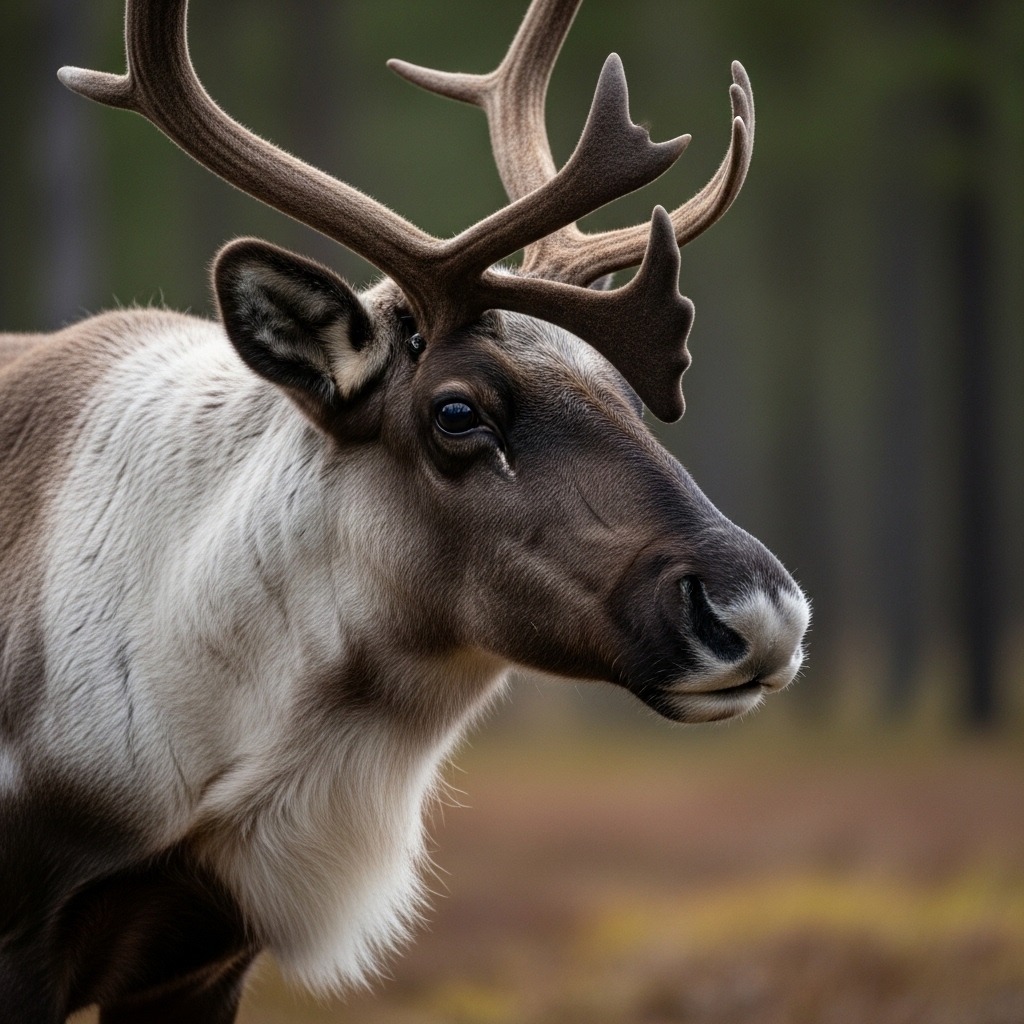
Woodland caribou thrive in boreal forests, but their habitats have shifted dramatically over the years due to human activity and environmental changes. Let’s take a closer look at where these majestic mammals prefer to live and how their distribution has evolved.
Preferred Habitat Types
Woodland caribou prefer specific habitats that meet their needs. Here’s what they look for:
- Boreal Forests: These dense forests provide shelter and food. Caribou primarily feed on lichens, shrubs, and other vegetation found here.
- Wetlands and Peatlands: These areas offer additional food sources and help maintain moisture in the environment, which is crucial for their survival.
- Open Areas for Calving: Female caribou seek out open spaces away from predators to give birth to their calves, ensuring better survival rates.
Historical Range vs. Current Distribution
Historically, woodland caribou roamed vast areas of North America. Today, their range has shrunk significantly.
- Historical Range: Once widespread across Canada and parts of the northern United States, they occupied large portions of the boreal forest.
- Current Distribution: Habitat loss and fragmentation have confined them to smaller, isolated areas.
Here’s a quick comparison:
| Aspect | Historical Range | Current Distribution |
|---|---|---|
| Area Covered | Vast, continuous habitats | Fragmented, isolated patches |
| Population Size | Large, stable populations | Declining numbers |
| Migration Patterns | Regular seasonal movements | Limited movement |
Impact of Habitat Fragmentation
Habitat fragmentation poses a serious threat to woodland caribou. Here’s how:
- Isolated Populations: As forests are cut down or developed, caribou populations become separated. This isolation reduces genetic diversity and increases vulnerability.
- Increased Predation: Fragmented habitats can lead to more encounters with predators, as caribou can’t escape easily.
- Limited Resources: With fewer areas to roam, caribou face food shortages, especially in harsh winters.
The pressure from human activities—like logging, mining, and urban development—continues to challenge woodland caribou survival. Understanding their habitat needs is vital for conservation efforts. By protecting these environments, we can help ensure the future of these incredible mammals.
Conservation Challenges Facing Woodland Caribou
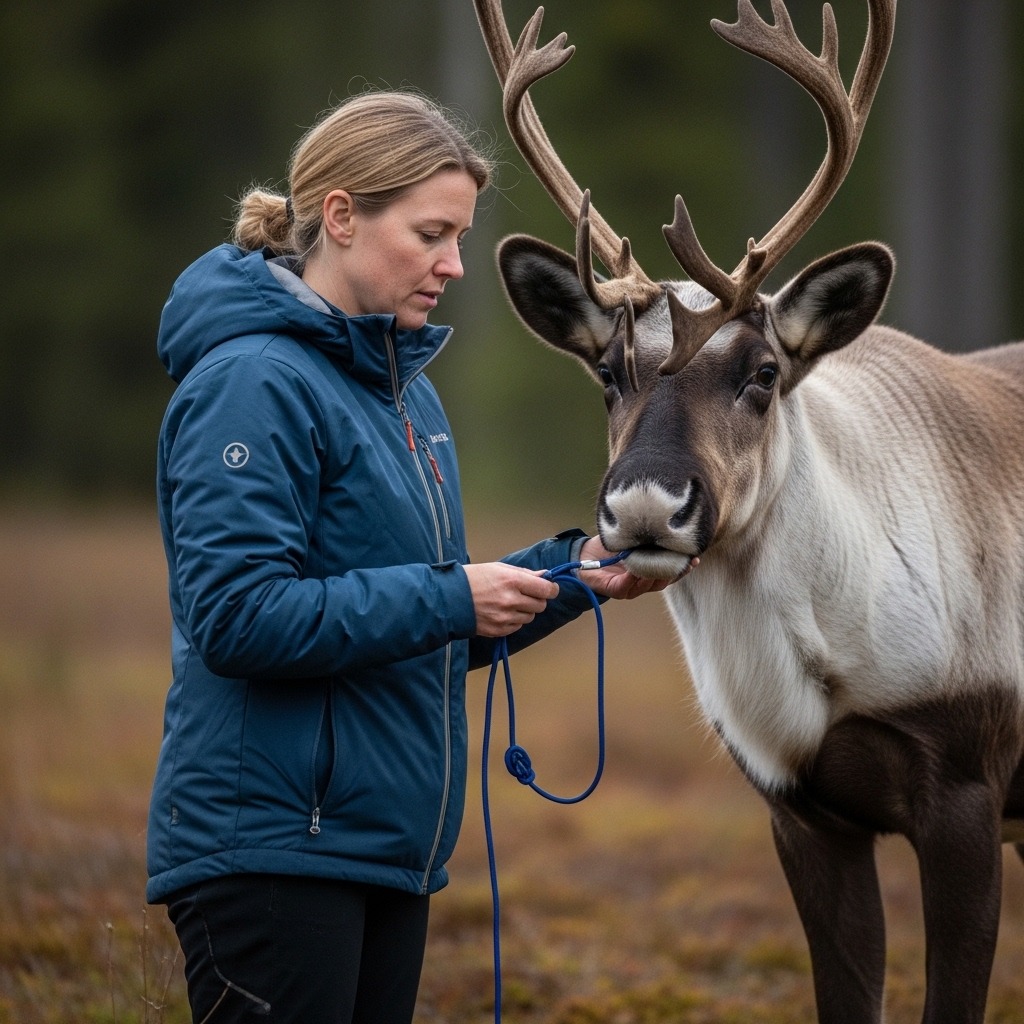
Woodland caribou face a range of threats that jeopardize their survival. Understanding these challenges is crucial for effective conservation efforts.
Major Threats to Survival
Several key issues threaten woodland caribou populations:
- Industrial Development: Logging, mining, and urban expansion fragment their habitat. This isolation makes it harder for caribou to find food and mates.
- Habitat Loss: Deforestation leads to fewer suitable habitats. Without dense forests, caribou struggle to thrive.
- Increased Predation: Fragmented landscapes can lead to higher predation rates. Caribou become more vulnerable as they can’t escape easily.
Climate Change Impacts
Climate change is a game-changer for woodland caribou. Here’s how it affects them:
- Food Scarcity: Warmer temperatures can alter the availability of lichens, their primary food source. This can lead to malnutrition and starvation.
- Altered Migration Patterns: As snow melts earlier, caribou might struggle to find suitable grazing areas. This disruption can affect breeding and calf survival rates.
The Role of Predation
Predation is another significant concern. As habitats become fragmented:
- Higher Predator Encounters: With fewer escape routes, caribou face increased threats from wolves and bears.
- Population Decline: A rise in predation can lead to sharp declines in caribou populations. For instance, in areas with significant industrial activity, local caribou herds have seen alarming declines due to increased predator access.
Addressing these challenges requires concerted efforts and community involvement. Every action counts in ensuring the survival of these majestic mammals.
Conservation Strategies for Woodland Caribou
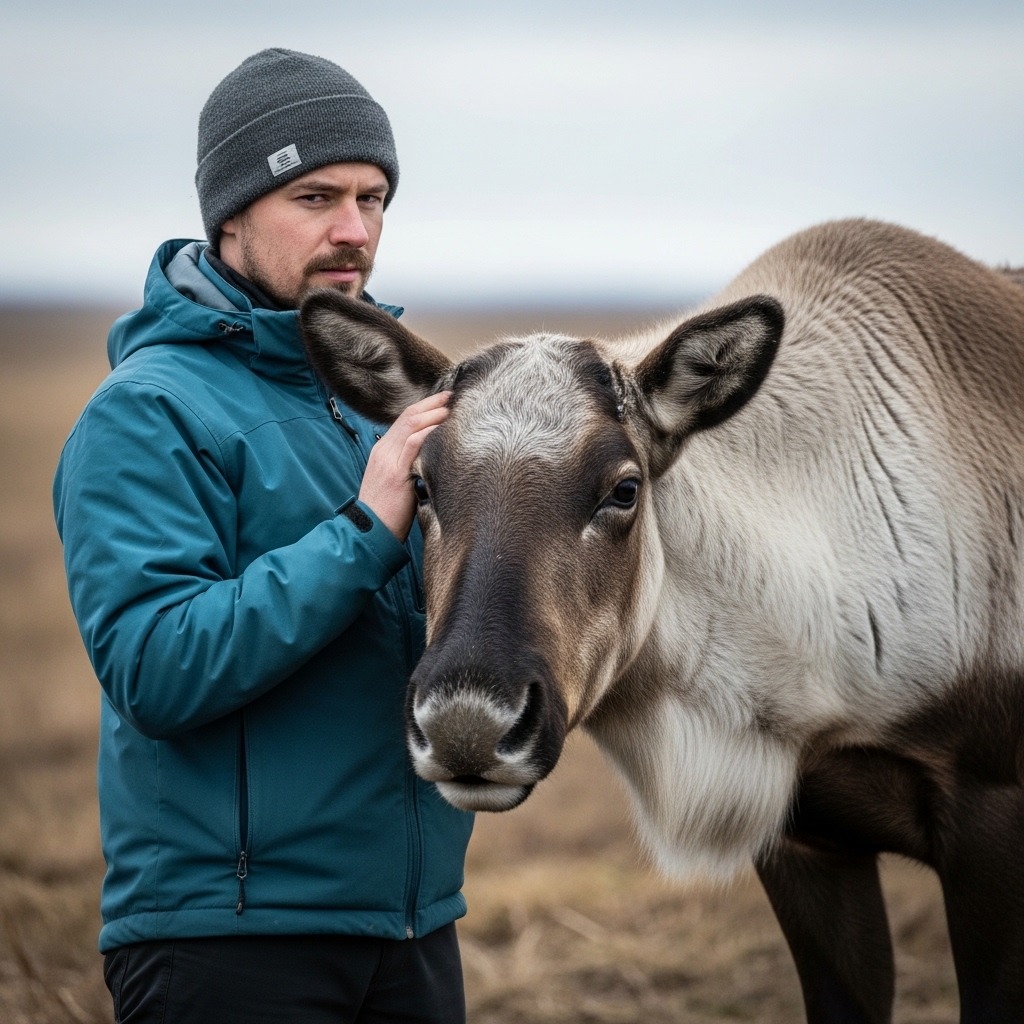
Woodland caribou face serious challenges, but various conservation efforts are underway to protect these majestic mammals and their habitats. From legislation to community actions, every effort counts.
Current Conservation Initiatives
Several initiatives aim to conserve woodland caribou populations. These include:
- Protected Areas: Establishing reserves helps safeguard habitats from industrial activities.
- Habitat Restoration: Efforts to restore degraded habitats are crucial. This includes replanting native vegetation and managing landscapes.
- Research Programs: Ongoing studies monitor caribou populations and health, providing valuable data for conservation strategies.
Role of Legislation and Policy
Legislation plays a key role in caribou conservation. Important policies include:
- Endangered Species Act: This act helps protect threatened caribou populations by restricting harmful activities in their habitats.
- Land Use Planning: Policies that consider caribou migration patterns help minimize habitat disruption.
- Collaboration: Governments are working together across borders to create comprehensive recovery plans.
Community and Individual Actions
Communities and individuals can make a big difference. Here are some actions you can take:
- Participate in Local Initiatives: Join or support local conservation groups focused on woodland caribou.
- Advocate for Policy Change: Engage in advocacy to support protective legislation.
- Educate Others: Share knowledge about woodland caribou and their conservation needs.
- Reduce Carbon Footprint: Since climate change impacts caribou habitats, every small effort to reduce emissions helps.
Example of Community Involvement: In British Columbia, local Indigenous groups have partnered with conservation organizations to monitor caribou populations and restore habitats. Their traditional knowledge is invaluable for effective conservation strategies.
By taking these steps, we can all contribute to the survival of woodland caribou and ensure their majestic presence in our forests for generations to come.
Comparative Analysis: Woodland Caribou vs Other Caribou Subspecies
Woodland caribou are fascinating creatures, but they’re not the only players in the caribou game. Let’s explore how they differ from other subspecies, particularly barren-ground caribou and mountain caribou.
Key Differences with Barren-Ground Caribou
When comparing woodland caribou to barren-ground caribou, several key differences stand out:
- Habitat: Woodland caribou thrive in dense boreal forests, while barren-ground caribou prefer open tundra areas. This difference shapes their lifestyle and survival strategies.
- Migration Patterns: Barren-ground caribou are known for their long migrations, traveling great distances to calving grounds. In contrast, woodland caribou are more sedentary, often staying in the same area year-round.
- Diet: Woodland caribou primarily feast on lichens, which are abundant in their forest habitats. Barren-ground caribou enjoy a broader diet that includes grasses, leaves, and shrubs found in the tundra.
Unique Adaptations of Mountain Caribou
Mountain caribou, another subspecies, exhibit unique traits that help them survive in their rugged habitat:
- Physical Adaptations: Mountain caribou are typically larger and have longer legs than woodland caribou. This helps them navigate steep terrains.
- Behavioral Traits: They often utilize high-elevation habitats, which provide safety from predators. This behavior contrasts with woodland caribou, who rely more on forest cover.
- Calving Habits: Mountain caribou tend to calve later in the year than woodland caribou. This timing aligns with the growth of vegetation, ensuring ample food for nursing mothers.
Conservation Status of Different Subspecies
The conservation status of these caribou subspecies highlights their challenges:
- Woodland Caribou: Classified as Threatened, woodland caribou populations are declining due to habitat fragmentation and industrial development. Only about 30% of their populations are self-sustaining.
- Barren-Ground Caribou: While still numerous, some barren-ground herds face significant threats from climate change and hunting pressures. Their migratory nature makes them vulnerable to changes in habitat.
- Mountain Caribou: This subspecies is also at risk, with decreasing numbers due to habitat loss and predation. Their specialized habitat requirements make conservation efforts critical.
Comparison Takeaway
Understanding these differences is crucial for conservation strategies. Each subspecies requires tailored approaches to thrive. Community involvement, habitat protection, and monitoring are essential for their survival. By recognizing the unique needs of woodland caribou and their relatives, we can work towards preserving these majestic mammals.
Frequently Asked Questions
These quick answers cover the most common questions about this topic, including key details, practical tips, and common concerns.
What US states have caribou?
Caribou are primarily found in northern states of the US, including Alaska, Montana, Idaho, and parts of Washington. These areas provide suitable boreal or mountain habitats for different caribou subspecies. However, their populations are often small and fragmented due to habitat loss.
Do reindeer have six stomachs?
Yes, reindeer, which are a domesticated form of caribou, have four stomach chambers like other ruminants. The misconception about six stomachs is common, but they actually have four, which helps them digest tough plant materials like lichens and mosses.
What is the difference between mountain caribou and woodland caribou?
Mountain caribou inhabit high-altitude, rugged terrains and are generally larger with longer legs for navigating steep slopes. They tend to calve later in the year and prefer alpine environments. Woodland caribou, on the other hand, live mainly in forests, are more sedentary, and feed primarily on lichens in dense boreal forests.
What is the conservation status of caribou?
Many caribou subspecies, including woodland caribou, are listed as threatened or endangered due to habitat fragmentation, climate change, and predation. Their populations have declined significantly over the past century, and conservation efforts are ongoing to protect and recover their numbers.
How do woodland caribou adapt to their environment?
Woodland caribou have dark, camouflaging coats that blend into forests. They feed mainly on lichens, which they find on tree trunks and the forest floor. Their sturdy bodies and specialized hooves help them move through snow and dense vegetation efficiently.
Why are habitat conservation efforts important for woodland caribou?
Habitat conservation is vital because habitat loss and fragmentation are the biggest threats to their survival. Protecting large, connected forest areas allows them to find food, breed, and migrate safely, reducing predation risks and ensuring population stability.
When do woodland caribou migrate?
Most woodland caribou do not undertake long-distance migrations like other subspecies. Instead, they tend to stay within their forested habitats year-round, with some seasonal movements for calving and feeding, especially in response to snow cover and food availability.
What problems arise from habitat fragmentation?
Habitat fragmentation isolates caribou populations, making it harder for them to find mates and food. It also increases their vulnerability to predators like wolves. Fragmentation from logging, mining, and urban development disrupts natural migration and calving areas, threatening their survival.